


Auto start stop fits diesel engines poorly. Manufacturers claim 3 to 10% better fuel economy in city driving, and sometimes quote more for diesels. Independent testing shows 5% at best in the real world, and often less. Meanwhile the same system adds battery, starter and oil pressure strain that diesel engines feel more than gasoline ones.
The Main Claims About Start Stop on Diesels
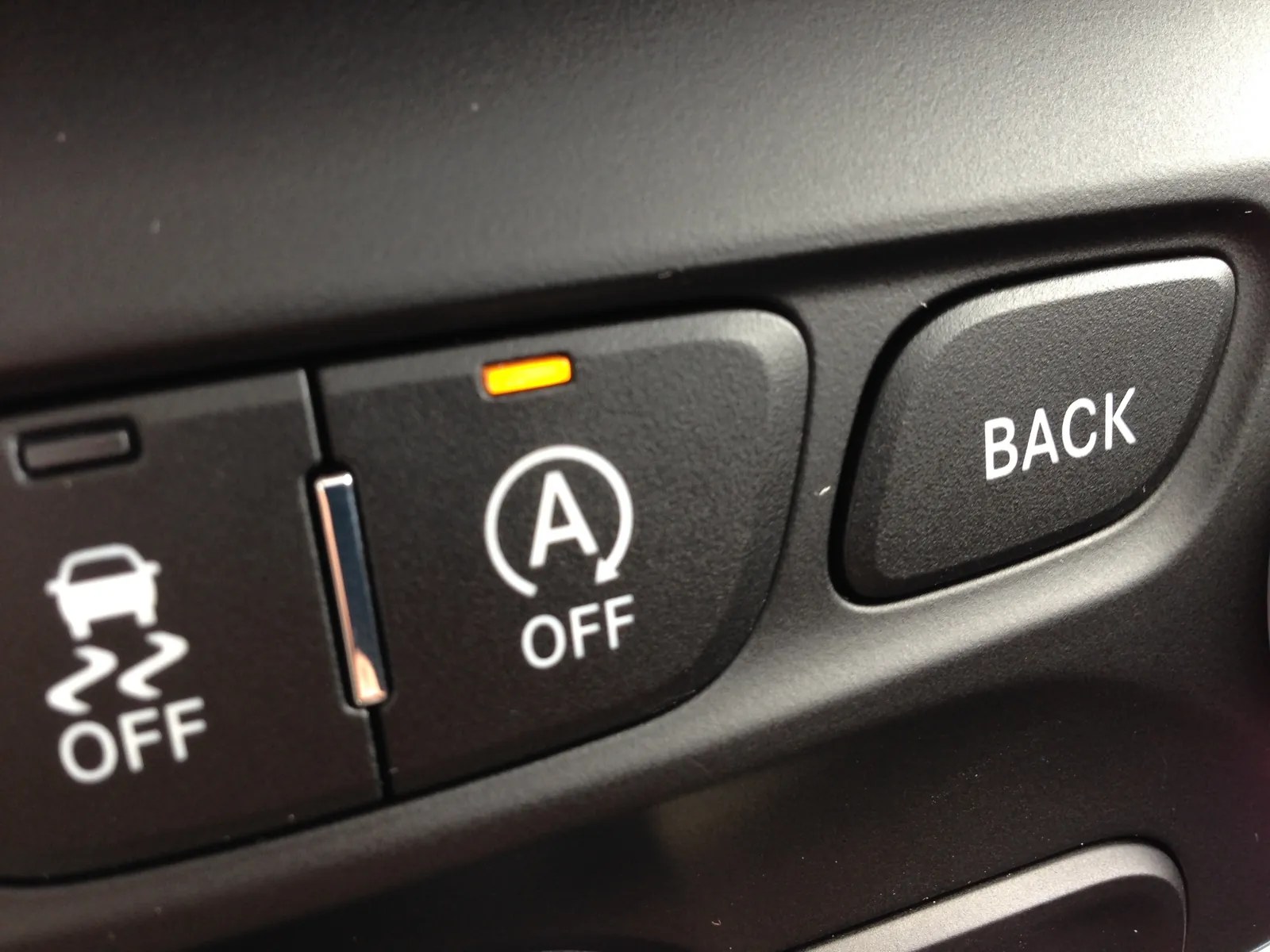
| Claim | Support offered | How firmly it was said |
|---|---|---|
| Real fuel savings are far smaller than advertised | Independent testing showing 5% at best; diesel idle use of 0.2 to 0.4 gallons per hour | Flat |
| Start stop shortens battery life and raises battery cost | Diesel needs 800 to 1,200 cold cranking amps; AGM batteries cost 40 to 100% more; replacement drops to 3 to 5 years | Flat |
| Start stop wears out starter motors faster | Standard starters rated for 30,000 to 50,000 cycles; owners reporting starter problems at 60,000 to 80,000 miles | Flat |
| Oil pressure drops during every restart and harms turbo and fuel pump parts | The presenter’s own explanation of how the system works | Hedged — described as likely, not proven |
| The feature exists mainly for regulations and ratings | Regulatory pressure, EPA ratings, dealer service revenue | Flat |
| Modern systems have improved but the core problem stays | Battery management, redesigned starters, pre-lubrication systems | Hedged |
Do the Fuel Savings Live Up to the Marketing?
Manufacturer numbers come from tests that don’t look like your commute. Change any one and the saving shrinks.
For a diesel, there’s a second problem. Then you pay fuel back on the restart, and a cold engine or tough conditions make that restart drink more. The presenter’s conclusion is blunt: the net saving can be negligible, or even negative.
That’s the part the marketing leaves out. A 3 to 10% claim sounds like money in your pocket. But it’s a laboratory figure, and the diesel idle figure is so low that there’s very little left to cut.
The presenter doesn’t say the savings are fake. The question is whether a small saving is worth what the rest of the system does to your car — and that’s where the next claims come in.
Why Start Stop Is Harder on Diesel Batteries
A diesel needs more current to crank than a gasoline engine. An equivalent gasoline engine needs 400 to 600 amps.
Manufacturers fit enhanced AGM batteries to cope. Across the life of the vehicle, that adds up to roughly $500 to $1,000 extra in batteries alone.
There’s an irony the presenter points out. Even with a better battery, the system often shuts itself down when voltage drops below a set threshold. That happens a lot in cold weather, or as the battery ages. So the feature quits right when you’d want the savings most.
The people who feel this most are diesel owners in stop-and-go traffic and cold climates. If your driving is mostly steady highway running, the system barely activates, and the battery strain is much smaller. The claim applies to the pattern of use, not to every diesel on the road.
The Starter Motor Takes the Extra Starts
A starter motor is built for a certain number of starts in its life.
The real-world signal is what owners report. Many diesel owners describe starter problems showing up somewhere between 60,000 and 80,000 miles on vehicles with active start stop. That’s the number to keep in mind if you own one, because it’s well inside the life you’d expect from a starter that isn’t being cycled all day.
Who does this affect? Again, it’s about how often the system fires. A driver doing long highway runs might see a handful of extra starts a day. A driver in dense city traffic sits at the other end of the range. The presenter’s point is that the wear is baked into the design, not into one bad batch of parts.
The Oil Pressure Problem Diesels Can’t Ignore
This is the issue the presenter calls the one that makes start stop particularly bad for a diesel, and the one rarely mentioned in manufacturer literature.
The presenter hedges here. The cumulative effect of thousands of oil pressure interruptions, in their words, likely contributes to faster wear of these components. That’s a hedged claim, not a proven one. What is offered is the mechanism: pressure drops, parts spin without oil, and it happens over and over.
This is also the reason the presenter says many diesel owners eventually switch the feature off for good. When a repair means a turbo or a high-pressure fuel pump, the small fuel saving stops looking like a saving. Owners who do mostly short trips and stop-and-go driving sit in the worst spot, because their engines may never fully warm up between restarts.
Cold Weather, DPF Trouble and Electronic Failures
The presenter lists reliability problems that show up in daily use, and diesel engines get the worst of them.
DPF-equipped diesels have an extra problem. A diesel particulate filter burns off soot during regeneration, and start stop can interrupt that cycle. The presenter says interrupted regeneration leads to incomplete soot burning and premature filter clogging, and that many owners report more DPF problems on vehicles with active start stop.
Then there’s electronics. Sensors watch engine temperature, battery condition, brake vacuum and dozens of other parameters. Any one of them can fail, and the whole system can malfunction or shut itself down. Because start stop is tied into engine management, transmission control and body electronics, the presenter says diagnosis and repair can be substantial. The system that saves a little fuel can also create a fault that’s hard to trace.
Why Manufacturers Keep Fitting It Anyway
The presenter gives a business explanation for a feature with questionable diesel benefits, and it comes down to four things.
Regulatory pressure is the main driver. Fuel economy and emission standards keep tightening around the world, and manufacturers need every fraction of improvement to meet them. Start stop delivers a measurable gain under laboratory test conditions, even when real-world benefit is small. That’s enough to count.
The second is ratings. The technology lets manufacturers advertise a better EPA fuel economy rating. The presenter says that rating influences what consumers buy and what government fleet requirements demand. So the number on the window sticker does commercial work, whatever the driver actually experiences.
The third is service revenue. Start stop creates more frequent battery replacement, more starter repairs and more system diagnostics. The presenter states plainly that dealers can benefit from the extra maintenance and the component failures. It’s not a conspiracy theory in the telling — it’s just a revenue stream that the feature creates.
The fourth is perception. Start stop makes a car seem more advanced and more environmentally conscious. The presenter says that appeals to buyers who want to feel they’re making a responsible choice. That’s a marketing benefit, separate from any fuel actually saved.
The presenter also notes that repair shops profit from these problems and rarely discuss them up front. That’s the framing for the whole video: the costs are real, they’re known in the trade, and they aren’t part of the sales conversation.
What Has Actually Improved
The presenter is fair to the technology here. Start stop has improved a lot over the past decade, and modern systems address some of the earlier problems.
Battery management is better. Systems now monitor voltage, temperature and charge state more accurately, and they disable start stop when conditions aren’t right. That cuts the risk of a failed restart and extends battery life compared with early systems.
Starters have been redesigned for this duty, with better heat dissipation, stronger solenoids and more durable brushes. They’re still more expensive, but the presenter says they’re more reliable than the early start stop starters.
Engine management integration has improved too. The system now coordinates better with what the engine is doing, and it takes factors like DPF regeneration status and turbo cool-down requirements into account. That directly addresses two of the problems raised earlier.
Some manufacturers have added pre-lubrication systems that hold oil pressure briefly after shutdown. That targets the oil pressure concern, which the presenter called one of the major worries for diesel applications.
Yet the presenter’s conclusion stays the same. These gains arrive with substantial expense and intricacy, and the core problems of start stop on diesel engines persist. Superior components ease the issue. They don’t eliminate it, and they don’t alter the cost-benefit calculation for the majority of diesel owners.
What the Video Leaves Open
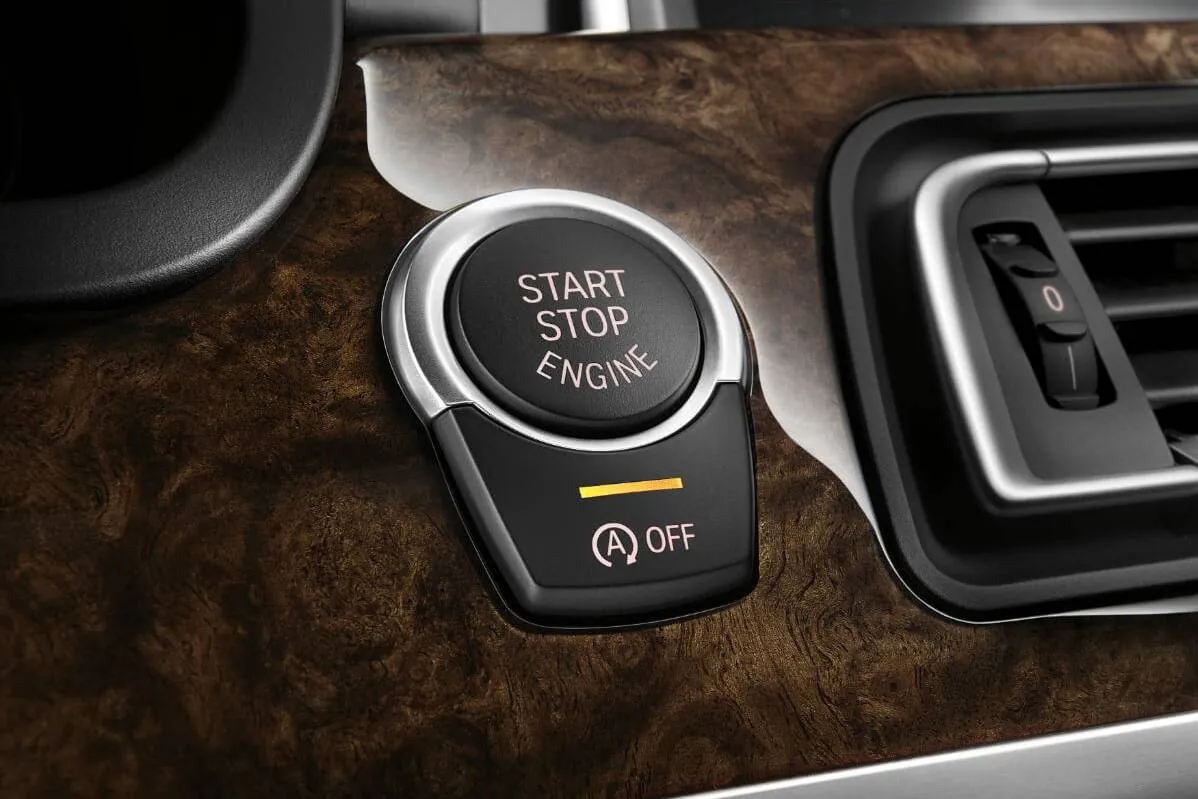
The video makes a strong case, but it leaves gaps a reader would want filled before acting.
- The presenter says the cumulative oil pressure effect “likely” contributes to wear, and offers no measurement or test result. The video doesn’t say how much wear, or how you’d know it’s happening to your engine.
- No specific diesel engine, brand or model year is named anywhere. The claims are made about diesel engines with start stop in general, so you can’t tell from the video whether your own vehicle is one of the affected designs.
- The presenter says many diesel owners disable the feature permanently, but doesn’t say how it’s done, whether it’s reversible, or what it does to the car’s electronics or warranty.
- The video doesn’t say how long any of this takes to show up, or how much a starter, turbo or high-pressure fuel pump repair costs. It gives battery cost only.
- There’s no guidance on what to have ready before you act, no effort estimate, and no advice on what to do if a restart fails or the system faults.
- The video doesn’t say who should keep the feature. It describes city and short-trip drivers as the worst case, but never states plainly which drivers should leave it alone.
Frequently Asked Questions
Does auto start stop really save fuel on a diesel?
Yes, but far less than the marketing suggests. Manufacturers claim 3 to 10% better fuel economy in city driving, and sometimes quote more for diesels because of how efficient they’re at idle. Independent testing quoted in the video puts real-world improvement at 5% at best, and often less. The reason is that a diesel already uses very little fuel at idle — roughly 0.2 to 0.4 gallons per hour. At a traffic light lasting 30 to 90 seconds, the fuel saved per stop comes to fractions of an ounce, and the restart uses some of it back. In cold conditions or with a cold engine, the presenter says the net saving can be negligible or even negative.
Why does the system turn itself off so often?
Because it’s designed to protect itself, and the conditions that switch it off are common. The presenter says start stop disables itself when battery voltage drops below set thresholds, which happens frequently in cold weather or as the battery ages. It also shuts down on hot days when the air conditioning is running, and on cold days when you need heat. Many systems disable entirely below certain temperatures. Diesel engines that haven’t reached full operating temperature are another trigger. The result is that the feature is often absent exactly when idling would burn the most fuel, which undercuts the whole point of having it.
How much more does a start stop battery cost?
Rather than one number, the presenter offers a span. Upgraded AGM batteries, which automakers install to cope with the added load, generally run 40 to 100% pricier than ordinary batteries. They also wear out faster when used with start stop. Replacement windows shrink from 5 to 7 years to 3 to 5 years. Across the vehicle’s lifespan, the presenter calculates that amounts to an additional $500 to $1,000 for batteries by itself. The stronger battery is needed in a diesel because of cranking demand: 800 to 1,200 cold cranking amps, versus 400 to 600 for a comparable gasoline engine.
Can start stop damage a diesel turbo?
The presenter frames this as a likely contributor to wear rather than a proven cause. When a diesel shuts off, oil pressure drops to almost zero almost immediately. Turbochargers keep spinning for several seconds after shutdown, and that’s when oil flow stops. Every restart repeats a short window without oil pressure, and in heavy traffic that happens dozens of times a day. Repeated cycles also don’t allow time for a proper turbo cool-down. The presenter notes that some manufacturers have added pre-lubrication systems that hold oil pressure briefly after shutdown, which addresses this concern directly.
Do modern start stop systems still have these problems?
They’re better, but the presenter says the core issue remains. Battery management now monitors voltage, temperature and charge state more accurately and disables the system when conditions aren’t right. Starters have been redesigned with better heat dissipation, stronger solenoids and more durable brushes, and they’re more reliable than early versions even though they cost more. Engine management now coordinates with factors like DPF regeneration status and turbo cool-down. But the presenter’s conclusion is that these improvements come at significant cost and complexity, and the fundamental problems with start stop on diesel engines haven’t gone away. Better parts soften the strain — they don’t remove the cost-benefit question for diesel owners.
Who is start stop worst for?
The presenter points at diesel owners who drive in traffic rather than on open roads. Systems can trigger 10 to 20 extra starts a day in heavy traffic, which is where the battery and starter strain concentrates. Short trips and stop-and-go driving are the other bad case, because the engine may never reach full operating temperature, leading to rough restarts and longer cranking. Cold climates add to it, since the system often disables itself there. DPF-equipped diesels face interrupted regeneration and premature filter clogging. If your driving is mostly steady highway running, the system barely activates, and most of these problems shrink accordingly.
The first thing you can do is look at your own driving pattern, because that decides how much this affects you. If most of your miles are open road, the system rarely fires and the strain stays small. If you sit in heavy traffic, make short trips, or drive in a cold climate, you’re in the group the presenter describes as worst off — and that’s the group where the small fuel saving is least likely to cover the battery, starter and oil pressure costs. From there, the presenter’s own observation is that many diesel owners end up switching the feature off for good. That’s the decision point the video leaves you with, and it starts with knowing which driver you are.
