

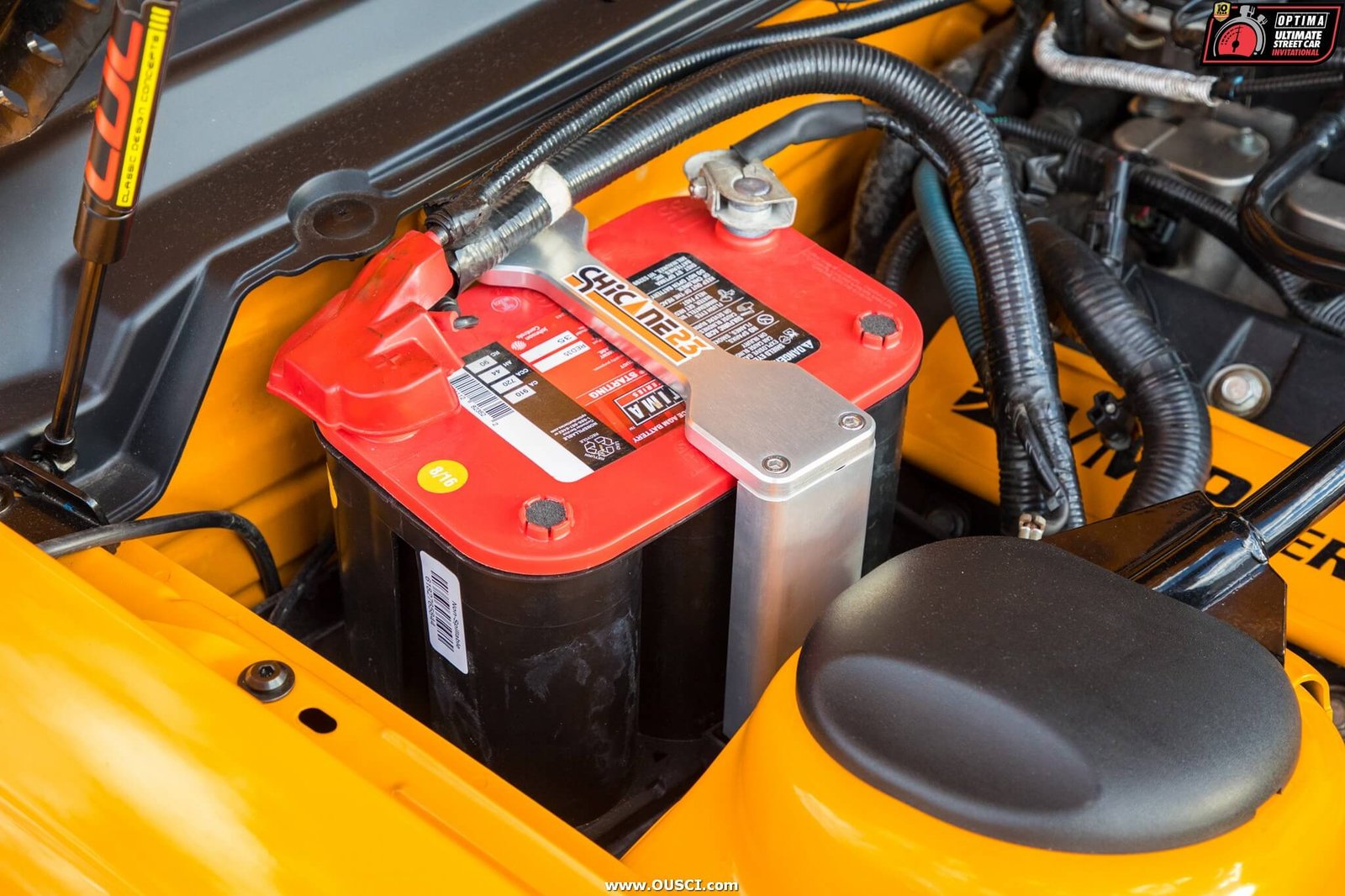
The majority of car batteries give out within three to five years. Yet if you maintain one properly, a well-made battery can keep working dependably for seven, eight, or perhaps even ten years. The presenter in the video stresses that a decade is unusual rather than standard — achieving it requires ideal circumstances and consistent care. The financial stakes are real as well: swapping a battery every three years at $150 to $250 a pop mounts up quickly, whereas a single premium battery lasting ten years transforms the calculation entirely. Seven particular maintenance actions account for that difference, and virtually no one performs them.
What to Have Ready Before You Touch the Battery

- Safety gear first. Wear gloves and safety glasses before you open the hood or touch a terminal.
- The cleaning mix. You’ll need baking soda and warm water — 1 Tbsp of baking soda to 1 cup of warm water.
- A brush and a rinse. Have a brush for scrubbing the terminals and water to rinse them afterward.
- Protection for later. Petroleum jelly or dielectric grease goes on after cleaning, to stop corrosion from coming back.
- A maintainer, not a trickle charger. If your car sits idle, rely on a battery maintainer. Older trickle chargers push a steady current and will overcharge a battery when kept hooked up. Today’s maintainers check voltage on their own. If voltage falls, it charges. Once full, it stops. This guards against charging too little and too much alike.
A maintainer matters because batteries lose 5% of their charge monthly just sitting idle. Once charge drops below 75%, permanent damage occurs. A maintainer holds the battery above that line for months.
Budget for the one item you can’t improvise. A quality maintainer runs $30 to $60. The rest of the list costs almost nothing — baking soda costs pennies.
One more thing to have on hand before you start: a multimeter, if you plan to check the battery yourself. With the engine off, a healthy battery reads 12.4 to 12.7 volts. Below 12.4 means partial discharge. With the engine running, you should see 13.8 to 14.5 volts, which shows the alternator is charging properly.
Why Batteries Fail Early and What to Try First
| What you notice | What it usually means | What to try first |
|---|---|---|
| Battery dies in a hot climate after about 3 years | Heat is the number one killer. Above 90° Fahrenheit, battery fluid evaporates, exposing internal plates and causing permanent damage | Park in shade or a garage whenever possible |
| Battery dies in a cool climate after 3 to 5 years | Normal aging for a standard lead-acid battery | Have it tested once it reaches 3 years old |
| Car sits unused and the battery goes flat | Batteries lose 5% charge monthly sitting idle. Below 75% charge, permanent damage occurs | Connect a battery maintainer and leave it connected |
| Only short trips, battery never seems full | The alternator needs at least 20 to 30 minutes of driving to meaningfully recharge; a full recharge takes closer to 8 hours | Drive at least 30 minutes once a week |
| White, blue, or greenish crusty powder on terminals | Corrosion from hydrogen gas reacting with metal terminals. Even small amounts increase resistance | Clean the terminals at least twice a year |
| Battery keeps dying with nothing left on | Even small parasitic draws of 50 milliamps drain batteries dead in weeks | Have a parasitic draw test done |
The Seven Maintenance Steps in Order
Park in shade or a garage. It’s heat, not cold, that truly harms a battery. Inside the engine bay, temperatures can climb 30 to 40° above the outside air. Keeping things cool is the most powerful single step toward a longer battery life. An insulation blanket for the battery runs $20 to $40 and shields it from severe heat as well as cold.
Avoid short trips. Cranking the engine draws a massive burst of power, and the alternator requires a minimum of 20 to 30 minutes of driving to put a meaningful charge back. If your trips last only 5 to 10 minutes, the battery never gets fully topped up, and that ongoing undercharging leads to sulfation — crystals building up on the battery’s plates. Once a week, drive for at least 30 minutes, and bundle errands into lengthier outings. Highway driving works better since the alternator generates more current at higher RPM.
Use a battery maintainer for cars that sit unused. A maintainer checks voltage on its own: if voltage falls, it charges; once full, it stops. This guards against charging too little and too much alike. Attach the red lead to positive, the black to negative, plug it in, and leave it alone. It will keep the battery going for months. A good unit runs $30 to $60.
Keep the terminals clean. Take off the negative cable first, then the positive. Combine 1 Tbsp of baking soda with 1 cup of warm water, work it on with a brush, and it will bubble and fizz as it neutralizes acid. Scrub until no build-up remains, rinse with water, let it dry fully, then spread on a thin coat of petroleum jelly or dielectric grease. Hook the positive back up first, then the negative. The job takes 15 minutes, and you ought to do it no less than twice a year.
Secure the battery properly. Make sure the hold-down bracket is snug — when you rock the battery, it shouldn’t shift. Too much vibration leads to internal harm, cracked plates, and broken connections. Inspect it every few months and tighten as necessary. It takes 2 minutes and stops early failure.
Test annually once the battery reaches 3 years old. Many auto parts stores do free testing in 2 to 3 minutes, which spots a weakening battery before it strands you. You can also check it yourself at home using a multimeter. With the engine off, a healthy battery reads 12.4 to 12.7 volts; anything under 12.4 means partial discharge. With the engine running, voltage ought to read 13.8 to 14.5 volts, indicating it’s charging correctly.
Buy fresh batteries from high-volume sellers. A battery starts losing capacity the moment it’s made, even while sitting on a shelf, and one that’s been sitting 6 months has already shed capacity. Find the date code stamped on the case: letters stand for months, A is January, B is February, and numbers stand for the year. Only buy batteries made within 3 to 6 months at most, from high-turnover places that sell through inventory fast.
What Shortens Battery Life
Severe electrical drain destroys batteries quickly. Leaving lights on or accessories pulling power is the clear-cut case, but even minor parasitic draws of 50 milliamps can drain a battery flat within weeks. If your battery keeps dying, get a parasitic draw test performed.
Total discharge is the other major culprit. If you allow your battery to go entirely dead, even after a successful jump start, you’ve carved a significant amount off its lifespan. Each deep discharge inflicts lasting harm. Batteries do best when kept between 75% and 100% charge.
And then there’s choosing the wrong battery. Never purchase one with too few cold cranking amps for your vehicle — the CCA rating indicates power output at 0° Fahrenheit, and you should never go below what your vehicle requires. Difficulty starting cuts battery life short.
When to Stop Repairing and Replace
Once your battery reaches 3 years old, testing tells you where you stand. Most auto parts stores test for free in 2 to 3 minutes. At home, a multimeter with the engine off should read 12.4 to 12.7 volts. Below 12.4 means partial discharge. With the engine running, you want 13.8 to 14.5 volts.
If a test shows it’s failing, replacement is the answer — the goal of annual testing is to catch that before the battery leaves you stranded somewhere. A battery that has been completely discharged has permanent damage, and no amount of maintenance undoes it. The same goes for a battery that took significant heat damage or sat discharged for a long stretch.
At that point you’re choosing a replacement, and the smart move is a fresh premium battery from a high-volume seller rather than a basic one that has already been sitting on a shelf. Check the date code stamped on the case: letters are months, A for January, B for February, and numbers are the year. Buy within 3 to 6 months of manufacture.
The math favors premium. A basic battery runs $100 to $150 and lasts 3 to 4 years. A premium AGM costs $200 to $300 and lasts 6 to 8 years or more, which works out cheaper per year.
What the Video Leaves Open
The presenter says 10 years is exceptional rather than typical, and that it requires optimal conditions — cool climate, garaged, well-maintained. What he doesn’t give is any way to predict in advance whether your own car, climate and driving pattern will land in that group.
The video never says how long the whole maintenance routine takes across a year, beyond individual pieces: 15 minutes for the terminal cleaning, 2 minutes for the hold-down check, and the twice-a-year cleaning schedule. The total time commitment for all seven steps together isn’t stated.
For anyone whose battery test comes back bad, the video doesn’t cover what to do next beyond buying fresh from a high-volume seller. It doesn’t walk through the replacement itself, and it doesn’t say how to pick between the basic and premium options beyond the price and lifespan figures it gives.
The video doesn’t say who shouldn’t bother with this approach. It describes the ideal case — cool climate, garaged, well-maintained — but never says whether a driver in a hot climate with no garage should still expect meaningful gains, or how much.
If a parasitic draw test finds a problem, the video stops there. It says to have the test done but doesn’t say what the test involves, what a normal result looks like, or what happens after.
Frequently Asked Questions
Is heat or cold worse for a car battery?
Heat is the number one killer, not cold. In hot climates like Texas, Arizona, or Southern California, batteries typically last 3 years. In cooler northern climates, the same battery can last 5 years or longer. When temperatures exceed 90° Fahrenheit, battery fluid evaporates, exposing internal plates and causing permanent damage. Cold weather makes starting harder, but the damage happened during summer. That’s why parking in shade or a garage is the first maintenance step — your battery can reach temperatures 30 to 40° higher than ambient air under the hood, and keeping it cool is the single most effective way to extend its life.
Can I use a trickle charger instead of a battery maintainer?
No — the presenter is specific about this. Old trickle chargers deliver constant current and will overcharge if left connected. A modern battery maintainer monitors voltage automatically: when voltage drops, it charges, and when full, it shuts off. That prevents both undercharging and overcharging. The connection is simple — red lead to positive, black to negative, plug it in, and walk away. It will maintain the battery for months, which matters because batteries lose 5% charge monthly sitting idle, and permanent damage occurs once charge drops below 75%. A quality maintainer costs $30 to $60.
How often should I clean my battery terminals?
Clean them at least twice a year. That white, blue, or greenish crusty powder is corrosion caused by hydrogen gas reacting with metal terminals. Even small amounts increase resistance, making your alternator work harder and reducing current flow. The procedure takes 15 minutes: disconnect negative first, then positive; mix 1 Tbsp of baking soda with 1 cup of warm water; apply with a brush and let it bubble and fizz as it neutralizes acid; scrub until all build-up is gone; rinse, dry completely, then apply a thin layer of petroleum jelly or dielectric grease. Reconnect positive first, then negative.
Is a premium battery worth the extra money?
Over time, yes. A basic battery costs $100 to $150 and lasts 3 to 4 years. A premium AGM battery costs $200 to $300 but lasts 6 to 8 years or more. The presenter’s point is that the premium battery is actually cheaper per year. Premium AGM or EFB batteries can reach 4 to 7 years even without perfect care, and with the seven steps, a quality battery in a moderate climate can realistically reach 7 to 8 years. Whichever you buy, check the date code stamped on the case and buy one manufactured within 3 to 6 months.
How do I read the date code on a new battery?
Look for the date code stamped on the case. Letters indicate months — A equals January, B equals February, and so on — and numbers indicate the year. Buy batteries manufactured within 3 to 6 months maximum. This matters because batteries degrade from the moment they’re manufactured, even sitting on shelves, and a battery that sat for 6 months has already lost capacity. Buy from high-turnover locations that move inventory quickly, so what you’re buying hasn’t been sitting around. The presenter also warns never to buy a battery with insufficient cold cranking amps for your vehicle.
What voltage should a healthy battery read?
With the engine off, healthy batteries read 12.4 to 12.7 volts. Below 12.4 indicates partial discharge. With the engine running, voltage should read 13.8 to 14.5 volts, which shows proper charging. You can test at home with a multimeter, or most auto parts stores offer free testing in 2 to 3 minutes. Once your battery reaches 3 years old, have it tested annually — this catches failing batteries before they leave you stranded. If your battery keeps dying even when it should be charged, have a parasitic draw test done.
The math here is simple, and it’s the part worth acting on today. Most people ignore batteries completely until they die, replacing four to five of them over 20 years of car ownership. Someone who follows these seven steps might replace just two or three in that same period, with zero surprise breakdowns. You don’t have to do everything at once. Start with the cheapest step that costs nothing: park in shade or a garage whenever you can. Then pick one more — a 30-minute drive once a week, or 15 minutes with baking soda twice a year. That’s the whole decision.
