
Monday to Saturday - 8:00 -17:30

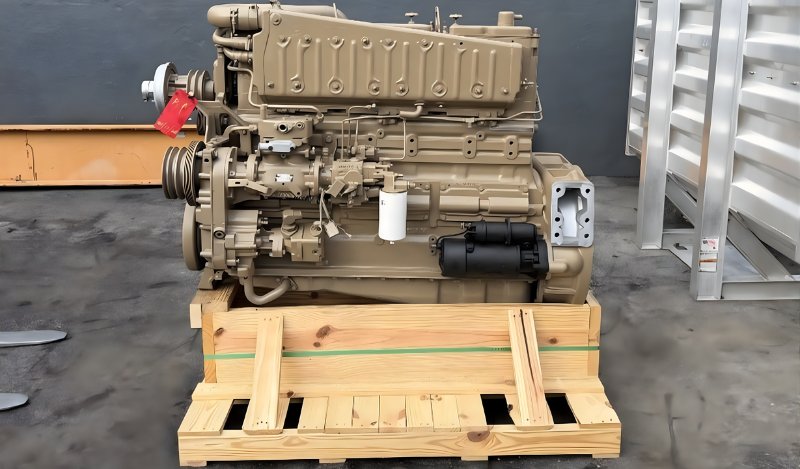
Modern diesel engines remain highly capable and durable machines, but they require a different approach to ownership than the mechanical engines of the past. While older diesels were famous for their simplicity and forgiveness, modern versions rely on complex, precise systems that demand specific maintenance and usage patterns to reach their full potential. The presenter explains that a modern diesel isn’t inherently unreliable, but it’s less forgiving when the owner’s habits don’t align with the vehicle’s technical needs. By understanding the requirements of systems like the diesel particulate filter (DPF) and high-pressure fuel injection, owners can ensure their engines achieve the long, efficient working lives that diesels are known for.
Reliability Factors of Modern Diesel Engines
| Claim | Support | Firmness |
|---|---|---|
| Modern diesels are still extremely durable | The presenter’s observation of engine design | Flat |
| Complexity makes modern diesels less forgiving | The addition of sensors, DPF, and SCR systems | Flat |
| Short trips can hinder DPF regeneration | The presenter’s explanation of regeneration cycles | Flat |
| Correct oil specification protects emissions systems | The presenter’s technical explanation | Flat |
| Fuel contamination damages modern injectors | The presenter’s description of high-pressure systems | Flat |
The Impact of Driving Patterns on DPF Health
The presenter explains that the diesel particulate filter, or DPF, is designed to trap soot, which is later burned off during a process called regeneration. Problems often arise when a vehicle is used primarily for frequent, short journeys, such as five-minute trips to school or the store. Because these trips are short, the engine may not reach the necessary temperature to complete the regeneration cycle.
If the engine is switched off repeatedly during an active regeneration, the process is interrupted. While one interruption isn’t a disaster, the presenter notes that a cycle of frequent short journeys can cause soot to accumulate until the vehicle requires attention. The presenter suggests that owners should learn to recognize when their vehicle is performing a regeneration.
Signs may include a higher idle speed, the cooling fan running more than usual, a temporary increase in fuel consumption, or a different exhaust smell. Additionally, the presenter warns that some vehicles won’t start an active regeneration if the fuel level is very low. To manage this, the presenter advises against the common myth that every diesel owner must drive aggressively. Instead, the goal is to provide the engine with enough uninterrupted time to get properly warm.
Precision in Modern Fuel Systems
Modern common rail fuel systems operate at pressures exceeding 2,000 bar, which allows for incredible precision and efficiency. The presenter notes that these systems can perform multiple injections during a single combustion cycle, contributing to a smoother and quieter driving experience. However, this level of precision means that the system is highly sensitive to contamination.
The presenter emphasizes the importance of the fuel filter, describing it as a critical component that often receives too little attention. Dirt, water, or other debris can cause serious internal wear to high-pressure pumps. If this occurs, metal debris can travel through the fuel system, leading to significant and expensive repairs. Because of this, the presenter advises owners to follow the manufacturer’s service intervals for the fuel filter strictly and to purchase fuel from trusted sources.
Furthermore, the presenter highlights the risk of putting gasoline into a diesel engine. If this mistake occurs, the owner should seek professional advice immediately rather than attempting to dilute the fuel or run the engine, as circulating the wrong fuel can cause extensive damage to the high-pressure components.
The Role of Oil Specifications
On a modern, DPF-equipped diesel, choosing the correct engine oil is about more than just viscosity. The presenter explains that the manufacturer’s specific oil standard is essential for the long-term health of the engine and the emission control system.
Using the wrong oil can lead to the accumulation of ash. Unlike soot, which is burned away during regeneration, ash remains inside the DPF and gradually reduces its effectiveness. The presenter cautions against the assumption that buying the most expensive oil is the best strategy.
Instead, the owner must use the exact oil specification required by the engine manual. By using the correct product, the owner helps protect not only the internal engine bearings but also the expensive emission hardware that keeps the vehicle compliant.
Addressing Emission System Warnings
When a warning light for the DPF appears, some owners are tempted to remove the system entirely or “tune” the software to hide the alert. The presenter warns that this approach treats the symptom rather than the cause.
A blocked DPF is often the final result of an underlying issue, such as an EGR problem, a malfunctioning fuel system, or an engine producing excessive soot. Removing the filter without fixing the root cause is compared to disabling a smoke alarm to stop it from beeping; the noise stops, but the danger remains.
Furthermore, the presenter points out that tampering with emissions equipment may cause issues with vehicle inspections, insurance coverage, or future resale value. Before making any modifications, the presenter recommends diagnosing why the system is struggling.
What the Video Leaves Open

The presenter notes that some aspects of diesel ownership remain uncertain or dependent on specific variables that weren’t covered:
- The video doesn’t provide a specific list of which engine oil brands meet every manufacturer’s specification.
- The presenter doesn’t offer a universal guide for how many miles a DPF should last, as it depends on individual driving habits.
- The video doesn’t explain how to perform a manual regeneration, noting that owners should check their specific vehicle handbook for that procedure.
- The presenter doesn’t discuss the specific legal regulations for emission modifications in every country, leaving that for the owner to verify locally.
Related guides
Frequently Asked Questions
Does every short trip damage a diesel engine?
No, the presenter explains that short journeys don’t instantly damage a diesel engine. The issue arises when a vehicle is used exclusively for very short trips, such as five-minute drives, which prevents the DPF from completing the necessary regeneration cycles. The engine itself remains healthy, but the supporting emission systems struggle to function as intended.
Why is my fuel filter so important?
The fuel filter protects the high-pressure fuel system from dirt, water, and contamination. Modern injectors and pumps operate at very high pressures and require extreme precision to function correctly. If contaminants pass through the filter, they can cause internal wear that leads to expensive, widespread damage throughout the fuel system.
Should I drive my diesel hard to clean the DPF?
The presenter advises against “driving it hard” or revving the engine on the driveway. Instead, the focus should be on providing the vehicle with enough uninterrupted driving time to reach and maintain a proper operating temperature. This allows the engine and the exhaust system to function as designed.
What should I do if I put gasoline in my diesel tank?
If you realize you have used the wrong fuel before starting the engine, don’t gamble on it. The presenter warns against trying to fill the rest of the tank with diesel to dilute the gasoline. Instead, you should seek professional advice before starting the vehicle or circulating any of the contaminated fuel through the high-pressure system.
Does the DPF warning light always mean the filter is broken?
Not necessarily. The presenter explains that a blocked DPF can be a symptom of a different problem, such as an issue with the EGR system, the fuel system, or the conditions under which the car is driven. Simply removing the warning light or the filter doesn’t solve the underlying mechanical cause.
Modern diesels reward owners who take the time to understand their specific vehicle’s needs. You don’t need to be intimidated by the technology, but you should respect the difference between these modern systems and the engines of the past. If you drive mostly on short journeys, pay close attention to your DPF behavior, stick to the exact oil specifications required by the manufacturer, and keep your fuel system maintained. When a warning light appears, treat it as a signal to find the root cause rather than a prompt to ignore or bypass the system. By meeting the engine halfway, you can still enjoy the torque, efficiency, and longevity that have defined the diesel reputation for decades.