


Certain vehicles are engineered to reach 300,000 miles or more, far outlasting typical cars through conservative design and high-quality construction. According to the presenter, these machines prioritize long-term durability over experimental technology, allowing them to remain on the road long after others fail. For instance, the Lexus ES series and the Toyota Camry are noted for exceeding 300,000 miles with only routine care. Similarly, the Honda Civic and specific Mercedes-Benz E-Class generations frequently surpass these high mileage targets. These cars prove that performance and luxury don’t always require frequent, expensive repairs when the engineering is focused on longevity.
Choosing a Long-Lasting Vehicle
If a car is built with conservative engineering and components that operate below their stress threshold, then it’s more likely to reach high mileage. The presenter concludes that the most reliable vehicles are those that avoid complex, untested technology in favor of refined, proven systems. By analyzing maintenance records and reliability data, the walkthrough identifies cars that mechanics rarely see for major repairs.
The presenter emphasizes that these vehicles aren’t just reliable; they’re built with safety margins that exceed standard requirements. Whether it’s the simple, durable engine of a Honda Civic or the overbuilt suspension of a Mercedes-Benz, the common thread is a focus on long-term service life. The presenter notes that these cars represent a balance of refinement and dependable transportation, often requiring only basic upkeep like oil changes and brakes to stay on the road for decades.
Strengths of Highly Reliable Cars
- The Mazda Miata features engines that operate well below their maximum stress threshold, which reduces long-term wear.
- Mercedes-Benz E-Class models from 2007 to 2016 utilize naturally aspirated V6 engines to avoid the complexities of turbochargers.
- Honda Civic generations from 2006 to 2015 use a timing chain that removes a major failure point found in belt-driven engines.
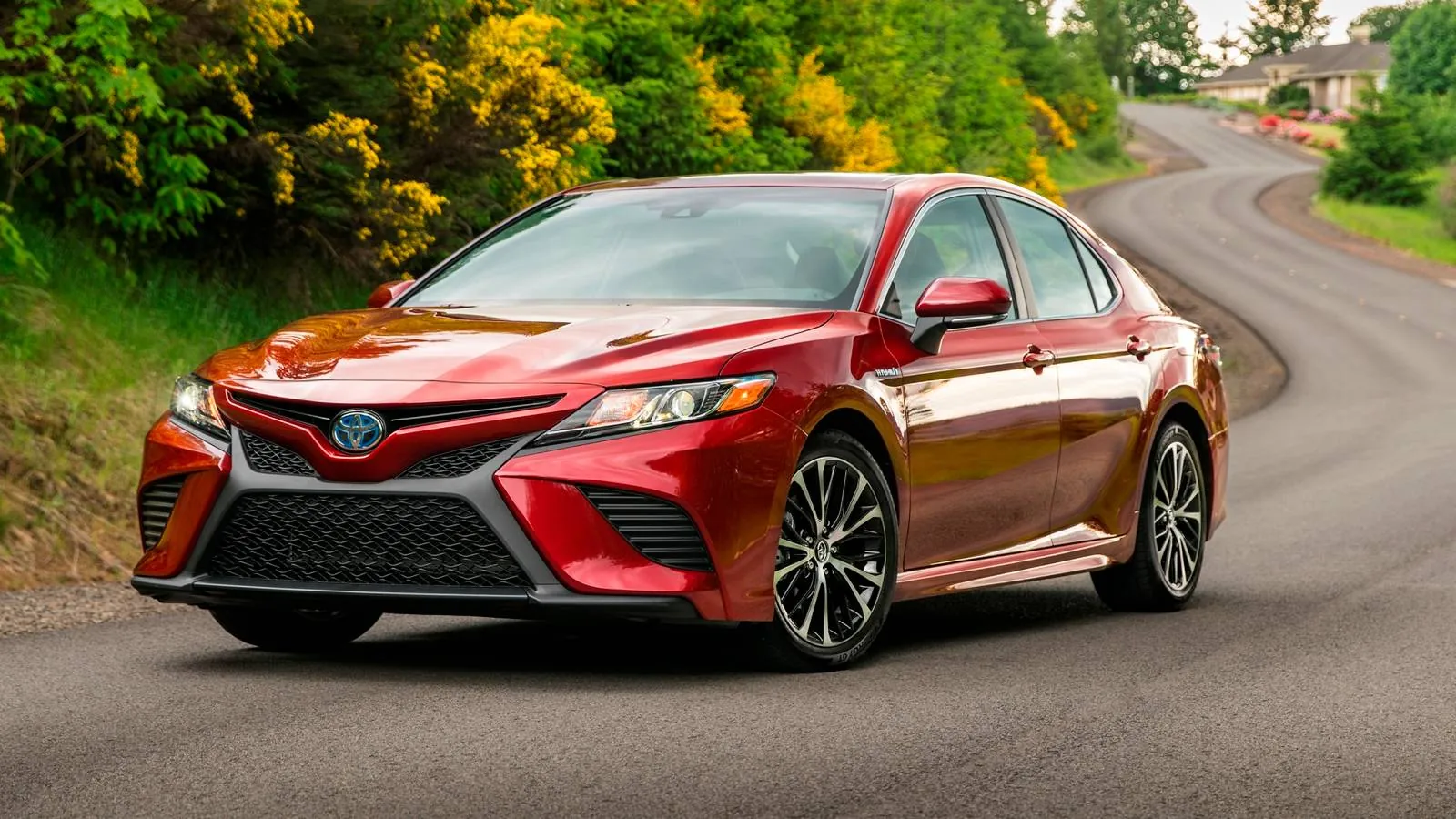
- Toyota Camry models are built with larger safety margins than necessary, making them exceptionally resistant to common mechanical failures.
- The Lexus ES series benefits from rigorous quality control inspections during production that exceed industry standards.
- Many of these vehicles maintain their fuel efficiency and acceleration even after passing the 200,000-mile mark.
Common Weaknesses and Limitations
Some earlier Mercedes-Benz models faced quality control issues before the manufacturer redesigned their electrical systems to improve reliability. Buyers should prioritize W211 models from 2007 to 2009 or the W212 generation to avoid these legacy problems.
Sports cars like the Miata are often assumed to be expensive to maintain, though this specific model defies that stereotype. While many sports cars demand frequent, costly repairs, the Miata’s lightweight design puts less strain on brakes and suspension.
The presenter notes that while these cars are durable, they aren’t immune to the need for routine maintenance like oil changes, brake pads, and tires. Ignoring these basic requirements will compromise even the most overbuilt engine.
Finally, luxury vehicles on the list may have higher initial purchase costs compared to economical options like the Honda Civic. While the Civic democratizes reliable engineering at a quarter of the price, luxury models offer refined materials and additional quality control inspections.
Who Should Consider These Vehicles?
These cars are ideal for drivers who view transportation as a practical tool rather than a constant maintenance project. The presenter suggests the Honda Civic for young buyers or budget-conscious families who need a reliable, affordable machine. For those who prioritize luxury without the typical reliability headaches, the Lexus ES and specific Mercedes-Benz E-Class generations are recommended.
Conversely, anyone seeking the latest experimental technology or cutting-edge, complex features might want to look elsewhere, as these vehicles favor proven, conservative engineering over rapid innovation. The presenter notes that if you want to avoid unexpected repair bills and enjoy a vehicle that lasts for years, these specific models are the top choices.
What the Video Leaves Open
- The video doesn’t provide a specific checklist of pre-purchase inspection steps for a buyer to follow when evaluating a used high-mileage vehicle.
- There’s no information regarding the specific geographic availability of certain diesel engine variants mentioned for the Mercedes-Benz E-Class.
- The presenter doesn’t cover the exact process for verifying the service history of these vehicles, which is often necessary before making a purchase.
- The video doesn’t offer guidance on what a buyer should do if they encounter a specific mechanical failure despite the car’s general reputation for reliability.
- There’s no mention of insurance cost differences between these high-mileage models and newer, less reliable vehicles.
Frequently Asked Questions
Why is the timing chain better than a belt?
The presenter explains that the timing chain eliminates a common failure point found in engine designs that rely on belts. By using a chain, manufacturers remove the need for a major maintenance item that can break and cause significant internal engine damage. This design choice is a key reason why models like the Honda Civic and Toyota Camry are able to exceed 300,000 miles without needing major internal repairs.
Are hybrids reliable at high mileage?
Yes, the presenter highlights the Lexus ES300h as a prime example of hybrid durability. Despite early skepticism, these hybrid systems have proven they can last well beyond 200,000 miles. Many of these vehicles are still operating with their original battery packs, showing that the technology is robust enough to handle high-mileage use without requiring expensive system replacements.
Does the Miata perform well as a daily driver?
The Miata is described as a sports car that breaks the stereotype that performance vehicles can’t be reliable. With an annual maintenance cost averaging just $429, the presenter notes it’s significantly cheaper to maintain than comparable sports cars. Its lightweight design puts less strain on components like suspension and brakes, making it a viable option for those who want performance without the typical maintenance nightmares.
Why choose a naturally aspirated engine?
The presenter notes that naturally aspirated engines, such as the 3.5L V6 found in the Lexus ES350 and Mercedes-Benz E350, are favored for their simplicity. By avoiding the complexity and potential failure points of turbocharged alternatives, these engines deliver smooth, effortless power. They operate well below their stress threshold, which contributes to their ability to last for hundreds of thousands of miles without needing internal work.
To keep your car running for as long as possible, prioritize models that use proven, conservative engineering rather than experimental features. The presenter recommends focusing on vehicles with timing chains and naturally aspirated engines, as these designs consistently reduce long-term wear. Whether you choose a compact sedan like the Honda Civic or a luxury model like the Lexus ES, the key to reaching high mileage is consistent, routine maintenance. Start your search by looking for these specific, well-regarded generations, and ensure you verify the vehicle’s history before you buy. By selecting a car built with these durability standards, you can avoid the frustration of unexpected repairs and own a vehicle that truly stands the test of time.
