

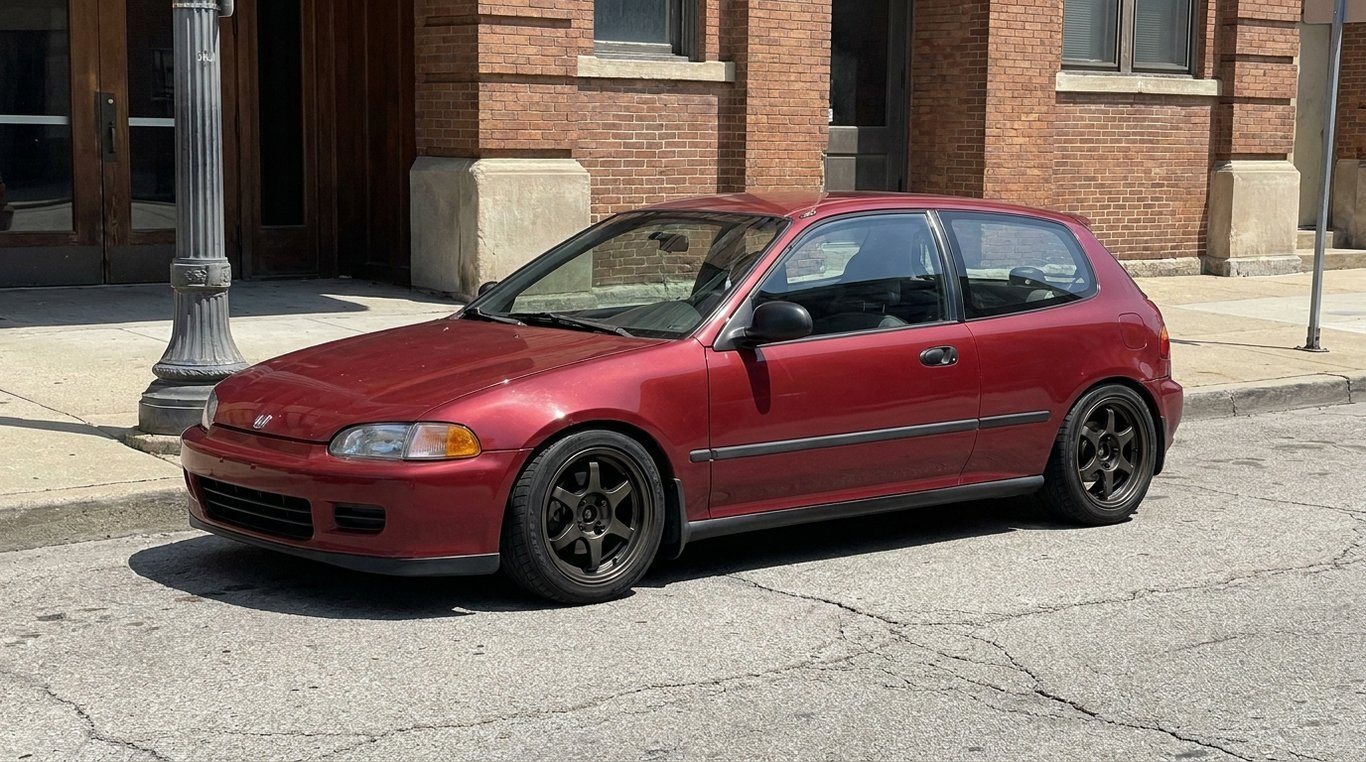
Japanese car makers have spent years proving that a great driving experience isn’t just about raw power or fast speeds. The most engaging cars prioritize a strong connection between the driver and the machine. Five vehicles stand out from the last 15 years for delivering pure joy behind the wheel: the Subaru WRX STI (2015–2021), the Toyota GR86 (2013–present), the Honda Civic Type R FK8 (2017–2021), the Nissan GT-R R35 (2009–present), and the Mazda MX-5 Miata (2006–present). These cars range from rally-bred machines with 305 horsepower to lightweight roadsters weighing around 2,300 pounds. Each model offers a unique way to enjoy the road, whether through all-wheel-drive grip, precise rear-wheel-drive handling, or the simple pleasure of an open-top drive.
Comparing Japanese Performance Vehicles
| Vehicle | Engine | Drive Type | Key Characteristic |
|---|---|---|---|
| Subaru WRX STI | 2.5L Turbo | AWD | Raw, unfiltered feedback |
| Toyota GR86 | 2.0L/2.4L | RWD | Accessible handling |
| Honda Civic Type R | 2.0L Turbo | FWD | Precision and versatility |
| Nissan GT-R | 3.8L Twin-Turbo | AWD | Technological performance |
| Mazda MX-5 Miata | 2.0L | RWD | Telepathic connection |
Differences in Driving Experience
Which car offers the best daily versatility?
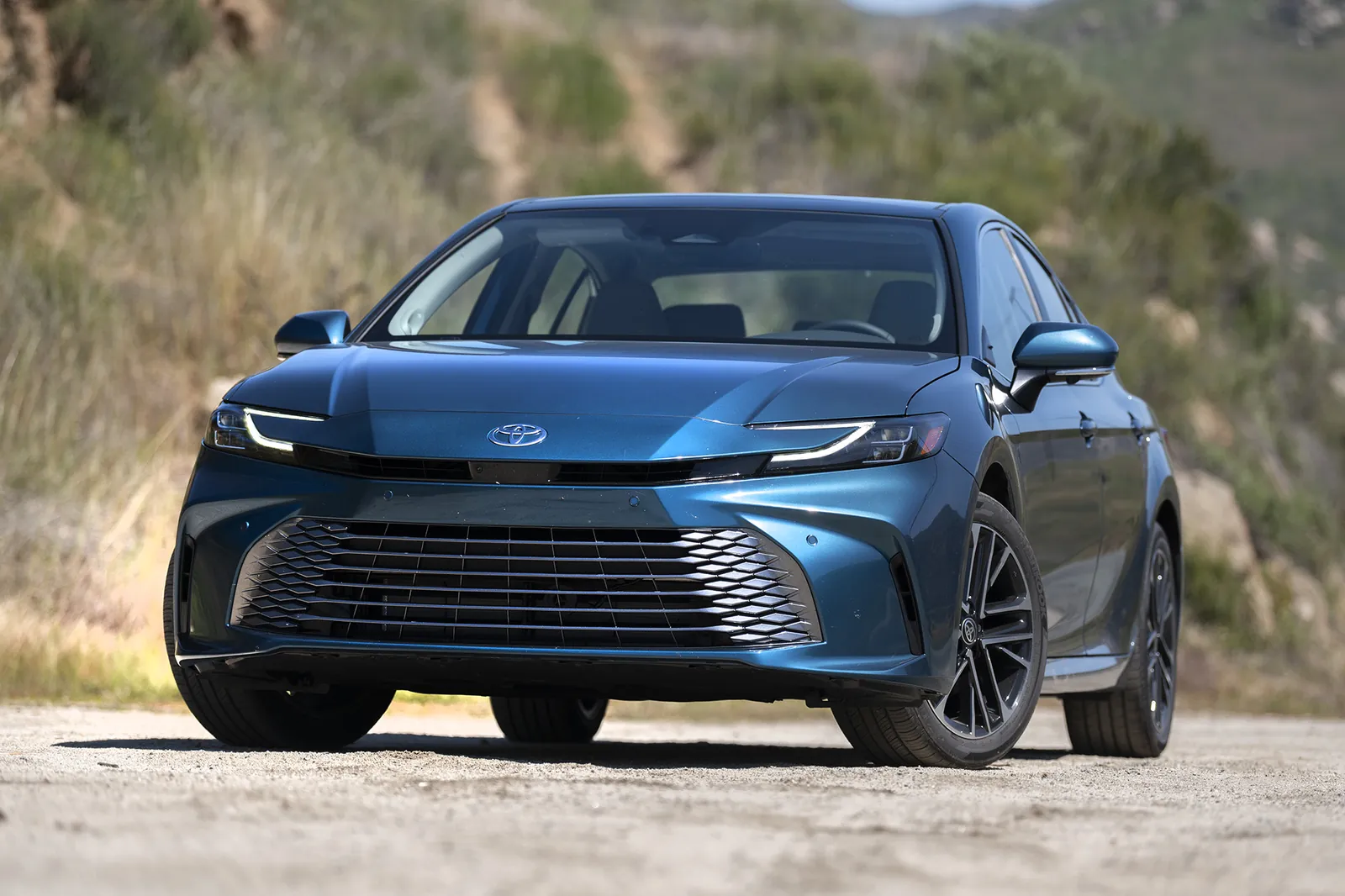
The presenter highlights the Honda Civic Type R as a standout for its dual nature. It’s capable of setting track records while remaining comfortable for daily commuting. This is primarily due to its adaptive suspension, which allows the driver to soften the ride when needed.
Coupled with Honda’s reputation for reliability, the FK8 generation serves as a practical, high-performance choice. While other cars on this list are focused on specific environments like rally stages or tight corners, the Type R is designed to handle both track duty and the drive home without compromise.
Does horsepower matter more than handling?
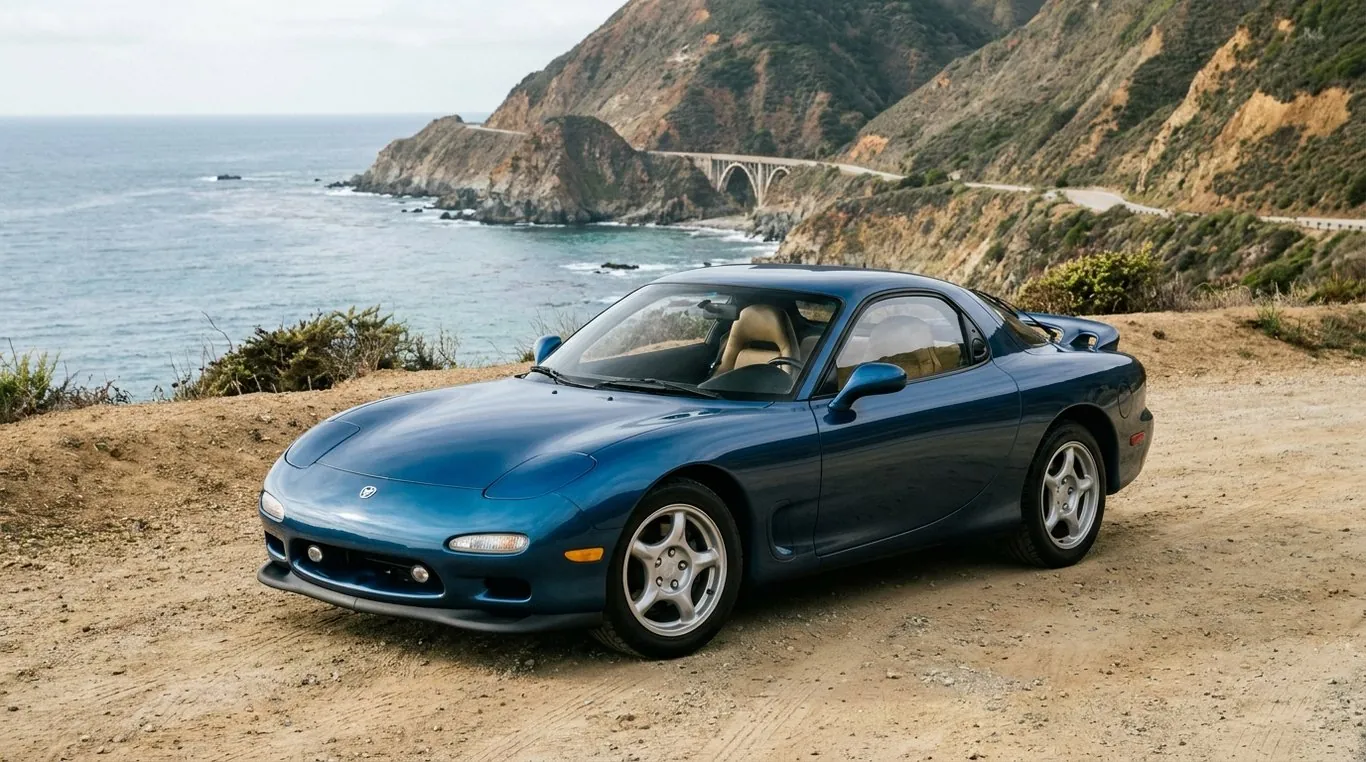
The walkthrough suggests that horsepower is often secondary to the feeling of driving. The Mazda MX-5 Miata is the primary example of this philosophy. Even with modest power figures, such as the 155 to 181 horsepower range in the ND generation, the car feels special because of its low weight and mechanical precision. The presenter notes that the Miata’s controls feel like natural extensions of the driver’s body.
In contrast, cars like the Nissan GT-R rely on a “technological tour de force” to manage massive power, moving beyond 600 horsepower in later models. The presenter finds that the Miata’s approach of “perfecting the essentials” makes even slow, everyday drives feel rewarding, whereas the GT-R provides an experience defined by limitless capability and extreme grip.
Which Car Should You Choose?
If you prioritize a specific type of driving experience, then choose the vehicle that matches your preferred connection to the road.
For those who want a raw, rally-inspired feel, the Subaru WRX STI is the choice, as it demands effort and rewards the driver with heavy, direct steering. If you’re developing your driving skills, the Toyota GR86 is recommended because its handling limits are accessible and progressive. Drivers who want a balance of track performance and daily practicality should look at the Honda Civic Type R. If you seek the ultimate in technology and acceleration, the Nissan GT-R provides a supercar experience.
Finally, for those who value a lightweight, open-top car that feels like a natural extension of the body, the Mazda MX-5 Miata is the top recommendation. The presenter notes these cars democratize the sports car experience, making high-quality driving dynamics available to a wide range of enthusiasts.
What the Video Leaves Open
- The video doesn’t provide a list of common mechanical issues to look for when buying used versions of these specific models.
- The presenter doesn’t mention the current market price or the specific maintenance costs for any of these vehicles.
- There’s no information regarding the insurance premiums for these performance models, which can vary significantly by driver and location.
- The video doesn’t explain how to perform a pre-purchase inspection to ensure a car hasn’t been abused on the track.
- The walkthrough doesn’t offer a comparison of fuel economy or long-term ownership expenses for these five vehicles.
Related guides
- Best affordable performance cars that are hidden gems
- Most reliable Japanese cars to buy for long-term ownership
- Worst cars to avoid buying in 2025
Frequently Asked Questions
Is the Subaru WRX STI still in production?
No, the Subaru WRX STI is no longer being produced. The presenter notes that its discontinuation after the 2021 model year marked the end of an era. Because of this, clean examples of the VA generation, which ran from 2015 to 2021, are becoming increasingly difficult to find and are highly sought after by car enthusiasts who appreciate its raw, unfiltered driving character.
What is the “Jinba Ittai” philosophy?
The presenter explains that this is a Mazda philosophy which translates to “horse and rider as one.” It describes the goal of creating a telepathic connection between the driver and the machine. In the case of the Mazda MX-5 Miata, this means the car’s controls, such as the short-throw shifter and steering, should feel like natural extensions of the driver’s own body to ensure total harmony.
How does the Toyota GR86 compare to older models?
The presenter identifies the GR86 as part of a trio of cars that were first introduced in 2013 and then comprehensively redesigned for 2022. The newer generation brought a power increase, moving from a 2.0-liter engine with 205 horsepower to a 2.4-liter unit producing 228 horsepower. Despite the changes, the fundamental layout—a lightweight, front-engine, rear-wheel-drive design with a low center of gravity—remains the core of the experience.
Why is the Nissan GT-R called Godzilla?
The presenter identifies the Nissan GT-R as the car nicknamed Godzilla. This reputation was built on its ability to deliver true supercar performance at a fraction of the cost of traditional competitors. Since its introduction in the United States for the 2009 model year, it has continuously evolved. Later models pushed engine output beyond 600 horsepower, supported by advanced all-wheel drive and dual-clutch transmissions that allow for 0 to 60 mph times of under 3 seconds.
Does the Honda Civic Type R suffer from torque steer?
No, the presenter explains that the FK8 generation of the Honda Civic Type R successfully eliminated the torque steer that’s typically associated with powerful front-wheel-drive performance vehicles. The engineering of the chassis allows for precise handling and feedback, enabling the car to perform at a level that can challenge more expensive all-wheel-drive or rear-wheel-drive sports cars while maintaining a front-wheel-drive layout.
The best way to decide which of these Japanese performance cars is right for you is to focus on the type of driving you enjoy most. If you want a car that rewards your input with raw mechanical feedback, start by looking for a clean example of the Subaru WRX STI or the Mazda MX-5 Miata. If you prefer modern technology and higher power limits, investigate the Nissan GT-R or the Honda Civic Type R. Regardless of your choice, these cars are engineered to turn mundane transportation into a more engaging experience. Take the time to research the specific generation that fits your budget and begin by identifying which of these driving styles appeals to you the most.
