


You can avoid costly transmission repairs by breaking common, harmful driving habits that slowly degrade your vehicle’s internal components. Many drivers unknowingly damage their transmissions through everyday actions, such as shifting gears while the car is still moving or neglecting basic fluid maintenance. These mistakes often lead to significant mechanical failure, with repair or replacement costs ranging from $3,000 to $8,000. By adopting specific, safer habits, you can prevent these stress cycles and extend your transmission’s life for hundreds of thousands of miles.
Stop completely before shifting directions
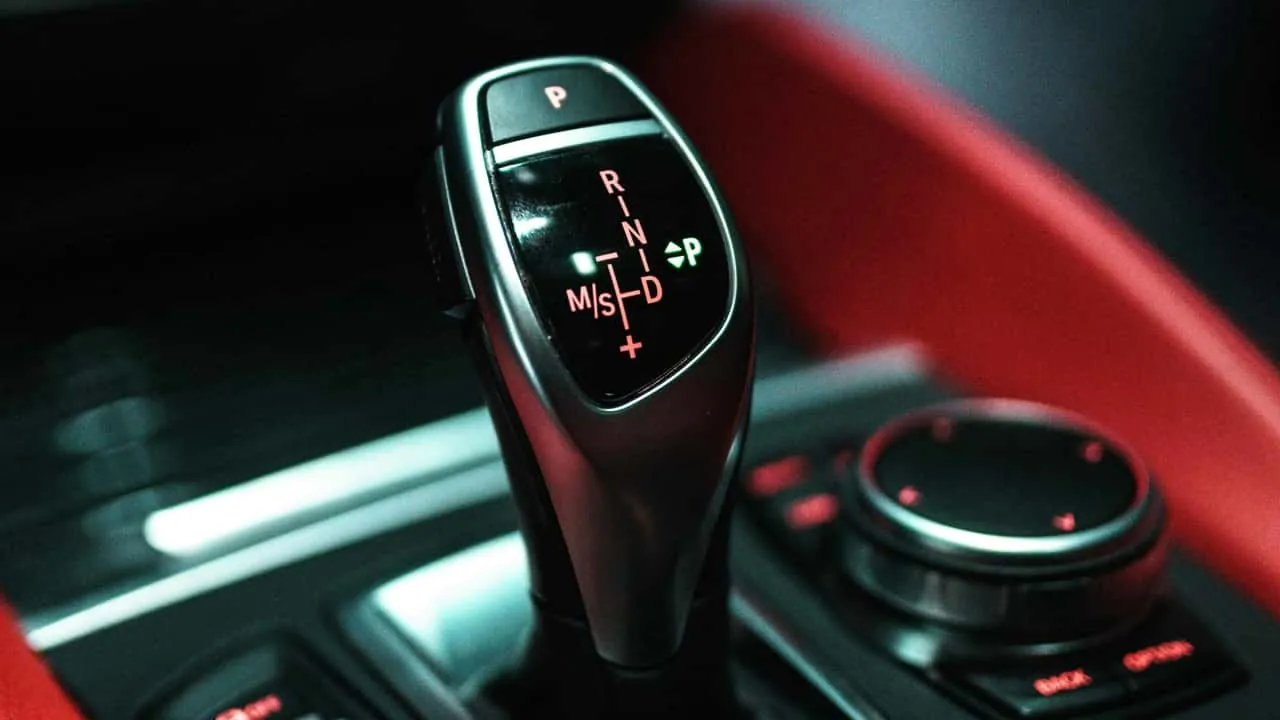
Shifting from reverse to drive while your vehicle is still moving is a dangerous habit that forces the transmission to stop backward momentum and switch to forward motion instantly. This move creates a violent clash between internal components.
The clutches responsible for gear changes suffer enormous stress as they try to absorb the kinetic energy, causing them to slam together with high force. This generates heat, wears down the clutch material, and contaminates the hydraulic fluid with burnt debris. Over time, this causes the transmission to slip and eventually fail. To avoid this, always bring the vehicle to a complete stop before you change directions.
Service your transmission fluid regularly
Many manufacturers claim transmission fluid lasts a lifetime, but this is often misleading because it assumes optimal driving conditions. Real-world driving—such as sitting in stop-and-go traffic or towing—is rarely optimal. Once you reach high mileage with old fluid, you may notice symptoms like erratic behavior, rough engagement, or delayed shifts.
If you wait too long, changing the fluid can actually cause more problems because worn clutches may rely on that dirty fluid to maintain their grip. It’s recommended that you change your transmission fluid every 40,000 to 80,000 miles or every 3 to 5 years to ensure smooth operation.
Allow your transmission to warm up
While modern engines don’t require long warm-up periods, your transmission absolutely does. In cold weather, transmission fluid becomes thick and sluggish, which prevents it from flowing properly through internal passages. This leads to poor lubrication and harsh, delayed shifts.
If you start your car in winter and drive off hard after only 30 seconds, you put unnecessary strain on the system. Instead, give your transmission a minute or two to warm up. When you begin driving, keep the engine revolutions low for the first few minutes to ensure the fluid circulates and the system operates smoothly.
Protect the parking pawl when stopping
The park position uses a small metal component called a parking pawl that locks into a gear to prevent the vehicle from rolling. This part isn’t designed to stop a moving car. If you shift into park while the vehicle is still rolling, you force this tiny component to stop thousands of pounds of metal.
This often results in a chipped or broken pawl, which requires a transmission teardown to replace a $10 part. The labor required to access this area makes the repair very expensive. Always ensure the car is at a complete stop before you engage the park gear.
Always use the parking brake
Numerous motorists rely on the transmission’s locking mechanism to support their car’s full mass while stationary. Although this is generally fine on level surfaces, it exerts significant pressure on mechanical parts if you stop on a slope.
The correct method involves halting fully, moving the gear selector to neutral, engaging the emergency brake, and finally selecting park. This guarantees that the vehicle’s load is supported by the braking system instead of the gearbox’s inner workings. You ought to engage your emergency brake whenever you park, no matter how level the ground seems to be.
Manage heat during wheel spin and idling
Spinning your wheels when stuck in snow is essentially “transmission suicide” because it generates intense heat that can melt internal parts. Instead of flooring the gas, try gentle rocking motions between reverse and drive, or use traction aids. Similarly, avoid leaving your car in drive for extended periods, such as in long drive-thru lines.
When the car is in drive but stopped, the torque converter works against the brakes, causing fluid to churn and overheat. For long stops, shift into park and apply the parking brake to allow the fluid to circulate freely.
What to Act On First
The most important habit to adopt is using your parking brake every single time you park. This action is critical because it shifts the weight of the vehicle away from the internal parking pawl. By consistently following the sequence of stopping, shifting to neutral, applying the brake, and then shifting to park, you protect the transmission from unnecessary stress.
This simple, repeatable habit prevents the common and expensive failure of the parking pawl, which requires a complex teardown to fix. Because this is a daily practice that significantly reduces mechanical wear, it’s the most effective first step to ensure your transmission stays healthy.
What the Video Leaves Open
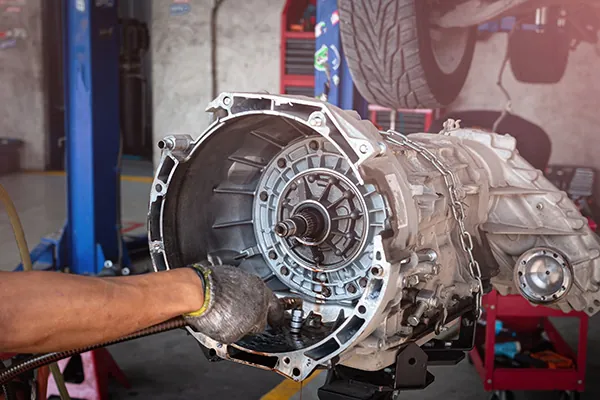
The presenter notes that modern transmissions are engineered to mask damage, meaning significant internal harm often occurs long before symptoms appear. The following areas remain unaddressed:
- The video doesn’t specify the exact, recommended type or brand of transmission fluid to use for specific vehicle makes.
- There’s no information on how to check the condition of your own transmission fluid, such as how to identify the specific look or smell of burnt fluid.
- The presenter doesn’t provide a guide on how to safely perform a fluid change or if it’s a task suitable for a beginner.
- The video doesn’t explain how to recognize the difference between a minor, temporary transmission issue and a sign of total failure.
Related guides
- How to reset Ford transmission control module TCM
Frequently Asked Questions
Is it okay to shift to neutral at red lights?
No, you should avoid shifting to neutral at red lights. While you might think you’re giving the transmission a break, you’re actually causing more wear. Every time you move the shifter from drive to neutral and back, you engage and disengage the internal clutches. This constant movement creates unnecessary wear on the friction surfaces. Modern transmissions are built to handle being in drive while the vehicle is stopped, so it’s best to keep the car in drive during short stops at traffic lights.
How do I know if my transmission is damaged?
You’ll typically notice symptoms like delayed shifts, rough engagement, or erratic behavior. However, the presenter warns that modern transmissions are well-engineered and can hide damage for a long time. By the time you actually feel these symptoms, significant internal damage has often already occurred. Because damage accumulates through small, repeated habits over time, it’s rarely a sudden failure. If you notice your car slipping between gears or failing to engage properly, it’s a sign that internal components have already been compromised.
Why does the transmission overheat when stuck in snow?
When your wheels are spinning in snow, the friction inside the transmission generates extreme temperatures. This heat can literally melt internal components and cause the transmission fluid to break down. As the fluid loses its properties, the clutch packs begin to slip and burn. The presenter has seen transmissions fail completely with metal shards scattered throughout because the driver kept flooring the gas pedal. Instead of trying to power through with high engine speeds, you should use gentle rocking motions or traction aids to regain your grip.
Take care of your transmission by being mindful of these small daily habits. Even if your car feels like it’s running perfectly, the cumulative effect of shifting while moving or ignoring your parking brake can lead to thousands of dollars in repair bills. Start today by consistently using your parking brake whenever you park, and commit to regular fluid changes based on your driving conditions rather than manufacturer claims of “lifetime” fluid. Protecting these internal components now will keep your vehicle running smoothly for years to come.
