

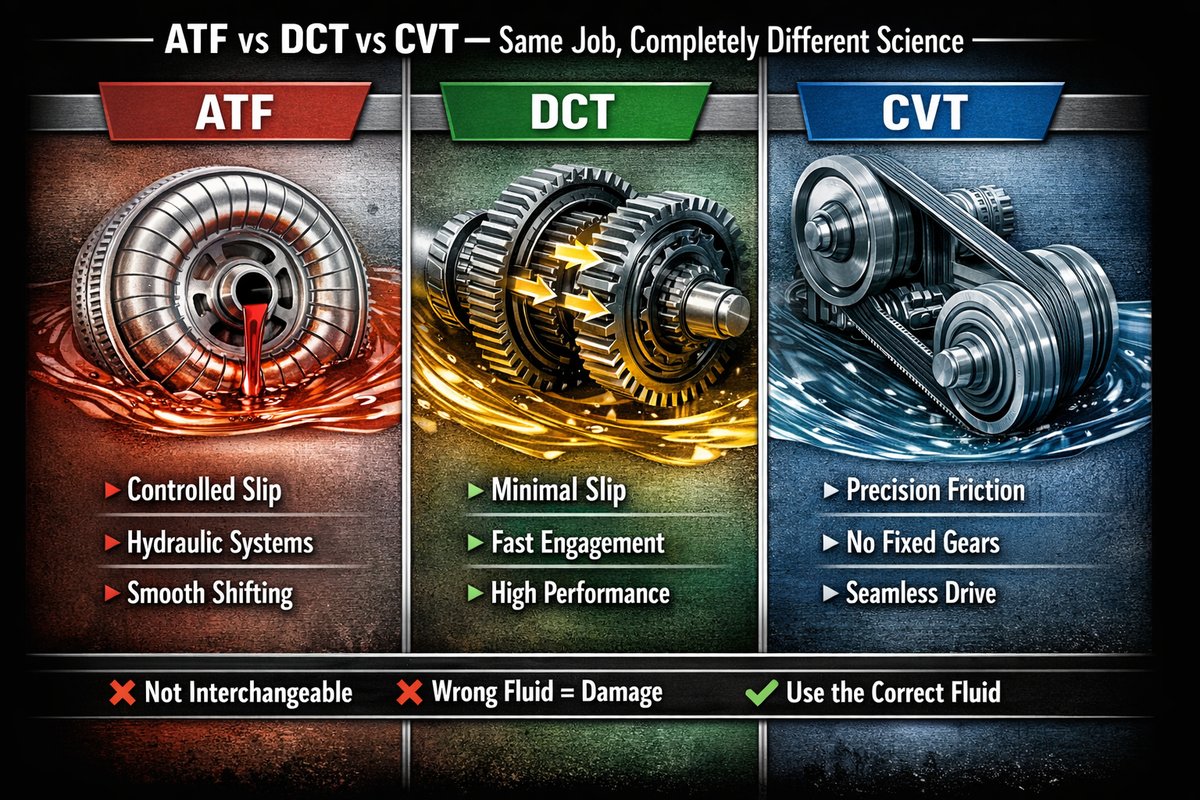
To keep your continuously variable transmission (CVT) from failing, you must avoid five critical mistakes that put unnecessary strain on its internal components. These transmissions, common in vehicles from brands like Toyota, Honda, Nissan, and Subaru, are sensitive to temperature, fluid degradation, and physical stress. By changing your driving habits and maintenance schedule, you can avoid massive repair bills and extend the life of your vehicle. The presenter explains that failing to manage these specific factors often leads to a complete transmission replacement, which is frequently the most expensive service a car owner will ever face.
Warm up your engine before driving
The number one way to damage a CVT is to drive immediately after a cold start. When the engine is cold, the transmission fluid is thick and sluggish, making it difficult for the belt and pulley system to function correctly. This creates high friction and resistance inside the transmission.
To prevent this, you should let your car idle in park for 30 to 60 seconds after starting it on a cold morning. Furthermore, the presenter advises that for the first 5 minutes of your drive, you should keep your acceleration gentle. Avoid flooring the gas pedal or performing hard starts during this time. This routine allows the fluid to circulate, helping the system operate with less resistance.
Change your transmission fluid regularly
Many dealerships claim that CVT fluid is a “lifetime” product, but the presenter warns that this is a misleading statement that leads to failure. Every CVT contains fluid that breaks down over time. As this fluid degrades, it loses its ability to cool and lubricate the internal belt and pulley system. This loss of performance leads to overheating, slipping, and eventually, total transmission failure.
To avoid this, you should change your CVT fluid every 30,000 to 60,000 miles. While some dealers might suggest waiting until 80,000 miles, the presenter advises against this. This interval ensures the transmission stays lubricated and prevents overheating.
Avoid extremely gentle acceleration
Many drivers believe that driving like a grandmother—barely touching the gas pedal—protects their transmission. However, this is a mistake. When you accelerate too slowly, the system operates at very low RPMs, which can cause issues to develop. Some technicians even look for shuddering at these low throttle levels as a sign that a CVT is already failing.
The presenter suggests that the “sweet spot” for your transmission is moderate, confident acceleration. You don’t need to floor the gas pedal, but you should avoid babying the car. Accelerating normally allows the system to operate as designed.
Stop towing heavy loads
CVTs aren’t built for towing, and the presenter states that you should avoid this activity entirely. Even if your owner’s manual lists a maximum capacity, such as 1,000 pounds, this is only for perfect conditions and is still risky. Towing forces the belt and pulley system to handle sustained high heat and heavy loads that it was never designed to manage.
This can cause the belt to overheat, slip, or even snap, which results in a complete transmission failure. For regular towing, choose a vehicle with a traditional automatic transmission. If you must tow something light on rare occasions, you should keep the weight well below the stated limit and take frequent breaks to allow the transmission to cool down.
Come to a complete stop before shifting
Changing gears between drive and reverse while the car is in motion is a significant error that results in instant harm. This frequently occurs during parking when a motorist engages drive while drifting backward, or selects reverse while rolling forward.
Unlike conventional automatics, a CVT depends on a belt and pulley mechanism for every directional shift. Switching while moving forces the gearbox to abruptly invert power flow. This puts extreme pressure on components. You’re required to reach a full halt before toggling between drive and reverse to shield your transmission from this severe, destructive impact.
What to act on first
The presenter identifies cold starting and driving immediately as the number one killer of CVT transmissions. By simply waiting 30 to 60 seconds for the car to idle before you move, you stop the immediate wear caused by thick, cold fluid.
What the video leaves open
This list doesn’t cover every possible cause of transmission failure.
- The video doesn’t provide a list of specific warning signs or dashboard lights that might indicate your CVT is already damaged.
- There’s no information regarding the specific cost of a fluid change or a full transmission replacement.
- The video doesn’t explain how to check your own transmission fluid levels or condition.
- The presenter doesn’t cover what to do if you notice your transmission is already shuddering or slipping during normal use.
Frequently Asked Questions
Is it safe to tow at all with a CVT?
The presenter states that CVTs aren’t built for towing. While your owner’s manual might list a maximum capacity, such as 1,000 pounds, the presenter warns that this is playing with fire. You’re asking the belt system to handle heat and loads it was never designed for. If you must tow something light occasionally, you should keep the weight well under the limit and take frequent breaks to let the transmission cool down.
Why do dealers call the fluid “lifetime”?
The host clarifies that the assertion that CVT oil is permanent and requires no replacement is entirely deceptive. Actually, the lubricant degrades eventually and forfeits its capacity to grease and chill the belt and pulley assembly. Trusting the manufacturer’s guidance regarding this can result in exorbitant maintenance costs. You ought to disregard such recommendations and execute oil swaps every 30,000 to 60,000 miles to maintain the transmission’s operational status.
How does the transmission react to gentle driving?
Most people think driving very slowly protects the CVT, but the presenter says this is actually harmful. Accelerating with barely any pressure on the gas pedal causes the system to run at very low RPMs, where issues can develop. Instead of babying the car, you should use moderate, smooth acceleration. Driving normally is the best way to keep the system working correctly, as the transmission is designed to handle standard driving conditions without needing special, overly cautious inputs.
To protect your vehicle, start by changing your morning routine today. Allow your car to idle for up to one minute before you begin driving, and keep your initial acceleration light for the first five minutes. This simple adjustment prevents the most common form of internal wear. Beyond this, schedule a fluid change if you have passed the 30,000-mile mark, as this is the most effective way to ensure your transmission doesn’t overheat and fail prematurely.
