

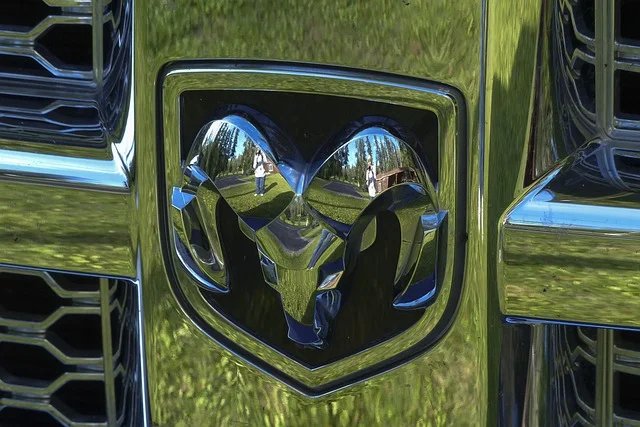
If you’re shopping used, the Ram 1500 years to avoid are 2001 to 2003, 2011, and 2012 to 2014. The early 2000s trucks are the most complained about, with transmission failure as the biggest problem. The 2011 model is one of the truck’s lowest points because of the 4.7 L V8 engine, which was prone to catastrophic failure. The 2012 to 2014 trucks were caught in the Takata airbag recalls. Replacing an engine on a 2011 can cost over $5,000.
Why some Ram 1500 years have a bad reputation

The whole idea behind this walkthrough is simple. The Ram 1500 is a legendary truck, but not every model year was built the same. Some years earned a reputation for trouble, and others earned a reputation for lasting. The presenter splits the lineup into two groups: the years that cost owners thousands in repairs, and the years that are considered bulletproof.
The issues begin around the start of the 2000s. Trucks from the 2001 through 2003 model years rank among the most griped-about vehicles available. Transmission breakdowns are the leading complaint. People who own them say the transmissions slip, grind, or quit entirely before reaching 100,000 mi.
Transmission trouble wasn’t the whole story. These trucks additionally suffered from electrical gremlins, power windows that quit, gauges that went crazy, and wiring faults that drove owners up the wall. The cabin drew criticism as well, since low-grade materials deteriorated much too fast. As reported by carcomplaints.com, the 2002 Ram 1500 has more than 2,000 problems logged by owners. That places it among the poorest-rated Rams ever produced.
Next the walkthrough turns to 2011, described as one of the Ram 1500’s worst moments. The engine is the cause — more precisely the 4.7 L V8. It looked dependable on paper, yet in reality it was susceptible to catastrophic failure. Owners reported ticking noises, oil sludge accumulation, and motors that died at alarmingly low mileage. Certain engines broke down due to design defects that led to excessive oil burning.
Drivers would pull the dipstick and discover the oil had strangely disappeared, which resulted in a seized motor. Swapping in a new engine can run more than $5,000, and plenty of owners got stuck with that expense before reaching 120,000 mi. The 2011 additionally suffered electrical glitches and air conditioning trouble, which is why the presenter labels it one of the most unreliable years in Ram 1500 history.
The third set covers 2012 to 2014, the years of the airbag recall. Across that span, Ram 1500 owners became entangled in the Takata airbag recalls. These trucks came with faulty airbags capable of exploding in a crash and hurling metal fragments through the cabin.
Millions of vehicles from many brands were involved, yet the Ram 1500 was affected particularly badly. Airbags weren’t the sole problem. Those years also saw premature rear differential failures and suspension parts that gave out early, resulting in harsh rides and costly repairs.
That’s the core idea. A used Ram 1500 isn’t one product — it’s a set of very different trucks wearing the same badge, and the year on the door decides which one you’re buying.
What the good Ram 1500 years get you
The other half of the walkthrough is about what you actually gain by choosing a better year. The presenter points to three groups.
The golden era starts with 2006 to 2008. Following the early 2000s chaos, Ram boosted build quality by the middle of the 2000s. These trucks are frequently regarded as the beginning of the golden era. They gained from sturdier transmissions, better interiors, and fewer widespread problems than the earlier versions.
A notable example is the 2008 Ram, which earned above-average reliability scores from J.D. Power. Owners applauded its durability, comfort, and towing capability. No truck is without faults, but the 2006 through 2008 models generally have fewer catastrophic problems and are known to reach 200,000 mi with routine maintenance.
After that comes the 2017 to 2020 sweet spot. If modern comfort, newer tech, and reliability are what you want, the presenter says these are your best choice. By then Ram had completely rebranded as its own standalone brand, splitting from Dodge, and was battling Ford and Chevy directly.
The 2019 redesign especially drew attention. It brought a smoother ride courtesy of coil spring suspension, along with upscale interior choices. The Ram 1500 even captured Motor Trend’s Truck of the Year multiple times across this stretch. Owners report fewer major issues than with earlier years. A few minor electrical quirks remain, but the presenter says they’re nothing next to the engine and transmission catastrophes of the older models.
The final one is the clear winner: the 2020 Ram 1500. Among truck fans and critics, it’s frequently regarded as the best year ever produced. It merged everything Ram had been striving for — luxury, towing strength, fuel-efficient engine choices, and top-tier reliability scores.
The 2020 provides a broad selection of trims, from work-oriented Tradesman models to the high-end Limited trims that match luxury SUVs in comfort. The EcoDiesel option delivered best-in-class fuel economy for long hauls. Consumer Reports and J.D. Power both awarded the 2020 high marks, and owners consistently report fewer mechanical breakdowns than with older Rams.
Which Ram 1500 should you actually buy used?
Start with your budget, because that decides which group you’re shopping in. If your budget allows, the presenter says the 2020 is the crown jewel of the lineup. It’s the best balance of power, comfort, and dependability, and it’s the year that combines everything Ram had been working toward.
If a 2020 is out of reach, the 2017 to 2020 window is the next step down, and the presenter calls it the sweet spot for modern features plus long-term reliability. Below that, the 2006 to 2008 trucks are the value pick. They’re known to reach 200,000 mi with regular maintenance, and the 2008 scored higher than average reliability ratings from J.D. Power.
Conversely, the guidance is direct. Steer clear of the nightmare years — 2001 to 2003, 2011, and 2012 to 2014 — unless you’d rather spend more time in a repair shop than on the road.
The presenter also offers one particular check for the recall years. If you’re considering a Ram from 2012 to 2014, examine the recall history closely. Some trucks had their airbags replaced, but others fell through the cracks. If the recall wasn’t completed, the presenter’s words are that you could be driving a ticking time bomb.
Lastly, the method works for every year, good or bad. Do your research, review maintenance records, and know which years to avoid. The presenter frames the whole decision this way: when you choose the right Ram 1500, you’re not just buying a truck, you’re investing in a reliable partner that can last you for years to come.
The complaints and ratings behind these years
The walkthrough leans on owner-reported data and published ratings rather than the presenter’s own testing.
The clearest figure is for the 2002 Ram 1500. According to carcomplaints.com, that year has over 2,000 owner-reported problems, which makes it one of the worst-rated Rams ever built. That single number is the backbone of the 2001 to 2003 warning.
For the good years, the support comes from ratings and awards. The 2008 Ram scored higher than average reliability ratings from J.D. Power. The Ram 1500 won Motor Trend’s Truck of the Year multiple times during the 2017 to 2020 period. Consumer Reports and J.D. Power both gave the 2020 Ram 1500 high marks.
Owner reports carry the rest. Owners of the 2001 to 2003 trucks reported transmissions slipping, grinding, or failing before 100,000 mi. Owners of the 2011 reported ticking sounds, oil sludge build-up, and engines giving out at low mileage. Owners of the 2017 to 2020 trucks report fewer major problems, and owners of the 2020 consistently report fewer mechanical breakdowns than with older Rams.
The repair figure comes from the 2011 discussion: replacing an engine can cost over $5,000. The presenter notes many owners were hit with that bill before hitting 120,000 mi.
What the video leaves open
- The presenter says some 2012 to 2014 trucks had their airbags replaced while others slipped through the cracks, but the video doesn’t say how a buyer confirms whether a specific truck’s recall was completed.
- The walkthrough never gives a price for any year. It says the 2020 is the crown jewel “if your budget allows,” but it doesn’t say what any of these trucks cost, so you can’t tell from the video whether a 2020 fits your budget.
- The video doesn’t say what to have ready before you shop. It tells you to check maintenance records, but not what a complete record looks like or what to bring with you.
- The video gives no sense of how long the shopping or inspection process takes, and no estimate of running costs for any year.
- The presenter warns that the 2011’s 4.7 L V8 was prone to oil consumption and sludge, but the video doesn’t say what to do if you already own one, or how to check for it beyond looking at the dipstick.
- The video names the 2001 to 2003, 2011, and 2012 to 2014 trucks as ones to avoid, but it doesn’t say who these trucks are still a reasonable buy for, if anyone.
Frequently Asked Questions
What is the worst year for a used Ram 1500?
The 2001 to 2003 models are described as some of the most complained about trucks on the market, and the 2011 is called one of the Ram 1500’s lowest points. The 2002 stands out even inside that group: according to carcomplaints.com, it has over 2,000 owner-reported problems, making it one of the worst-rated Rams ever built. The 2012 to 2014 trucks are also on the avoid list because of the Takata airbag recalls. So there isn’t one single worst year — the walkthrough names three separate trouble spots, and each one has a different cause.
Why is the 2011 Ram 1500 considered unreliable?
The engine is the reason. The 2011 came with the 4.7 L V8, which the presenter says was prone to catastrophic failure. Owners complained of ticking sounds, oil sludge build-up, and engines that gave out at shockingly low mileage. Some failures came from design flaws that caused excessive oil consumption — drivers would check the dipstick and find the oil had vanished, which led to a seized motor. Replacing an engine can cost over $5,000, and many owners faced that bill before hitting 120,000 mi. The 2011 also had electrical glitches and air conditioning problems.
What was the Takata airbag problem on the 2012 to 2014 Ram 1500?
Between 2012 and 2014, Ram 1500 owners got caught up in the Takata airbag recalls. These trucks were equipped with defective airbags that could explode during a crash and send metal shrapnel into the cabin. Millions of vehicles across brands were affected, but the Ram 1500 was hit especially hard. The airbags weren’t the only issue in those years — the trucks also had premature rear differential failures and suspension components that wore out early. If you’re looking at a Ram from 2012 to 2014, check the recall history carefully. Some trucks had their airbags replaced, but others slipped through the cracks.
Which Ram 1500 years are the most reliable?
The presenter points to three groups. The 2006 to 2008 trucks are the start of the golden era, with stronger transmissions and improved interiors, and they’re known to hit 200,000 mi with regular maintenance. The 2017 to 2020 models are the sweet spot for modern comfort and tech, with fewer major problems reported by owners. And the 2020 Ram 1500 is called the best year ever built, with high marks from Consumer Reports and J.D. Power and fewer mechanical breakdowns reported by owners. The 2008 also scored higher than average reliability ratings from J.D. Power.
Is the 2020 Ram 1500 the best year to buy used?
Among truck enthusiasts and critics, the 2020 Ram 1500 is often considered the best year ever built. It combined everything Ram had been working toward: luxury, towing power, fuel-efficient engine options, and top-notch reliability scores. It offers a wide range of trims, from work-focused Tradesman models to high-end Limited trims that rival luxury SUVs in comfort, and the EcoDiesel option provided best-in-class fuel economy for long hauls. Consumer Reports and J.D. Power both gave it high marks. The presenter says it’s the crown jewel of the lineup if your budget allows.
What should I check before buying a used Ram 1500?
The presenter’s advice is short: do your homework, check maintenance records, and know which years to run from. For the 2012 to 2014 trucks specifically, check the recall history carefully, because some had their airbags replaced and others didn’t. If the recall wasn’t completed, the presenter says you could be driving a ticking time bomb. Beyond that, the walkthrough keeps coming back to the year itself as the first filter — avoid 2001 to 2003, 2011, and 2012 to 2014, and aim for 2006 to 2008, the late 2010s, or a 2020.
The first thing you can do right now costs nothing: write down the year of any Ram 1500 you’re considering and check it against the list. If it’s a 2001 to 2003, a 2011, or a 2012 to 2014, walk away unless you’re ready for repair bills. If it’s a 2006 to 2008, a 2017 to 2020, or a 2020, move to the next step and ask for the maintenance records. And for any 2012 to 2014 truck that somehow stays on your list, check the recall history before you talk about price. That order — year first, records second, recall check third — is the whole method the walkthrough leaves you with.
