


The Nissan Frontier years to avoid are 2005 to 2010, 2012, 2016, and the 2022 first-year redesign. The worst of these is 2005 to 2010, where a radiator defect called the strawberry milkshake of death lets engine coolant mix with transmission fluid and destroys the transmission — a fix that runs $3,700 to $5,000. The years to buy are 2018 to 2021 for a used second-generation truck, or 2023 to 2024 if you want the newer third-generation model. The presenter’s rule is simple: stick with those years and you get a truck that’ll run for 200,000 miles on basic maintenance.
Best and Worst Frontier Years Compared
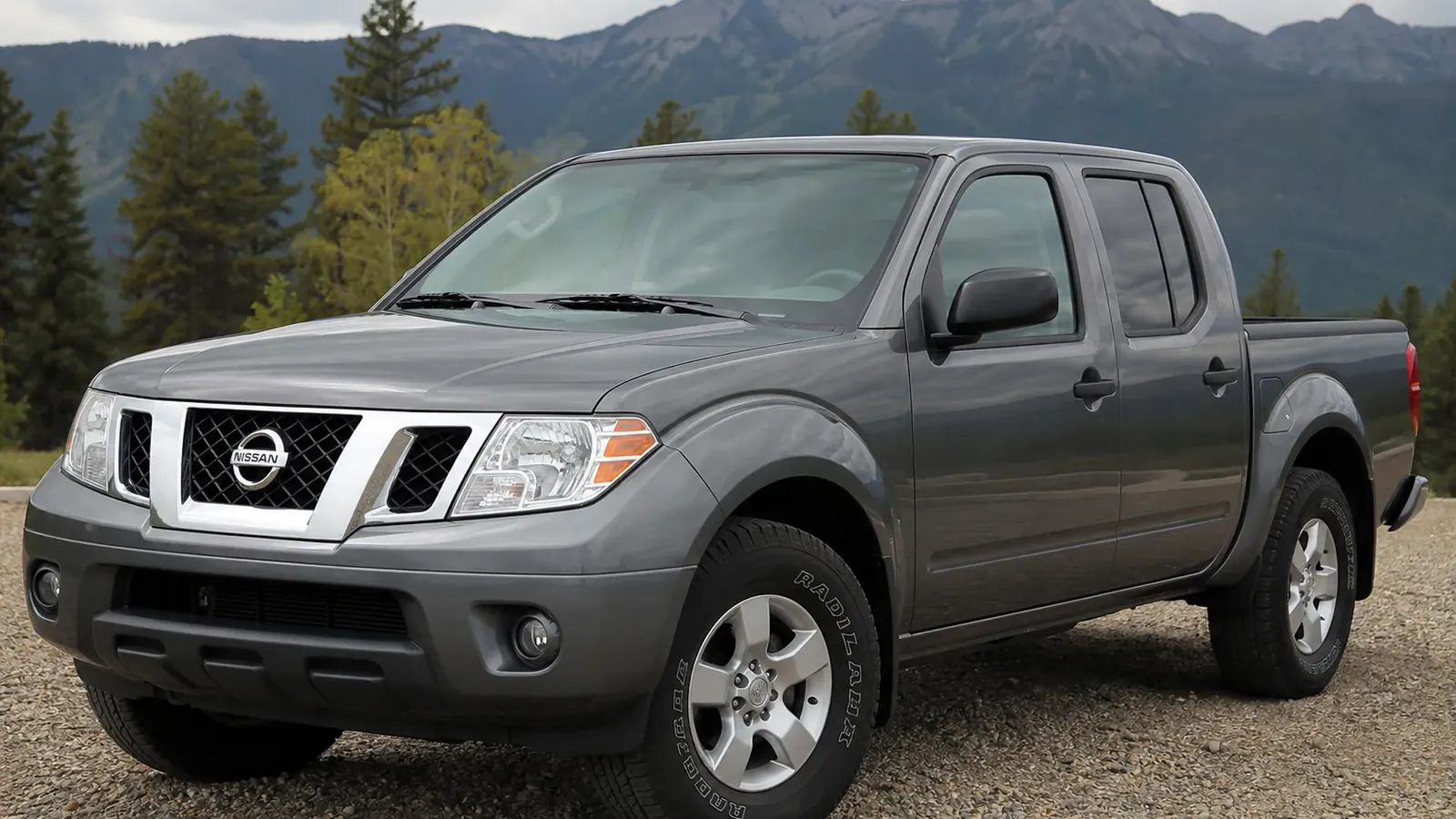
| Point | 2005–2010 | 2012 | 2016 | 2018–2021 | 2023–2024 |
|---|---|---|---|---|---|
| Owner complaints on Car Complaints | 284 for 2005, 218 for 2006, 202 for 2007 | 51 | 32 | — | — |
| Main problem named | Radiator coolant mixing with transmission fluid; timing chain stretch | Timing chain, premature rust, poor fuel economy | Engine and fuel system issues | None major — issues resolved | None major — early 2022 problems fixed |
| Engine and power | VQ40 V6 | — | — | 3.8 L V6, 310 horsepower | — |
| Transmission | — | Hesitation and rough shifting | — | 9-speed automatic | — |
| Repair cost named | $3,700–$5,000 transmission; $1,500–$2,500 timing chain | — | — | — | — |
| Reliability signals | — | — | — | 2019 cited as most reliable year; 2021 had 11 NHTSA complaints | 4.2/5 Edmunds, 4.5/5 cars.com, 84/100 J.D. Power |
| Price | — | — | — | 2021 costs around $22,000–$25,000 | — |
Where the Frontier Years Differ
Why are the 2005 to 2010 Frontiers the worst?
These are the worst years in the truck’s history, and the presenter doesn’t soften it. The radiator in these trucks has an integrated transmission cooler, and a seal inside it fails. Coolant then mixes with transmission fluid through the cooler lines. The mixture looks like a strawberry milkshake, which is where the nickname comes from — the strawberry milkshake of death, or SMOD.
That gunk destroys transmission valves, wears away seals, and accelerates rust within the gearbox. As soon as the mixing begins, the transmission is finished. Spotting it early won’t rescue it, since the harm tends to be permanent. The sole remedy is swapping out the entire transmission, which the presenter estimates at $3,700 to $5,000. It usually appears somewhere between 60,000 and 110,000 miles, just as the warranty runs out.
Nissan knew about the defect but issued only a warranty extension, not a recall, so owners weren’t legally required to be notified. The presenter says Nissan later extended coverage to 8 years or 80,000 miles, which still left high-mileage trucks unprotected.
The same years also have timing chain problems on the VQ40 V6, where secondary chains stretch and plastic guides wear, causing a whine or rattle. If a chain stretches too far it can skip teeth or break and destroy the engine, and that repair runs $1,500 to $2,500.
Is the 2012 Frontier worth buying?
No — the presenter advises avoiding 2012 completely. It ranks as the second worst year, with 51 owner complaints on Car Complaints, which makes it the most complained-about year from 2011 through 2015. The issues include timing chain problems similar to the earlier trucks, early rust on the frame and body, and fuel economy that lags behind rivals. Certain 2012 models also exhibit transmission hesitation and harsh shifting, though less severe than the SMOD years.
The reason to walk away isn’t that 2012 is catastrophic. It’s that better Frontier years sell for similar money, so there’s no reason to take on the risk. That same logic applies to the 2016.
Should you buy a 2016 Frontier?
The 2016 isn’t awful, but superior choices are out there. It carries 32 owner complaints, clearly more than the surrounding years. The primary problems involve the engine and fuel system, and the presenter points out that the details differ from truck to truck. A number of owners reported rough idling, stalling, and check engine lights connected to fuel delivery. These aren’t as devastating as SMOD or a timing chain failure, but they’re annoying and costly to diagnose.
The presenter keeps one possibility open: if you come across a 2016 at an excellent price and it comes with complete service records, it could be worth considering. Even so, the guidance is to put 2018 to 2021 first.
Why are 2018 to 2021 the sweet spot?
By 2018, Nissan had resolved all the major second-generation issues. The SMOD radiator problem was fixed with updated radiators starting in 2011, timing chain components were improved, and the powertrain was proven. These trucks use a 3.8 L V6 making 310 horsepower with a 9-speed automatic, and the presenter calls the drivetrain strong, smooth, and bulletproof when maintained properly.
The 2019 is frequently named the most dependable Frontier year ever built, aided by almost 15 years of gradual refinements to the same platform. The 2021 is the final second-generation year, and NHTSA data lists just 11 complaints — among the lowest counts for any Frontier year.
What you sacrifice is modern infotainment and driver assistance features. What you gain is a straightforward workhorse that will go 200,000 miles on routine maintenance, at roughly $22,000 to $25,000 for a 2021 — far below a comparable Tacoma.
Why skip the 2022 but buy 2023 or 2024?
Nissan redesigned the Frontier for 2022 after 16 years without major changes, and the new truck is bigger, more comfortable, and more advanced. The problem is that the 2022 was the first year of that redesign. It got six recalls in its first two years, covering rear-view camera malfunctions, seatbelt bracket failures, and possible fuel line damage in crashes. Consumer Reports gave it only two out of five for reliability because of those teething problems.
By 2023, Nissan had fixed most of them. Owner reviews average 4.2 out of five on Edmunds and 4.5 out of five on cars.com, and J.D. Power awarded the 2023 a score of 84 out of 100. The 2024 carries on the refinement with additional trim options and a Hardbody Edition retro appearance package. If you’re after Apple CarPlay, Android Auto, safety features, and a nicer ride, the presenter says buy 2023 or 2024 — just not the 2022.
Which Frontier Year Should You Buy?
If you want the best value and proven reliability, buy 2018 to 2021; if you want modern features, buy 2023 or 2024; if you’re on a tight budget, a well-maintained 2013 to 2015 can work.
For most used buyers, the presenter points to 2018 to 2021 as the sweet spot. You get the fixed radiator, the improved timing chain, the 3.8 L V6 with the 9-speed automatic, and pricing around $22,000 to $25,000 for a 2021 — significantly less than a comparable Tacoma. If modern tech matters more than price, the 2023 and 2024 are the third-generation picks, with the 2022 skipped entirely.
Buyers watching their budget have another choice: 2013 to 2015. These trucks fixed most of the SMOD and timing chain problems but still don’t have the polished powertrain of 2018 and later. They use a 4-liter V6 producing 261 horsepower — sufficient, but not as powerful as the later 3.8-liter.
The presenter calls them decent trucks if you find a well-maintained one at a big discount compared to a 2018 to 2021, but you have to check the timing chain thoroughly and confirm the radiator was swapped for an upgraded unit.
The one case where the presenter says to choose none of these is the 2005 to 2010 group. Walk away unless both the radiator and transmission have been replaced with upgraded parts and you have documentation proving it.
Two additional years fall outside these three picks, and both should be avoided. The 2012 is the most complained-about year from 2011 through 2015, with 51 owner complaints covering timing chain issues, early rust on the frame and body, and poor fuel economy relative to its rivals. Certain 2012s also exhibit transmission hesitation and harsh shifting, though less severe than the SMOD years.
The 2016 is a softer skip. Its 32 complaints are higher than surrounding years, mostly engine and fuel system issues, with rough idle, stalling, and fuel-related check engine lights reported by some owners. Those problems aren’t catastrophic, but they’re frustrating and expensive to diagnose. A 2016 at a great price with full service records might be acceptable; otherwise the presenter says to prioritize 2018 to 2021 instead.
The 2022 is the third year to leave alone, and it’s the newest one on the list. It was the first year of the redesign after 16 years without major changes, and it collected six recalls in its first two years. Consumer Reports rated it just two out of five for reliability because of those teething problems. By 2023 Nissan had addressed most of them.
What the Video Leaves Open

- The presenter says the 2016’s engine and fuel system problems vary by truck but doesn’t say which specific trucks or builds are affected, so there’s no way to know from this video whether a particular 2016 is one of the bad ones.
- The video gives no way to check a used Frontier’s history beyond a pre-purchase inspection, asking on forums, and checking the VIN for open recalls and service history. It doesn’t say what a fair price is for the inspection, how long it takes, or who pays for it.
- Nothing is said about how much a 2013 to 2015 Frontier should cost, or how large a discount against a 2018 to 2021 makes one worth buying. The presenter only says “a significant discount.”
- The video doesn’t say what to do if the radiator bypass or external transmission cooler modification goes wrong, or who should do that work.
- No running costs are given for any year — fuel economy is mentioned only as a 2012 weakness compared to competitors, with no figure attached.
- The presenter doesn’t name a mileage limit above which any of the recommended years should be avoided, or say how many miles a 2018 to 2021 truck should have on it at the price quoted.
Frequently Asked Questions
What is the strawberry milkshake of death on a Frontier?
It’s the label for a flaw in 2005 to 2010 Frontiers. The radiator contains an integrated transmission cooler, and a seal within the radiator gives out. Engine coolant then blends with transmission fluid through the cooler lines, and the outcome resembles a strawberry milkshake. The presenter makes clear that it isn’t tasty — it’s toxic. That mixture destroys transmission valves, wears away seals, and accelerates rust within the transmission. As soon as the mixing begins, the transmission is finished, and even spotting it early typically won’t help since the harm is permanent. The sole remedy is swapping out the entire transmission, at $3,700 to $5,000.
How do I check a used Frontier’s transmission fluid?
Examine the fluid’s condition, color, and smell. It ought to be red or pink and smell normal. If it appears milky, foamy, or smells burnt, coolant has contaminated the transmission, and the presenter says to walk away immediately. This is one of three critical checks to make before buying any used Frontier. The other two are the radiator and the timing chain. The presenter also recommends a pre-purchase inspection from a mechanic who’s familiar with Frontiers, plus checking the VIN for open recalls and service history.
What does a Frontier timing chain problem sound like?
Pay attention for whining, rattling, or buzzing sounds from the front of the engine, particularly on cold starts. Those noises indicate worn timing chain guides or tensioners. On the VQ40 V6 in the 2005 to 2010 trucks, secondary timing chains stretch too soon and the plastic guides wear down. If a chain stretches excessively, it can jump teeth or snap and cause catastrophic engine damage. The presenter suggests asking whether the timing chain has been replaced. If it hasn’t, set aside $1,500 to $2,500 for the repair or use it as leverage to negotiate a lower price.
Did Nissan recall the Frontier for the radiator problem?
No. Nissan was aware of the defect but issued only a warranty extension, not a recall. That meant the company wasn’t legally required to notify owners, so thousands of Frontier owners discovered the problem only when their transmissions failed — often after the extended coverage window had closed. Nissan faced a class action lawsuit and eventually extended warranty coverage to 8 years or 80,000 miles, but the presenter notes that still left many high-mileage trucks unprotected. The problem typically shows up between 60,000 and 110,000 miles, right after the standard warranty expires.
Is the 2019 Frontier the most reliable year?
It’s often cited as the most reliable Frontier year ever made, according to the presenter. It benefited from nearly 15 years of incremental improvements to the same basic platform. The 2019 sits inside the 2018 to 2021 range, where Nissan had resolved all the major second-generation issues: the SMOD radiator problem was long fixed with updated radiators starting in 2011, timing chain components were improved, and the powertrain was proven and reliable. The 2021 also stands out, with only 11 NHTSA complaints — one of the lowest totals for any Frontier year.
Can I buy a 2005 to 2010 Frontier safely?
Only if both the radiator and transmission have been replaced with upgraded parts and you have documentation proving it. Otherwise, walk away. If you must buy one, the presenter describes a common modification in the Frontier community: bypass the transmission cooler in the radiator and install an external transmission cooler. That eliminates the SMOD risk entirely. Even so, the presenter’s stronger advice is to avoid these years completely. They also carry timing chain risk on the VQ40 V6, with a technical service bulletin issued for 2005 to 2007 models, though many 2008 to 2010 trucks had the problem too.
The Frontier doesn’t hold Toyota Tacoma resale values, and that cuts both ways. You get better deals, but some sellers are trying to dump problem trucks before expensive repairs come due. So before you hand over money, do the three checks the presenter names: confirm the radiator has been replaced on any 2005 to 2010 truck, listen for whining or rattling from the front of the engine on a cold start, and look at the transmission fluid — red or pink and normal-smelling is fine, milky, foamy, or burnt means walk away. Then get a pre-purchase inspection from a mechanic who knows Frontiers, and check the VIN for open recalls and service history. If the truck passes, a 2018 to 2021 Frontier is the one to buy.
