

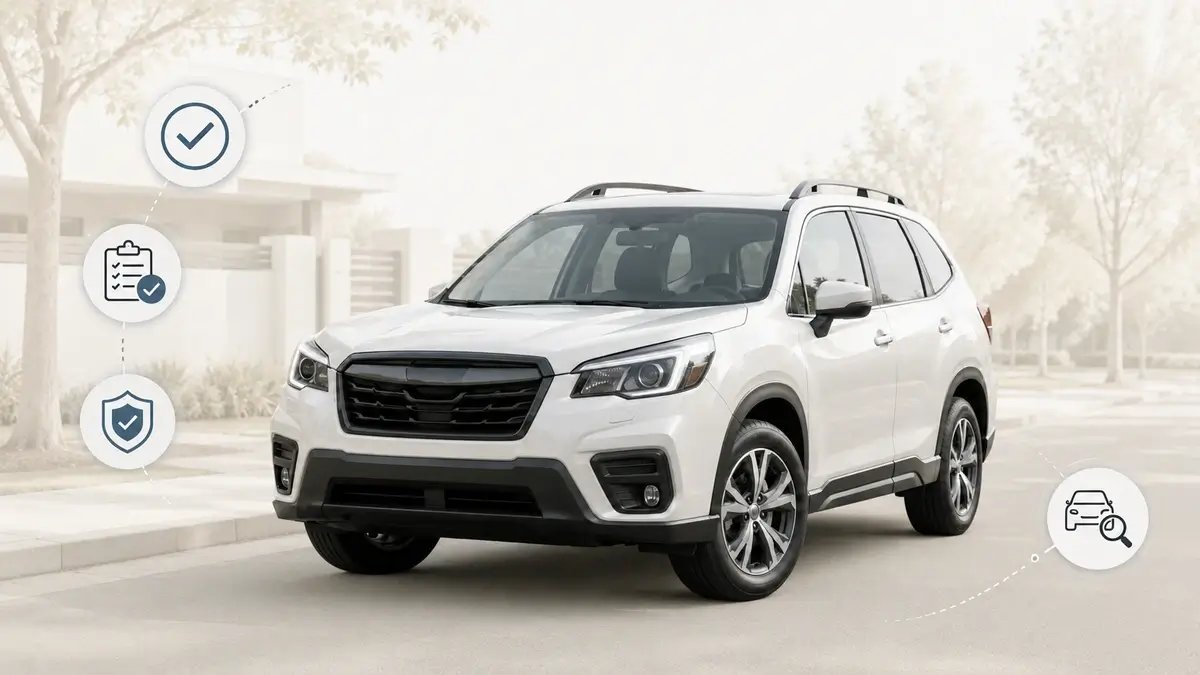
The Subaru Forester is a well-known compact SUV, but it has had some unreliable model years over its history. To avoid expensive repairs, you should be careful with the first generation from 1998 to 2001, the 2003 and 2006 models, the 2009 and 2010 years, and the 2014 and 2015 versions. Problems like head gasket failure, excessive oil consumption, and transmission issues have plagued these specific years. While newer models are generally more dependable, even recent versions like the 2019 model faced concerns with windshield cracking and battery drain. If you want the most reliable experience, the presenter suggests sticking to years where these major mechanical issues were resolved, such as the 2018 or 2020 and newer models.
Choosing a Reliable Forester Model
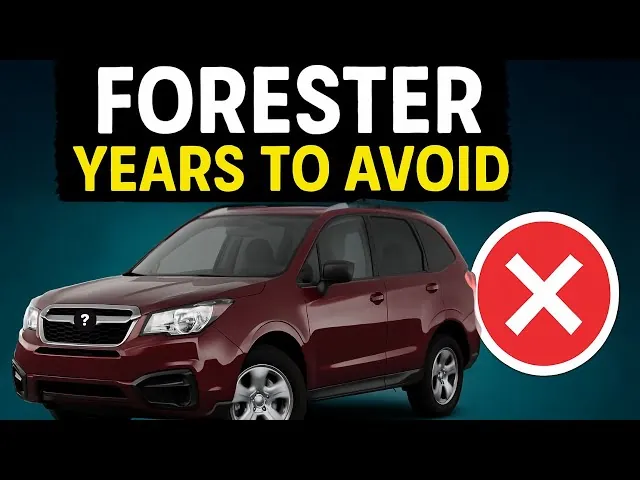
| Generation | Best Years | Years to Avoid |
|---|---|---|
| 1st (1998–2002) | – | 1998–2001 |
| 2nd (2003–2008) | 2004, 2005, 2007 | 2003, 2006 |
| 3rd (2009–2013) | 2011–2013 | 2009, 2010 |
| 4th (2014–2018) | 2018 | 2014, 2015 |
| 5th (2019–Present) | 2020+ | 2019 |
Comparing Forester Reliability Issues
Why do head gaskets fail so often?
Head gasket failure is a famous issue for earlier Subaru models. The presenter notes that these parts were weak in the first generation, often failing between 60,000 and 100,000 miles. This damage can lead to engine overheating, oil leaks, and coolant leaks.
In the worst cases, it results in total engine failure. Repairing this isn’t cheap; it can cost upwards of $2,000. Because this was such a common problem, the presenter warns that you should only buy these early models if you have proof that the head gaskets were already replaced.
What is the problem with oil consumption?
Beginning with the third iteration and the debut of the FB25 motor, numerous motorists complained about excessive oil consumption. Certain operators noted needing to top off their oil supply after every 1,000 miles traveled. This complication persisted and intensified during the 2014 production cycle.
The host notes that the defect was prevalent enough to trigger a class-action legal challenge against Subaru, forcing them to lengthen coverage periods for particular powerplants. It continues to be a significant source of irritation for individuals owning those particular vehicle editions.
Are there transmission and sensor concerns?
The 2014 and 2015 models are noted for having significant trouble with the continuously variable transmission, or CVT. Owners reported a “rubber band” feel when accelerating, as well as jerking or hesitation. Some even faced complete transmission failure. Additionally, the 2015 model had dangerous issues with the passenger airbag sensor. The sensor would falsely turn off, which the presenter highlights as a serious safety concern for anyone sitting in the passenger seat.
What about windshield and battery issues?
Even in newer models, quality control problems persist. The 2017 and 2019 models saw hundreds of reports about windshields that cracked spontaneously. The presenter explains that Subaru used a thinner glass design to save weight, which caused the glass to crack under minor stress or in cold weather. Additionally, some 2019 models suffered from battery drain and glitches in the driver assistance systems. While these aren’t as severe as engine failures, they’re still frustrating and costly for owners to fix.
Which Forester should you buy?
If you’re looking for a reliable used SUV, then you should prioritise the 2018 model or any vehicle from 2020 and later.
For those interested in the fourth generation, the 2018 model serves as the “silver lining” because it had fewer complaints and better reliability than the years before it. If you prefer a newer car, the 2020 and later models are the best choice. The presenter notes that by 2020, Subaru had addressed many of the issues found in the 2019 redesign.
The engines are more refined, and the CVT issues are minimal. While there was a minor fuel pump recall for 2020 and 2021, the presenter mentions this is an easy fix covered by the manufacturer. Avoid the 2019 model if you can, as it represents the first year of a new design and comes with more frequent complaints.
Frequently Asked Questions
Are 2009 and 2010 Foresters safe to buy?
No, the presenter advises against these years. They’re considered some of the most problematic in the model’s history. These years suffered from serious engine failures and ongoing head gasket issues. Additionally, most of these vehicles were part of a major Takata airbag recall, where faulty inflators could explode and release metal fragments. The 2010 model specifically received very low reliability ratings from industry sources like Consumer Reports, and there was a high number of serious complaints logged by owners during this period.
Should I worry about the 2014 Forester?
Yes, you should avoid the 2014 model entirely. The presenter calls it the worst Subaru Forester ever produced. It suffers from a dangerous combination of severe oil consumption, transmission failures, and broken coil springs. Many owners reported needing to add multiple quarts of oil between changes, sometimes very early in the vehicle’s life. The transmission also frequently exhibited hesitations or “rubber band” sensations. Because of these high repair costs and reliability concerns, it’s a model year that the presenter strongly recommends steering clear of.
Is the 2019 Forester a good choice?
It’s better to avoid the 2019 model if possible. While it features a newer design and improved safety technology, it was the first year of its generation and came with “first-year” problems. The most common complaint is the windshield, which is prone to cracking because of a thinner glass design. Owners also reported issues with battery drain and glitches in the EyeSight driver assistance systems. While these problems are less severe than the engine failures of older generations, they still cause frustration. The 2020 and newer models are recommended because they fixed these early issues.
Are there any recalls I should check?
Yes, you must check for open recalls on any used Forester you consider. The video specifically mentions the Takata airbag recall for the 2009 to 2013 generations. There was also a fuel pump recall for 2020 and 2021 models. The presenter notes that these recalls are important to address for safety. Before you finalize any purchase, you should verify that the previous owner or a dealership has completed all necessary recall repairs. These fixes are generally handled by the manufacturer, but they aren’t something you should ignore when looking at a used vehicle.
Researching the history of the model year you want is the best way to protect your budget. If you’re currently shopping for a vehicle, focus your search on the years that the presenter identified as the most dependable, such as 2018 or 2020 and newer. These models allow you to enjoy the benefits of the Forester without the risk of major engine or transmission failures. Always check for completed recalls before you hand over any money. Taking the time to verify the condition of the car now will save you from paying for expensive repairs later.
