

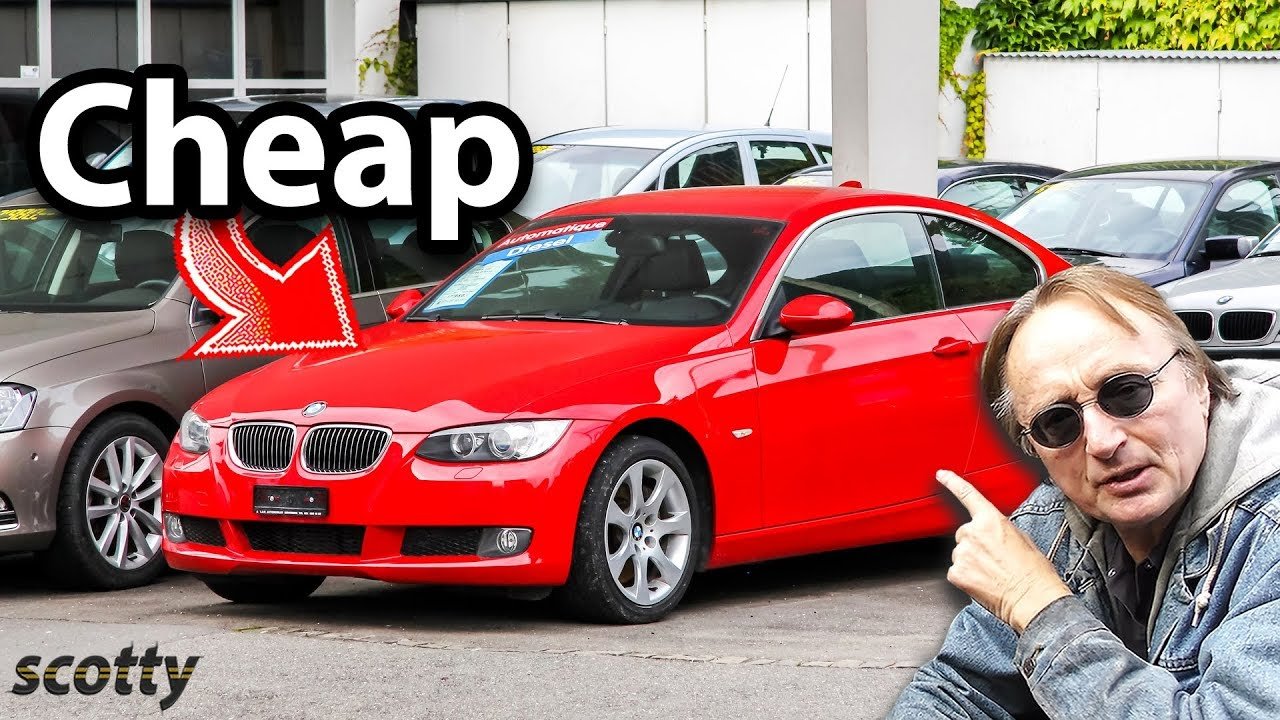
Used BMWs often sell for a fraction of their original price because of a combination of rapid depreciation, high maintenance costs, and market supply. Within five years, these vehicles can lose 60% to 70% of their initial value. While a car might have cost $60,000 new, it could be listed for under $25,000 just a few years later. This price drop occurs because the market is flooded with off-lease vehicles, and buyers often fear the long-term reliability and expensive repair requirements associated with older luxury German engineering.
Factors Influencing Used BMW Pricing

| Claim | Support | Firmness |
|---|---|---|
| BMWs lose 60-70% value in 5 years | The presenter’s data | Flat |
| Leasing creates a flooded used market | The presenter’s analysis | Flat |
| Maintenance costs are significantly higher than economy cars | The presenter’s comparison | Flat |
| Reliability concerns lower market demand | The presenter’s observation | Hedged |
| Complex engineering makes repairs more expensive | The presenter’s technical view | Flat |
Rapid Depreciation and Market Supply
The presenter explains that BMWs lose value much faster than average vehicles. A primary driver for this is the popularity of leasing. Because many new BMWs are leased for 2 or 3 years, a constant stream of these cars returns to the market. This creates a high supply, which forces prices down to stay competitive.
Furthermore, luxury buyers typically prefer the newest technology and styling. This preference causes demand for older models to soften quickly. When supply is high and buyer interest in older features is low, the resale value drops significantly.
High Costs of Maintenance and Repair
Owning a BMW after the warranty expires is a major financial factor. The presenter notes that these cars are built for performance, not for simple maintenance. Basic tasks like oil changes can cost over $200 at a dealership, compared to $50 for other brands.
Repairs are also costly because the engines are tightly packed. Mechanics often must remove several components just to reach the part that needs fixing, which increases labor time and costs. Finding an independent shop is difficult, as many require specialized tools and diagnostic software specific to German engineering.
Engineering Choices and Long-Term Reliability
The focus on sporty handling, responsive steering, and precise driving feel requires complex components and tight tolerances. While these design choices provide a satisfying experience, they lead to more wear and tear over time.
BMW doesn’t share the same reputation for high-mileage longevity as brands like Toyota or Honda. These cars are built for performance, not for lasting 200,000 miles with minimal care. Specific issues like oil leaks, faulty sensors, and suspension problems are common.
Tightly engineered engines often require removing other parts just to access basic components, which inflates labor costs. Because these systems demand specialized tools and diagnostic software, you’re often forced to use a dealership rather than a local shop. These known issues create a cycle where buyers hesitate to purchase older models, further driving down prices. If you expect perfection, you’ll be disappointed; if you plan for these inevitable repairs, the price makes sense.
The Impact of Buyer Psychology
Fear plays a significant role in why these cars are priced low. Many potential buyers have heard stories about catastrophic repair bills or constant electronic issues. These concerns, often fueled by online forums and videos, create a perception of risk.
Because many buyers look for practical, dependable daily drivers, they avoid vehicles that might require expensive repairs. This hesitation forces sellers to lower their prices to attract interest. For the average driver who wants a car that starts every morning without drama, the perceived risk often outweighs the luxury experience.
What the Video Leaves Open

The presenter identifies several areas that remain uncertain or outside the scope of the discussion:
- Specific regional differences in repair costs or registration fees aren’t provided, as these vary by location.
- The video doesn’t offer a checklist of specific maintenance records or inspections a buyer should demand before purchasing.
- There’s no information regarding the specific insurance premium differences between a used BMW and a comparable non-luxury vehicle.
- The presenter doesn’t provide a guide on how to identify which independent mechanics are qualified to work on German engines.
- The video doesn’t explain the exact process for finding reliable DIY guidance online, leaving the effort required for self-maintenance unquantified.
Frequently Asked Questions
Are all used BMWs unreliable?
Not necessarily. The presenter notes that some models and engines are more reliable than others. Specifically, the inline-six engines are often described as stronger and more predictable than the turbocharged four-cylinder or V8 options. While some older BMWs can reach high mileage, the presenter emphasizes that doing so usually requires dedication, a significant budget for maintenance, and a good amount of luck. Success stories exist, particularly when the previous owner kept full service records and maintained the vehicle carefully.
Can I save money by doing my own repairs?
Yes, some enthusiasts manage costs by performing their own maintenance. The presenter explains that these owners often buy parts online and use forums for guidance to keep their vehicles running. This approach can make owning a used BMW a gateway into luxury driving at a lower price point. However, this is generally recommended only for those who are interested in the mechanical side of car ownership and understand the risks involved in maintaining a complex machine.
Do I really need to use premium gas?
Yes, BMWs require premium fuel. The presenter identifies this as an added expense that occurs every time you visit the gas station. When you combine the cost of premium fuel with higher insurance rates, expensive maintenance, and potentially higher registration fees, the total cost of ownership increases. This is a contributing factor to why many buyers are turned away from the brand, as the initial low purchase price doesn’t reflect the ongoing expenses required to keep the car on the road.
Before you decide to purchase a used BMW, take a moment to consider your goals for the vehicle. If you’re a car enthusiast who enjoys working on engines and understands the necessity of regular, high-quality maintenance, the lower market price can be a great opportunity. However, if you’re looking for a simple, low-cost daily driver, you should account for the long-term repair costs and the potential for mechanical issues. Research specific engine types and ensure you have a budget set aside for unexpected repairs before finalizing any deal.
