

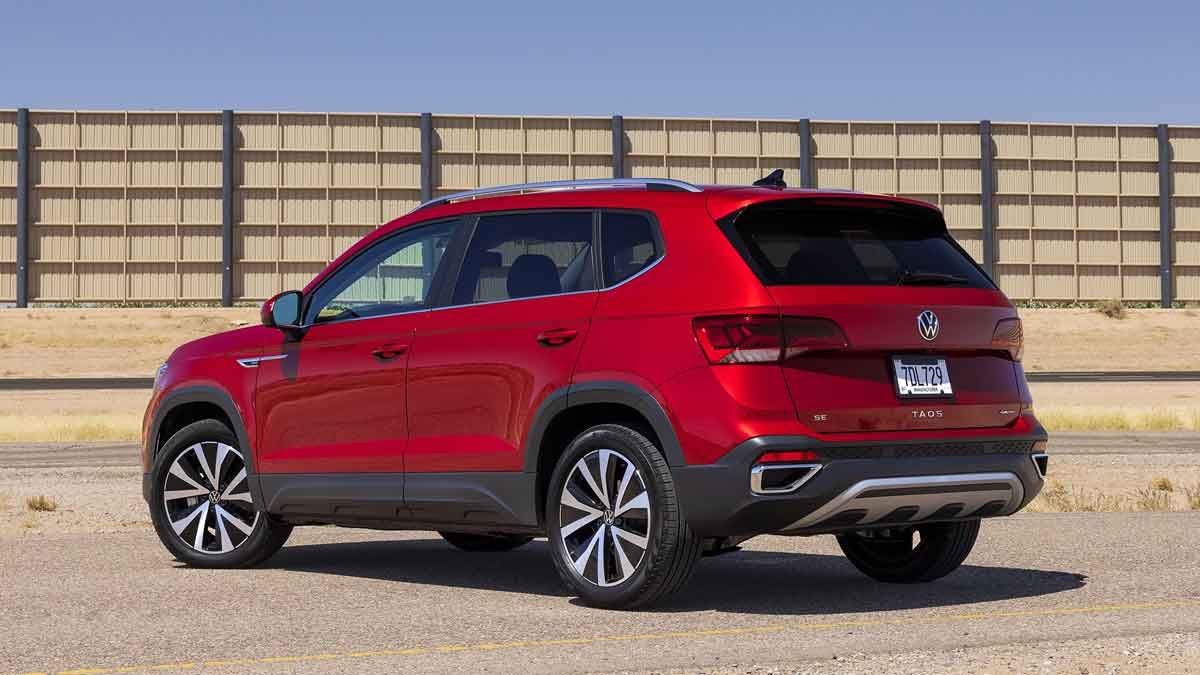
By 2025, several vehicles have earned reputations as automotive disasters due to poor reliability, mechanical failures, and design flaws. The list of models to avoid includes the Chrysler 200, Dodge Dart, Fiat 500L, Jeep Cherokee KL, Mitsubishi Mirage, third-generation Ford Focus, second-generation Nissan Titan, and the Cadillac ELR. These cars are often characterized by significant transmission issues, subpar build quality, and low resale values. Many of these models faced numerous recalls or were discontinued after failing to meet consumer expectations or sales targets. Industry experts and owners alike have largely abandoned these vehicles, turning them into cautionary tales of modern automotive engineering failures.
How to identify a failing car model
If a vehicle suffers from chronic mechanical issues or persistent transmission failures, then it’s a model that buyers should avoid. The presenter suggests that the most reliable way to judge these cars is by their track record in the real world. For example, the Chrysler 200 and the third-generation Ford Focus both became infamous for transmission problems that led to recalls and legal settlements. The presenter notes that these issues often persist even after multiple repair attempts or software updates.
When evaluating these vehicles, the walkthrough highlights that even models with attractive designs or initial hype, such as the Cadillac ELR, can turn into financial burdens. The presenter explains that the Cadillac ELR failed because its high price tag didn’t match its performance, which was similar to a much cheaper hybrid car.
Similarly, the Fiat 500L gained a reputation as one of the most unreliable cars ever tested, with owners reporting everything from peeling paint to engine failure. The presenter concludes that when a car consistently strands its owner or requires expensive, repeated repairs, it’s best to stay away.
Strengths that couldn’t save these models
The Dodge Dart was initially praised by critics for its solid chassis tuning, but that goodwill evaporated the moment drivers stepped on the gas. The car proved too heavy for its engines, resulting in an underpowered base model and a turbo variant plagued by lag.
The Chrysler 200 was marketed with glossy advertisements that generated high initial interest, yet it quickly became a ghost on the road. Its abysmal build quality and recurring transmission gremlins meant that even rental companies offloaded them by 50,000 miles.
The Fiat 500L offered a practical design that aimed to serve as a trendy family hauler, but its bulbous proportions and disastrous reliability record left owners stranded.
The Mitsubishi Mirage attracts budget-conscious buyers with one of the lowest new car prices and high fuel economy. These perks mask a weak 78-horsepower engine and poor crash test ratings that make the car a risky, unrefined choice for daily commuting.
The Ford Focus third generation featured European-style handling and an attractive design, yet it was crippled by a flawed dual-clutch transmission. Owners faced shuttering and hesitation that often required expensive repairs before the car reached 30,000 miles.
The second-generation Nissan Titan offered a powerful V8 engine and a high towing capacity, but it failed to distinguish itself from domestic rivals. It remained painfully average, ultimately struggling to win over brand-loyal truck buyers who demanded more than just a badge.
Reasons these vehicles failed
- The Chrysler 200 suffered from abysmal build quality and a cramped backseat that punished passengers.
- The Dodge Dart was too heavy for its engines, leading to underpowered performance and soggy handling.
- The Fiat 500L earned the worst reliability rating from testers in 2016 due to engine and electronic failures.
- The Jeep Cherokee KL was plagued by a transmission that caused the car to stall or drop into neutral while driving.
- The Mitsubishi Mirage is considered unrefined and unsafe, with a weak engine that struggles to reach highway speeds.
- The Cadillac ELR failed because it was priced as a luxury vehicle despite using technology found in much cheaper cars.
Who should avoid these specific cars
The presenter thinks these cars are generally for nobody, especially in the 2025 used car market. If you’re a buyer who needs a dependable vehicle for daily commuting, you should skip all eight of these models. The presenter suggests that these cars have become “pariahs” on used car lots because they’re known for frequent repair shop visits rather than reliable transportation.
Shoppers who prioritize safety should be particularly wary, especially with the Mitsubishi Mirage and the Jeep Cherokee KL. The presenter notes that the Cherokee’s tendency to stall in traffic or shift into neutral at speed is a safety risk that owners simply couldn’t trust. Similarly, the Mirage has dismal crash test ratings and light construction that concerns many potential buyers.
If you’re looking for a truck, the presenter advises that the Nissan Titan failed to compete with the major domestic brands and lacked the refined interior or dealer network that truck owners expect. Ultimately, anyone seeking value or longevity should look elsewhere, as the presenter warns that these cars are often “driven into the ground” or avoided due to their poor reputation.
Frequently Asked Questions
Why did the Ford Focus transmission fail so often?
The presenter explains that the third-generation Ford Focus used a power-shift dual-clutch automatic transmission that was intended to improve fuel efficiency. Instead, this specific component caused chronic shuttering, jerking, and hesitation when the car started from a stop. These problems often appeared before the car reached 30,000 miles and were expensive to fix, with costs often hitting around $1,500. Even after multiple software updates or clutch replacements, the issues frequently returned, which led to lawsuits and a damaged reputation for the model.
Is the Mitsubishi Mirage actually a good deal?
Although the Mirage is promoted as a budget-friendly vehicle with impressive gas mileage, the host contends that it represents a poor value. This automobile contains a small three-cylinder motor producing just 78 horsepower, which makes it difficult to keep up with freeway traffic. Drivers frequently mention a shaking motor, ineffective climate control, and an interior filled with road noise. Due to its lacklustre safety scores and flimsy construction, the host suggests that buyers select a reliable pre-owned vehicle rather than purchasing a brand-new Mirage.
What happened to the Jeep Cherokee KL?
The fifth-generation Jeep Cherokee KL was intended to be a modern crossover, but it suffered from a problematic ZF nine-speed transmission. The presenter notes that Jeep issued over 11 software updates to try and fix the gearbox, but the car continued to experience rough shifting and stalling. Because the vehicle could randomly drop into neutral while at speed, it became a major safety concern for owners. Jeep eventually ended production of the Cherokee in early 2023.
Why was the Cadillac ELR considered a failure?
The Cadillac ELR failed primarily due to its value proposition. It was a luxury coupe priced at $75,000, yet it used the same plug-in hybrid technology found in the much cheaper Chevrolet Volt. The presenter explains that it wasn’t fast or revolutionary, leading to poor sales. Even after Cadillac slashed the price by $10,000, the market for the vehicle had already vanished as newer, more capable electric cars like the Tesla Model S became available.
The automotive industry is competitive, and these eight models highlight the risks of ignoring consumer needs or releasing flawed technology. Whether it was the Chrysler 200’s poor build quality, the Ford Focus’s transmission issues, or the Cadillac ELR’s mismatched price and performance, each of these cars struggled to maintain the trust of their buyers. By 2025, these vehicles are largely considered relics of a difficult decade in car manufacturing. If you’re currently in the market for a vehicle, the most important action you can take is to research the long-term reliability of a model before you commit to a purchase. Pay close attention to consistent owner complaints and recall history, as these are often the best indicators of a car that might lead to future headaches.
