


Most modern diesel engines do best with an oil change every 5,000 to 7,500 miles — that’s roughly 8,000 to 12,000 km. That range sits below what many owner’s manuals print, and the presenter says experienced diesel drivers and mechanics treat it as the real sweet spot. Synthetic oil has improved a lot, but a diesel still runs hotter, makes more soot, and puts more stress on its oil than a gasoline engine does. Getting to 300,000 miles instead of replacing an engine at 100,000 miles comes down to habits like this one.
Why 5,000 to 7,500 miles beats the manual’s number
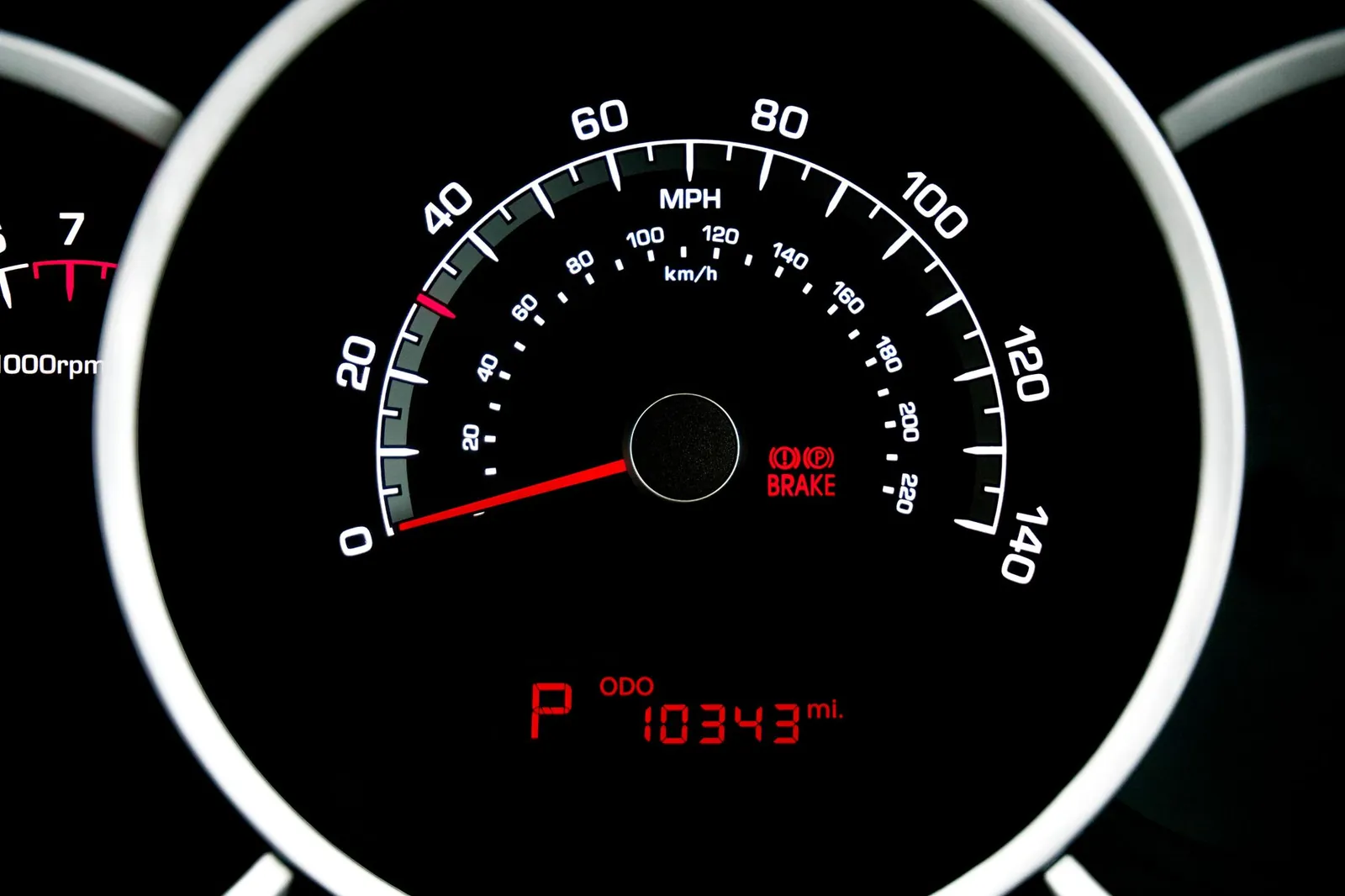
The manual may tell you 10,000 miles, or even 15,000 miles, between changes. The presenter doesn’t argue that modern synthetic oils are advanced — he agrees they are. His point is that a diesel works the oil harder than a gasoline engine ever does. Higher compression ratios and turbocharging mean more heat, more soot, and more stress on the oil itself.
That’s the trade the manual’s number hides. Stretching changes out to the maximum the manufacturer allows can save money in the short term, and the presenter says it often leads to expensive problems later. The oil is doing more work than a gasoline engine asks of it, so it wears out sooner than the interval suggests.
Premium diesel oil costs more than regular oil. Changing it more often is the other half of the deal, and the presenter names what that buys you: a clean injection system, less premature turbocharger wear, and better overall engine protection. Those aren’t separate repairs you chase one at a time — they’re what a fresh oil fill keeps in good shape.
The part he stresses most is consistency. Pick a number inside that 5,000 to 7,500 mile range and stick to it. Don’t drift up when money is tight and down when you feel generous. The interval only works if it’s the same interval every time.
Your driving decides where in the range you land. If you tow a lot, drive in dusty conditions, or spend your time in stop-and-go traffic, lean toward the lower end. Those conditions are exactly the ones that push oil harder, so they pull your number down toward 5,000 rather than up toward 7,500.
Nothing in the range is a guess you make once and forget. It’s a choice you make about your own driving, and then a promise you keep to the engine.
Short trips quietly damage a diesel engine
If your diesel mostly does short trips around town, the presenter says you’re slowly killing it. That sounds dramatic, but the reason behind it’s simple. Diesel engines are built for sustained, high-temperature operation. When they don’t get that regularly, problems start to pile up.
On a short trip, the engine never reaches its optimal operating temperature. Combustion isn’t complete when the engine stays cool. Three things follow from that: carbon builds up in the intake system, the diesel particulate filter clogs, and unburned fuel dilutes the engine oil — what the presenter calls wet stacking.
Veteran motorists refer to this remedy as the Italian tuneup. Once every seven days or so, take your diesel onto the freeway and keep the revs high for a good while. The aim is to bring the engine to its normal running heat and keep it there for a minimum of fifteen to twenty minutes. That means a continuous stretch of driving, not a brief sprint up an entrance ramp.
What does that run actually do? The presenter says it burns off the deposits, regenerates the particulate filter, and keeps the turbocharger spinning freely. After a good highway run, he says the engine runs smoother, more efficiently, and with noticeably better power.
What he recommends goes against the way many owners handle a diesel. Don’t hesitate to put the engine to work. These powerplants are designed to withstand prolonged heavy demand. It’s the endless coddling — those nonstop brief journeys that never allow the engine to reach proper temperature — that does the greatest harm over time.
So the weekly highway run isn’t a treat for the truck. It’s maintenance, the same as an oil change, and it’s the one item on this list that costs you nothing but time and fuel.
Let the turbo cool down before you shut it off
Most diesel vehicles today have a turbocharger, and the presenter says this is where a lot of drivers set themselves up for costly repairs without knowing it. The habit that prevents it’s short: after any high-stress driving, let the engine idle for 30 to 60 seconds before you turn it off. That’s the turbo cool down protocol.
High-stress driving means driving hard, towing heavy loads, or doing sustained highway miles. After any of those, the turbo is extremely hot. It also spins at incredible speeds — the presenter puts it at 150,000 to 250,000 RPM.
Shut the engine off right away and you cut oil circulation while the turbo is still spinning fast and still hot. The oil around the turbo bearings cooks and forms deposits. Those deposits eventually lead to bearing failure. The idle period lets the turbo slow down while oil is still flowing, which is what prevents that heat-related damage.
The bill you’re avoiding is a turbocharger replacement, which the presenter says typically costs thousands. Set against 30 to 60 seconds of idling, that’s an easy trade.
A lot of newer cars include turbo timers as part of their engine management software. The presenter’s guidance isn’t to depend on that feature by itself. Turn the cool down into something you do automatically, particularly following towing, driving in mountains, or any other situation where you’ve been working the engine hard.
Professional drivers who haul heavy loads follow this one closely. The presenter says it’s not uncommon to see their turbochargers last 300,000 miles or more with that kind of care. Same part, same engine — the difference is the minute they give it before shutting down.
Wait for the glow plug light, every single time
Getting a diesel going the right way is a skill many motorists never pick up, particularly when it’s cold. Petrol engines fire the fuel with spark plugs. Diesels depend on compression and glow plugs instead. There’s a correct method and an incorrect method for using that setup, and the ironclad rule seasoned drivers trust is straightforward: always hold off until the glow plug indicator has gone dark entirely before attempting to start.
It sounds obvious. The presenter says you’d be surprised how many people rush it, especially when they’re running late. Rushing the cycle is where hard starting, excessive white smoke, and unnecessary wear on internal components come from.
When the weather is mild, a single glow plug cycle typically does the job. In severe cold, there’s a trick the presenter refers to as the professional secret: run the glow plugs through two cycles before starting. Turn the key to the on position. Wait until the glow plug light switches off. Turn the key back to off. Then go through the entire sequence again before turning the engine over.
The double cycle warms the combustion chambers more completely, which the presenter claims greatly boosts your odds of an easy start in freezing conditions. It also puts less strain on the starter motor and the battery — both of which have to work much harder when trying to fire up a cold diesel.
Some experienced drivers in extremely cold climates cycle three times before starting. Two cycles are usually enough for most conditions, so the third is for the worst cold rather than the everyday case.
The thread running through all of it’s patience. Waiting out the glow plug cycle is what prevents the hard starts and the white smoke, and it’s what keeps the wear off the parts inside the engine that are expensive to reach.
Never run a diesel fuel tank low
The presenter describes this as the error legions of diesel owners commit again and again, and he doesn’t soften it: never let it become routine to drive your diesel down to empty, or even close to it. It’s not just about steering clear of a long walk to the pumps. It’s about safeguarding the priciest components of the fuel system.
Diesel does two jobs in your vehicle. It’s the energy source for combustion, and it also acts as a coolant and a lubricant for the fuel injection system. Modern injection systems run at incredibly high pressures — the presenter puts common rail systems at 25,000 to 30,000 PSI.
Run low on fuel and several bad things happen at once. The fuel pump starts sucking air along with the fuel, which can cause vapor lock and erratic fuel delivery. Without enough fuel to cool and lubricate the injection pump, temperatures rise and wear speeds up dramatically. Running out of fuel entirely can damage the injection pump, and the presenter says that can cost thousands to replace.
The habit that avoids all of it: keep at least a quarter tank at all times, and never let the level drop below an eighth of a tank. That keeps fuel pressure consistent, keeps the injection components cooled properly, and removes the risk of sucking sediment up from the bottom of the tank.
What the video leaves open

- The presenter never says how to find your own interval inside the 5,000 to 7,500 mile range beyond the general conditions he names. If you tow sometimes and commute sometimes, the video doesn’t tell you where in that range you land.
- The video says premium diesel oil costs more than regular oil, but it gives no price for either, and no cost for the more frequent changes it recommends.
- The 30 to 60 second turbo cool down is given as a range. The video doesn’t say how to choose between 30 and 60 seconds, or whether towing calls for the longer end.
- The glow plug double cycle is described for extreme cold, but the video never defines what temperature counts as extreme cold, or at what point a driver should add the third cycle.
- The video doesn’t say what to have on hand before you start any of this — no oil brand, no filter recommendation, no tools, and no way to check whether your driving already caused the carbon buildup, clogged filter, or wet stacking it describes.
Frequently Asked Questions
Does the oil change interval change if I tow a lot?
Yes. The presenter says to lean toward the lower end of the 5,000 to 7,500 mile range if you do a lot of towing, drive in dusty conditions, or spend your time in stop-and-go traffic. Those are the conditions that put the most stress on the oil. If your driving is easier than that, you can sit higher in the range. What matters most to him is that you pick a number inside the range and stick to it religiously rather than drifting around.
Can I skip the highway run if I don’t drive much?
Skipping it’s the thing the presenter warns against most for around-town drivers. A diesel used mainly for short trips never reaches optimal operating temperature, so combustion isn’t complete. That leads to carbon buildup in the intake, a clogged particulate filter, and unburned fuel diluting the oil. The fix he gives is at least one highway run a week, holding full operating temperature for 15 to 20 minutes.
Do modern turbo timers make the cool down unnecessary?
The presenter notes that plenty of newer vehicles do come with turbo timers integrated into the engine management system, yet he recommends against trusting that technology on its own. What he suggests is turning the thirty to sixty second idle into a routine you follow yourself, particularly after towing, mountain driving, or any circumstance where you’ve worked the engine hard. The explanation lies in the turbo’s speed and heat: stopping the flow of oil while it’s still turning is what burns the oil around the bearings.
How low can I let the fuel tank get?
The presenter’s answer is a quarter tank minimum at all times, and never below an eighth of a tank. Below that, the fuel pump can start pulling air along with fuel, which causes vapor lock and erratic delivery. The injection pump also loses the fuel it needs to stay cool and lubricated, so wear speeds up. Running out completely can damage the injection pump, which he says can cost thousands to replace.
What does the Italian tuneup actually fix?
It clears out the deposits that accumulate from short-trip driving, restores the particulate filter, and keeps the turbocharger turning without resistance. The presenter says that following a solid highway drive your engine will feel smoother, operate more efficiently, and deliver clearly stronger power. The catch is how long the drive lasts: normal operating temperature sustained for a minimum of fifteen to twenty minutes, not a brief burst of speed.
Why does the glow plug cycle matter so much in cold weather?
Diesels rely on compression and glow plugs for ignition, so the glow plugs are what make a cold start possible. Rushing the cycle is what causes hard starting, excessive white smoke, and unnecessary wear on internal components. In moderate temperatures one cycle is usually enough. For extreme cold, the presenter’s technique is to cycle twice — key on, wait for the light to go off, key off, then repeat before cranking.
Pick your oil change number now, inside that 5,000 to 7,500 mile range, based on how you actually drive. Write it somewhere you’ll see it, and treat it as fixed. That’s the habit the presenter returns to more than any other, and it’s the one that decides whether your diesel reaches 300,000 miles or needs an engine long before that. Everything else on the list — the weekly highway run, the idle before shutdown, the glow plug patience, the quarter tank — is easier once the oil interval stops being a decision you remake every time.
