

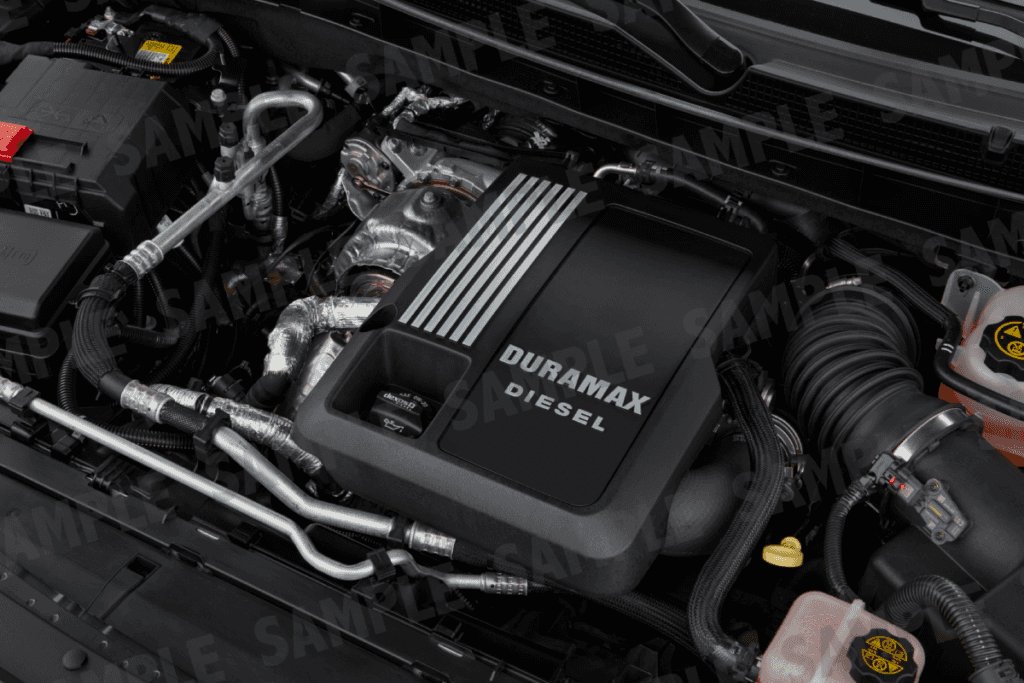
Diesel engines make more soot, pressure and combustion byproducts than gasoline engines, so the oil gets dirty faster. That’s why the video’s answer is simple: change the oil more often than the manual suggests, even when the manual lists longer intervals. Along with the oil, check four more things at the same time — the fuel filter, the air filter, the turbocharger hoses and intercooler connections, and the exhaust after-treatment system. The presenter calls these five simple habits that keep a diesel running stronger, longer and cheaper.
Change the oil every 5,000 miles, not 15,000

The host refers to engine oil as “the big one”, and soot is the reason why. Diesel engines don’t operate at higher temperatures than gasoline engines, yet they produce much more soot, pressure and combustion byproducts. This forces the oil to work harder and become contaminated more quickly.
Therefore, the extended intervals listed in certain contemporary manuals are, as the host puts it, essentially inviting faster wear. For a diesel, a shorter oil change interval is the ideal choice, regardless of what the manual says. That’s how you safeguard the pistons, the turbos, the bearings and everything else that depends on that thin layer of oil.
Inspecting the oil involves more than just reading a number on the dipstick. Every 5,000 miles, take out the dipstick and examine three things: the level, the color and the texture. Dark oil is typical for a diesel — that’s not the warning sign people assume it is. Thick sludge isn’t typical. If the oil feels gritty, or if it smells like unburned fuel, that indicates contamination. The host identifies two frequent causes: leaky injectors and excessive soot.
There’s also a spec to get right when you buy the oil. You want a diesel-rated oil, and the presenter names ACAC3 and APIK4 as the ratings to look for. Gasoline oil won’t cut it here. This is the one item the presenter says everything else depends on: protect the oil and the rest of the engine follows.
Check the fuel filter for water and dirt
Diesel fuel systems are extremely precise, and contamination is their greatest threat. Water, dirt or poor-quality diesel can quickly clog the filter and place strain on the injectors. The fuel filter is the component that sits between that contamination and the costly parts, and it’s the item the host says car owners overlook but diesel owners truly shouldn’t.
At every 5,000-mile check, listen and feel for the signs rather than waiting for a failure. The symptoms the presenter lists are hard starts, slow cranking, a rough idle, and hesitation when you accelerate. Any of those can point to a filter that’s starting to clog. If your filter has a water drain, use it — that’s what it’s there for.
The cost argument is the one the presenter repeats: a fuel filter is cheap, injectors are not. That’s the whole reason to look at the filter more often than the schedule demands.
Even if your maintenance schedule says the filter is good up to 10,000 or 20,000 miles, the presenter says inspecting it every 5,000 miles keeps small issues from turning into major ones. The schedule tells you when the part is due for replacement; the 5,000-mile inspection tells you what’s actually happening to it.
Hold the air filter up to the light
A neglected air filter ranks among the biggest performance killers on a diesel, since these engines depend on enormous quantities of clean air to operate efficiently. Anything that limits airflow causes the engine to burn fuel unevenly. The outcome, as stated by the host, is sluggish acceleration, poor fuel economy and darker exhaust smoke.
The check itself requires almost no tools. Every 5,000 miles, take out the air filter and hold it up to the light. If you can’t see light through it, your engine certainly can’t — that’s the host’s test, and it requires no gauge. While the filter is out, check for dust buildup, insects and torn edges. A torn edge is just as important as a clogged one, since it allows debris to pass straight through.
There’s a second reason to keep the air filter clean, and it isn’t about fuel economy. A clean air filter protects the turbo from ingesting debris.
That links this check to the next one: the same dirt that chokes the filter can end up in the turbocharger, and the turbo is the part you least want to replace. So the cheap paper element is doing double duty — one job for how the engine runs, one job for how long the turbo lasts.
Inspect the turbo hoses and intercooler connections
If you drive a diesel car, it’s very likely to be turbocharged. This means the entire power band relies on airtight pressure. Over time, the rubber hoses can crack, dry out or come loose at the clamps. When that occurs you get boost leaks, which the host describes as one of the most common yet most overlooked problems in diesel cars.
The signs of a boost leak are loss of power, unusual whistling sounds and increased fuel consumption. Every 5,000 miles, check the hoses by touch rather than by sight alone. Look for oil mist around the joints — the host says that frequently indicates a small leak. Inspect the clamps while you’re at it, and examine the intercooler for dents or evidence of excessive oil residue.
The payoff for catching a boost leak early is power you may not even realize you’ve lost. That’s the part owners miss. A slow leak doesn’t feel like a breakdown; it feels like the car getting older. The presenter’s point is that pressure lost through a cracked hose or a loose clamp is performance you already paid for, and a 5,000-mile inspection is how you get it back.
Watch the DPF and the DEF tank
The diesel exhaust after-treatment system is the final of the five checks, and it includes the DPF and, if the car has one, the DEF or AdBlue tank. The DPF gathers soot and burns it off during regeneration cycles. But if your driving consists mostly of short trips or city miles, those regenerations may not finish properly. That’s when soot accumulates faster than it can be burned away.
Every 5,000 miles, watch the car’s behavior. Loss of power, an unusually high idle, or sudden drops in fuel economy can all indicate a struggling DPF. Sometimes the solution is simple: take the car on a longer drive at highway speeds to allow a complete regeneration. Ignore it, and the DPF can clog to the point where cleaning or replacement becomes unavoidable and costly.
Don’t overlook the DEF or AdBlue tank. If your diesel uses it, check the level on a regular basis. When it becomes too low, the vehicle may restrict performance or eventually refuse to start until it’s refilled. The host describes this as a simple check that avoids an unnecessary headache — a warning about a fluid level, not a repair.
What to Act On First
Start with the oil. The presenter opens with it, calls it “the big one”, and returns to it at the end of the five checks, so it’s the item the video ranks first.
The reason is that the oil is what the pistons, turbos and bearings all rely on, and diesel soot contaminates it faster than a gasoline engine contaminates its oil. That’s why the presenter says a shorter interval is the sweet spot even when the manual claims longer ones.
The first action is small: pull the dipstick every 5,000 miles and read the level, the color and the texture. Dark oil is fine. Gritty oil, thick sludge or a smell of unburned fuel is not, and that’s when you look at the injectors and the soot load. Then make sure the oil you pour in is diesel-rated — ACAC3 or APIK4 — because gasoline oil won’t do the job in a diesel.
If you only follow the long intervals in the manual, the presenter’s word for it’s that you’re practically asking for accelerated wear. The manual interval and the 5,000-mile habit aren’t the same instruction, and the video comes down on the side of the shorter one. So the dipstick check isn’t a replacement for the oil change. It’s what tells you whether the oil is still doing its job between changes.
The rest of the five follow the same shape: fuel filter, air filter, turbo hoses and intercooler connections, then the exhaust after-treatment system — the DPF and, if equipped, the DEF or AdBlue tank. Each one gets its own 5,000-mile check, and each one has a cheap early signal that turns expensive if you wait for a warning light instead.
What the Video Leaves Open

- The video doesn’t say how long the whole 5,000-mile check takes, or what tools and parts you need to have ready before you start. It describes each inspection, but not the preparation.
- It doesn’t give prices. The presenter says a fuel filter is cheap and injectors are not, and that a clogged DPF becomes expensive, but no figure is attached to any of it.
- It doesn’t say who shouldn’t do this. The checks are described for diesel owners generally, with no note on which cars, driving patterns or skill levels make a DIY inspection a bad idea.
- It doesn’t cover what to do when a check fails. The video names symptoms — grit in the oil, hard starts, no light through the air filter, oil mist at a joint, a DPF that won’t regenerate — but it doesn’t walk through the repair for any of them.
- The presenter leaves the deeper habits for another time. The bonus section mentions listening to the engine, watching fuel economy and driving patterns, but the video doesn’t say how to act on what you hear or measure.
Frequently Asked Questions
What oil rating should a diesel car use?
The presenter says to use diesel-rated oil and names two ratings: ACAC3 and APIK4. Gasoline oil won’t cut it in a diesel, so the rating on the bottle is a real check, not a formality. This matters because diesel engines create far more soot, pressure and combustion byproducts than gasoline engines, so the oil works harder and gets contaminated faster. The rating is separate from the interval — you still want a shorter change interval even with the right oil. The video gives the ratings to look for but doesn’t compare brands or explain what each rating means in detail.
Can I follow the oil change interval in my manual?
The presenter says no, and is direct about it. Some modern manuals list long intervals, and following those on a diesel is, in the presenter’s words, practically asking for accelerated wear. The recommendation is a shorter oil change interval no matter what the manual claims. The reason given is contamination: diesel soot and combustion byproducts build up in the oil faster than the long intervals assume. The video treats the manual’s number as a maximum for ideal conditions, not a target for a diesel owner who wants the engine to last.
What are the signs of a clogged fuel filter?
The presenter lists hard starts, slow cranking, a rough idle and hesitation when accelerating. Those are the signs to listen and feel for at each 5,000-mile check. The cause is contamination — water, dirt or low-quality diesel — clogging the filter and stressing the injectors. If your filter has a water drain, the presenter says to use it. The video also notes that even when the maintenance schedule says the filter is good up to 10,000 or 20,000 miles, inspecting it every 5,000 miles keeps small issues from becoming major ones. A fuel filter is cheap; injectors are not.
How do I know if my air filter is blocked?
Take it out and hold it up to the light. If you can’t see light through it, the host says your engine can’t either. While it’s out, check for dust buildup, insects and torn edges. A blocked air filter limits airflow, which causes the engine to burn fuel unevenly and results in sluggish acceleration, poor fuel economy and darker exhaust smoke. The video gives a second reason to keep it clean: a clean air filter shields the turbo from ingesting debris. That makes this one of the least expensive checks on the list, and one that protects a far more costly part.
What does a boost leak feel like?
Loss of power, unusual whistling sounds and increased fuel consumption. The host describes boost leaks as one of the most common yet most overlooked problems in diesel cars, and says the cause is rubber hoses that crack, dry out or come loose at the clamps over time. Since the whole power band relies on airtight pressure, a small leak costs performance you might not even realize you’ve lost. At each 5,000-mile check, inspect the hoses by touch and look for oil mist around the joints, which frequently indicates a small leak. Inspect the clamps and examine the intercooler for dents or excessive oil residue.
What happens if the DPF can’t regenerate?
Soot builds faster than it can burn away, and the DPF can clog to the point where cleaning or replacement becomes unavoidable and expensive. The presenter says short trips and city miles are the usual cause, because they don’t let regeneration cycles complete properly. Watch for loss of power, unusually high idle, or sudden dips in fuel economy. Sometimes the fix is easy — a longer drive at highway speeds allows a full regeneration. The video also covers the DEF or AdBlue tank: if the level gets too low, the vehicle may limit performance or refuse to start until it’s refilled.
The five checks only work as a habit, and the presenter’s point is that a diesel rewards the owner who looks before something breaks. None of the checks is difficult. Pull the dipstick, hold the air filter to the light, feel the turbo hoses, listen to the engine on a cold start, and glance at the coolant and the DEF level. Pick the one you’ve been skipping and do it at your next 5,000-mile mark. The presenter’s closing line is the whole argument: take care of your diesel, and it will take care of you.
