

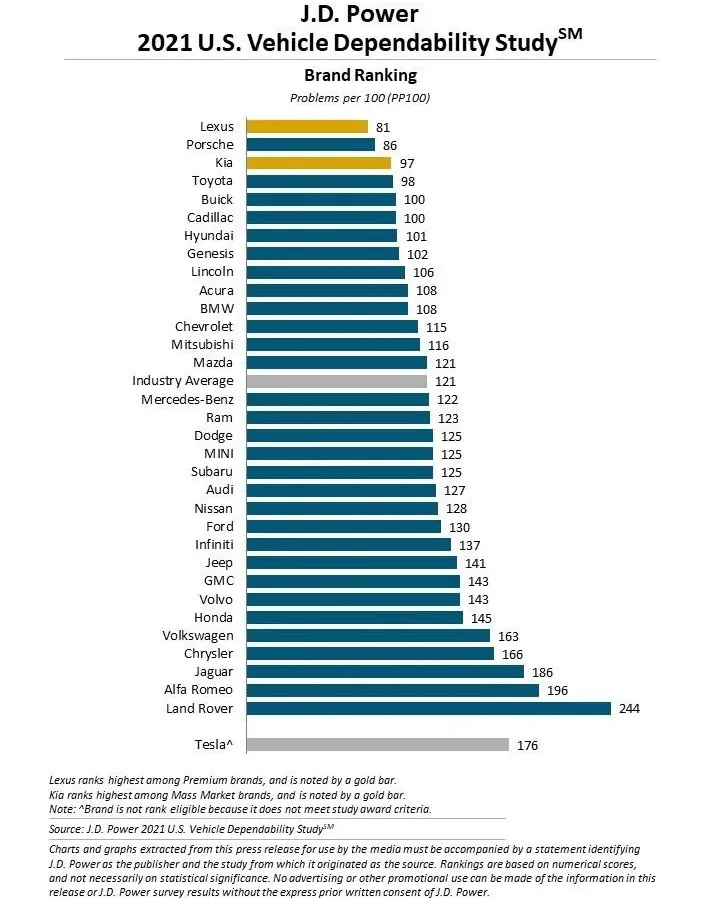
If you’re looking for alternatives to Honda, three brands—Subaru, Mazda, and Toyota—consistently outperform them in key categories like long-term durability, interior quality, and driving dynamics. Subaru now leads in reliability rankings, Mazda provides a more premium feel with better handling, and Toyota remains the industry leader for long-term vehicle life.
Comparing Top Alternatives to Honda
| Feature | Subaru | Mazda | Toyota |
|---|---|---|---|
| Primary Strength | All-weather capability | Driving experience | Long-term durability |
| Reliability Rank | Top (Consumer Report) | Near top (6-7 years) | High (70% clean records) |
| Interior Quality | – | Class-leading | – |
| Hybrid Tech | – | – | Four generations perfected |
Why These Brands Outperform Honda
Which brand offers the best all-weather performance?
The presenter identifies Subaru as the standout choice for drivers who need confidence in difficult weather conditions. While Honda has only recently started to prioritize all-wheel drive, Subaru has spent decades perfecting their standard symmetrical all-wheel drive system. This technology is included on virtually every model they sell.
Beyond the mechanical side, Subaru vehicles are designed for light off-road use, making them a better fit for owners who prioritize an outdoor lifestyle. Subaru’s top crash test marks make them a top-tier safety recommendation.
What makes Mazda a more premium option?
The walkthrough highlights that Mazda has moved into a near-premium space that feels a class above current Honda offerings. For buyers who want a more rewarding experience, Mazda focuses on steering feel, chassis balance, and overall driver engagement. The presenter notes that while Honda has slowly moved away from the sporty feel that once defined their cars, Mazda has doubled down on it.
Furthermore, when you step inside a new Mazda, you’ll find materials and design details that feel more upscale than those in similarly priced Hondas. By benchmarking premium brands, Mazda has created a luxurious lineup while maintaining high reliability ratings.
Why is Toyota the top choice for long-term value?
The presenter views Toyota as the definitive leader, especially when you look at the total life of a vehicle. While Honda performs well, Toyota vehicles are more likely to reach 200,000 or 300,000 miles. This is largely because Toyota has avoided the widespread transmission issues that have affected some recent Honda models.
Additionally, Toyota has a much stronger history with hybrid technology, having successfully refined it over four generations of the Prius. Toyota also offers a wider variety of models, including trucks and body-on-frame SUVs, where Honda has significant gaps in its lineup. Toyota vehicles are a better long-term financial proposition.
Which brand should you choose?
If you prioritize specific driving needs or long-term value, then you should look beyond the traditional Honda badge.
Choose Subaru if you live in an area with harsh weather and want a vehicle built for durability and outdoor adventure. Opt for Mazda if your goal is to find a car that’s genuinely fun to drive with an interior that feels expensive and well-crafted. Finally, pick Toyota if you want the most reliable vehicle for the long haul, especially if you’re interested in proven hybrid technology or need a specific type of truck or SUV that Honda doesn’t produce.
What the video leaves open

- The video doesn’t provide specific maintenance schedules or service costs for these brands, so it’s unclear how the long-term ownership expenses compare to one another.
- The presenter doesn’t mention the availability or wait times for these vehicles, so you would need to check local inventory for yourself.
- The video doesn’t explain how these brands compare in terms of fuel economy for their non-hybrid models, leaving that data for you to research separately.
- There’s no mention of the specific warranty coverage offered by these manufacturers, so you should consult the official brand websites for those details.
Frequently Asked Questions
Is Honda still a good car brand?
Yes, the presenter confirms that Honda still produces solid, reliable vehicles that serve millions of owners well. The video isn’t intended to bash the brand, as they maintain a strong reputation for practical engineering. However, the point is that the automotive landscape has changed. While Honda is still a dependable choice, other manufacturers have evolved to offer better performance, higher-quality interiors, and superior long-term durability in specific categories. You aren’t buying a bad car with a Honda, but you might find a better fit for your specific needs by considering these other manufacturers.
How does Toyota’s reliability compare to Honda?
The presenter notes that while both brands are excellent, Toyota currently holds an edge in long-term durability. Data analysis shows that while both brands have high numbers of vehicles with clean records, Toyota is more likely to reach higher mileage milestones like 200,000 or 300,000 miles. For a buyer who wants a vehicle they can keep for a very long time, the presenter suggests that Toyota consistently delivers a stronger overall package than Honda.
Are Mazda vehicles actually more reliable than Honda?
Throughout the previous six or seven years, Mazda has frequently placed among the leaders in dependability studies, regularly outperforming Honda. The host clarifies that this achievement is deliberate. Mazda pivoted from pursuing cutting-edge innovations to prioritizing straightforward engineering through established, trustworthy components. This tactical change propelled them to the peak of market evaluations. Should you desire a vehicle that offers both engaging performance and exceptional reliability, Mazda remains a premier choice.
Why is Subaru considered safer than other brands?
Subaru is highlighted for its commitment to occupant protection, consistently earning top marks in various crash tests. A major factor in this reputation is the EyeSight driver assistance system. When you combine this advanced safety technology with their standard all-wheel drive, which provides extra confidence in difficult weather, Subaru presents a very compelling alternative for safety-conscious drivers.
Before you make a final decision, consider which of these categories matters most to your daily life. If you need a vehicle that can handle rugged conditions, Subaru is your best bet. If you want a car that feels premium and handles well on the road, look at the current Mazda lineup. If your main goal is to own a car for many years with minimal mechanical trouble, Toyota remains the industry standard. Take a test drive and compare these strengths to see which brand aligns best with your personal requirements.
