

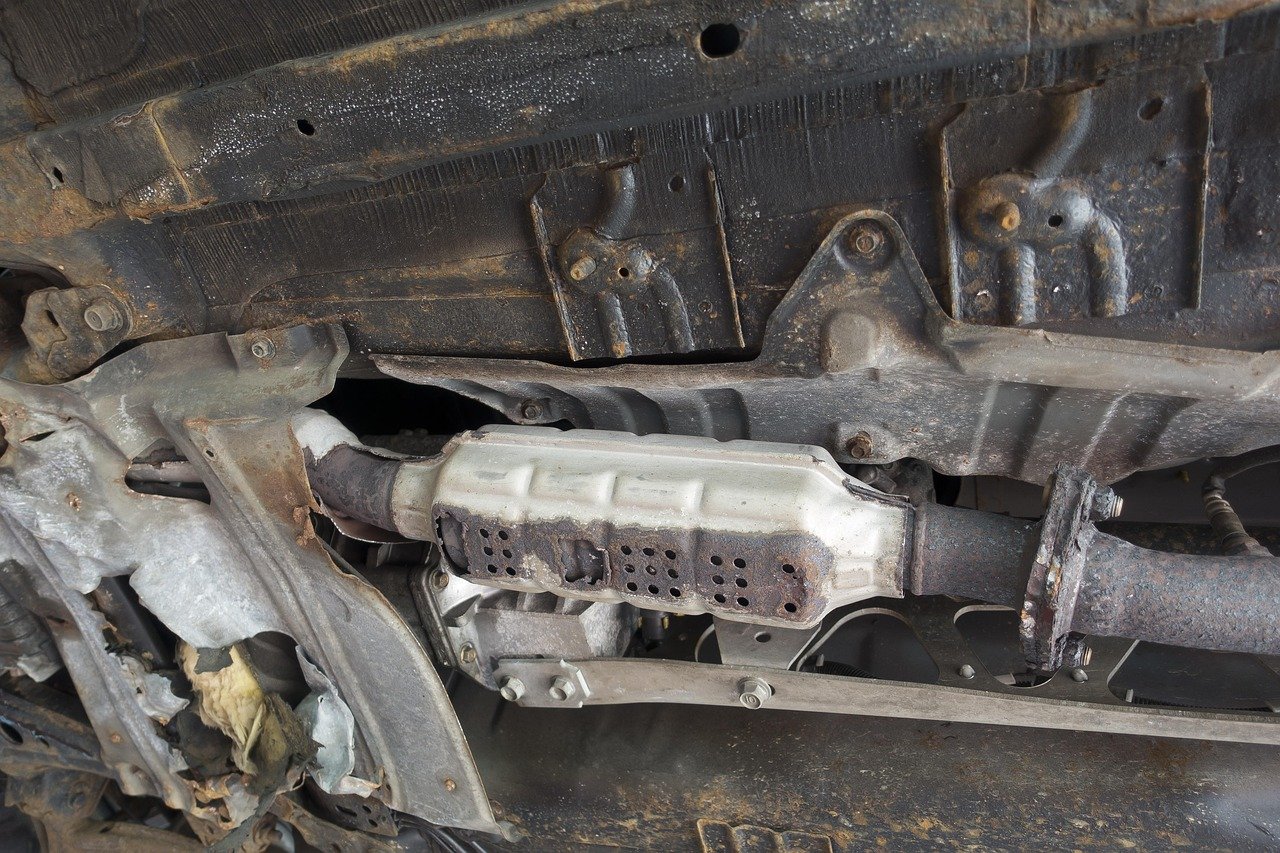
Diesel owners remove catalytic converters because the converter eventually becomes a restriction and a failure point. The presenter explains that the diesel oxidation catalyst works at very high temperatures, often above 760°C, and that heat plus soot can make it less efficient or break it apart inside. When that happens, back pressure robs power, fragments can travel downstream and damage other parts, and replacement runs from $500 to $4,000 depending on the vehicle. Removing it lets exhaust flow more freely, so the turbo spools faster and throttle response improves.
What to Know Before Removing a Catalytic Converter
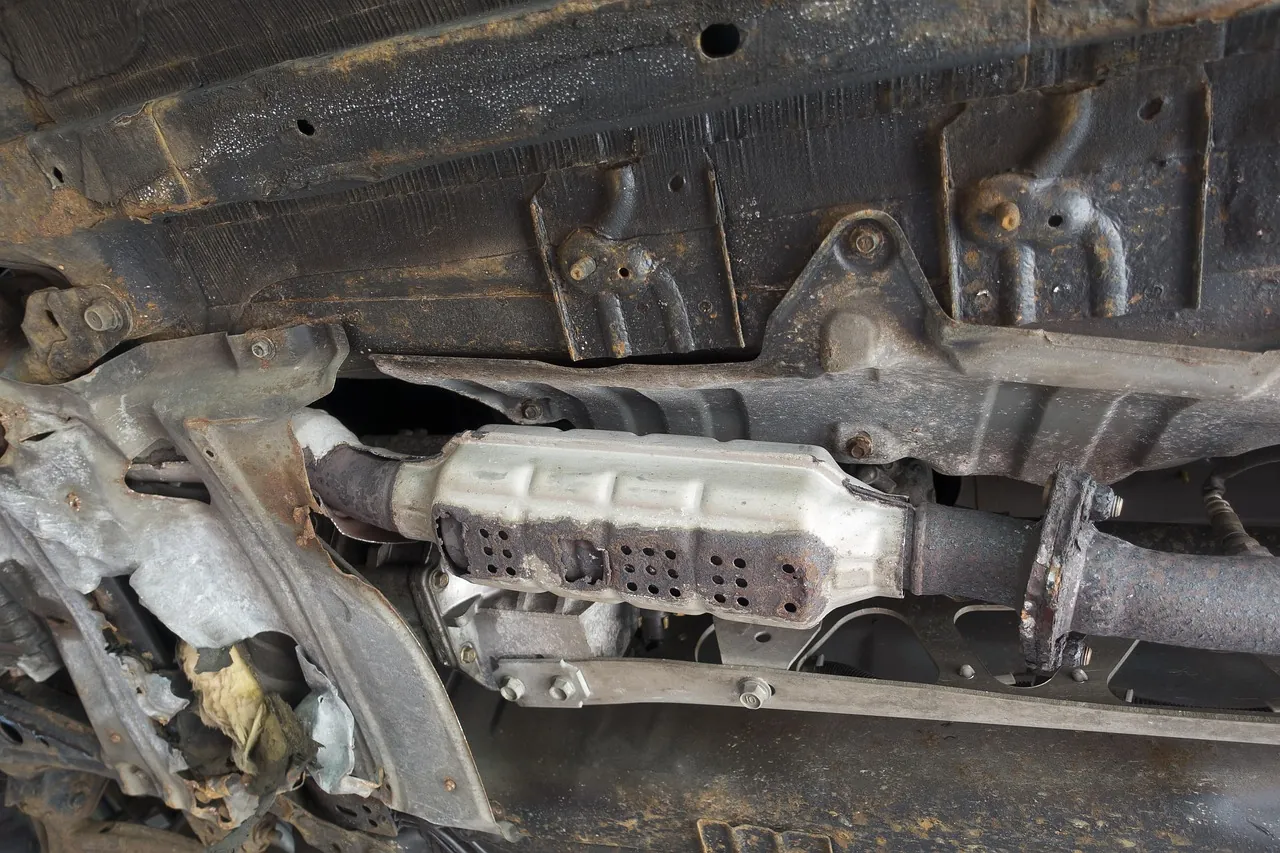
- The vehicle has to be off the street, because cat deletion is banned for street use in most places.
- You need to accept that emissions testing in most areas will fail a vehicle with no catalytic converter, which can make registration impossible.
- You should expect a check engine light and fault codes, because modern vehicles monitor converter efficiency through oxygen sensors.
- You should decide whether you like a deeper exhaust note, since the converter also acts as a muffler beside the mufflers.
- You need to know the replacement cost you’re avoiding: $500 to $4,000 depending on the vehicle.
- Know what you’re removing. The diesel oxidation catalyst uses precious metals like platinum and palladium to convert carbon monoxide and hydrocarbons into less toxic compounds.
- It lives a hard life. It operates at extremely high temperatures, often exceeding 760°C, and soot and particulates from diesel combustion can make the catalyst less efficient or cause it to fail completely.
- When a converter goes bad, it doesn’t just stop working silently. It produces back pressure that drains power from your engine, and it may crumble inside, releasing debris into the exhaust path that can wreck other costly parts.
- Once you remove it, the effect shows up right away. Gases exit with less resistance, the turbo spins up more quickly, and the majority of owners describe sharper throttle response along with a small bump in power.
- You also remove a failure point. You’ll never have to worry about catalyst deterioration, internal breakup, or the replacement costs that eventually affect most high mileage diesel vehicles.
- Weigh that against the emissions. Without the converter, your vehicle produces significantly higher emissions of carbon monoxide and hydrocarbons.
- Fault codes can spread. Codes triggered by the missing converter may affect other systems, not just the one you changed.
How a Cat Delete Is Done and What Changes
- First, learn what the converter actually does. The diesel oxidation catalyst converts dangerous exhaust gases into less harmful substances. It relies on precious metals such as platinum and palladium to trigger chemical reactions that break down carbon monoxide and hydrocarbons. That’s the component you’re removing from the system.
- Know why it fails. The converter runs at extremely high temperatures, often past 760°C. Over time that heat, combined with soot and particulates from diesel combustion, makes the catalyst less efficient or kills it completely.
- Watch for the symptoms of a failing converter. A clogged or failing converter creates back pressure that robs the engine of power. It can also break apart internally and send fragments downstream, where they damage other expensive components.
- Weigh the replacement bill against removal. Replacement typically costs $500 to $4,000 depending on the vehicle. That number is what pushes many owners toward deletion instead.
- Remove the converter. With the restriction gone, exhaust gases flow more freely. The turbocharger spools faster and the engine breathes better.
- Anticipate sharper throttle response. The majority of owners describe sharper throttle response along with a small bump in power once the converter is removed.
- Listen to the new exhaust note. The converter also works as a muffler, so removing it usually gives a deeper exhaust sound. The presenter notes that some owners love it and some don’t.
- Count the reliability gain. Cat deletion removes a potential failure point. You no longer worry about catalyst deterioration, internal breakup, or the replacement cost that eventually hits most high-mileage diesel vehicles.
- Come to terms with the emissions and legal side. With the converter gone, the vehicle releases far more carbon monoxide and hydrocarbons. In most places that test emissions, it will fail automatically, registering the vehicle may become impossible, and the oxygen sensors will set off check engine lights and fault codes that could impact other systems.
Catalytic Converter Numbers at a Glance
| Item | Value the presenter gave | When it applies | |—|—|—|—| | Converter operating temperature | Often above 760°C | Normal running, and the cause of long-term damage | | Replacement cost | $500 to $4,000 | Depends on the vehicle | | Power change after removal | Modest increase | Reported by most owners | | Exhaust sound | Deeper note | Because the converter also acts as a muffler |
Two of those numbers are the ones that decide what a failing converter costs you. The temperature is why it fails at all: that heat, plus the soot and particulates diesel combustion produces, is what makes the catalyst lose efficiency or fail outright. The price range is what you pay once it does, and the spread is wide because it depends on the vehicle.
The other two numbers only appear if the converter is already gone. Owners who remove it report a modest power increase and a deeper exhaust note, since the converter also acts as a muffler. Some like that sound, some do not.
There’s a middle state worth knowing about, because it isn’t the same as a failed converter. A converter can break apart internally and send fragments downstream, where they can damage other expensive components. Back pressure that robs power is the other symptom.
So the two outcomes split cleanly. If the converter is still intact, your cost is the eventual replacement, somewhere in that $500 to $4,000 range. If it has already broken up internally, you’re also looking at whatever the fragments reach downstream.
Where Owners Go Wrong With a Cat Delete
Will my truck still pass emissions testing?
No. Most areas with emissions testing will automatically fail any vehicle that’s missing its catalytic converter. The presenter says this can make registration impossible, so the truck becomes a vehicle you can’t legally put on the road in those places.
Can I just ignore the check engine light?
You can’t, because the light isn’t the whole problem. Modern vehicles monitor converter efficiency through oxygen sensors, so removing the cat triggers fault codes. Those codes may affect other systems, not just the emissions readout. The presenter lists this as a practical problem on top of the legal one.
Is a failed converter really worth removing instead of replacing?
That’s the decision the presenter frames for you. A failing converter creates back pressure that robs power, and it can break apart and send fragments downstream to damage expensive parts. Replacement runs $500 to $4,000 depending on the vehicle. Deletion removes the failure point, but it also removes your street legality in most places.
Does a cat delete actually add a lot of power?
Not much. The majority of owners describe sharper throttle response along with a small bump in power. The larger gains discussed in the video come from the DPF delete, not the cat delete. The presenter makes it clear that the cat delete’s primary benefits are response, sound, and having one fewer component that can break.
Why does my exhaust sound different after removal?
Because the converter does two jobs. Besides cleaning exhaust gases, it also acts as a muffler alongside the mufflers. Take it out and you get a deeper exhaust note. The presenter says some diesel owners love that change and some don’t, so it’s a taste decision as much as a performance one.
What the Video Leaves Open About Cat Deletes

- The presenter never says how long a cat delete takes to perform, or whether it’s a job for a shop or a driveway. You get the reasoning and the results, not the labor.
- There’s no cost figure for the deletion itself. The only money in the video is the $500 to $4,000 replacement range and the other systems’ repair costs.
- The video doesn’t say which specific vehicles, years, or engine families are affected. It speaks about diesel vehicles in general.
- It doesn’t cover what happens if the removal goes wrong, or what a failed attempt costs you. The presenter describes the outcome of a completed delete, not the troubleshooting.
- The presenter says the video is for educational purposes only and that he isn’t encouraging anyone to modify their vehicles, so he leaves the actual decision, and its legal weight, with you.
- Enforcement is described as increasingly aggressive, with the EPA making emission system modification a priority and penalties escalating, but the video gives no fine amounts or specific rules for any country or state.
One more thing the video leaves open: how a cat delete interacts with the rest of the emissions hardware. The presenter treats each of the three modifications as its own subject, so you never learn whether removing the converter alongside an EGR or DPF delete changes the outcome.
He also doesn’t say whether the check engine light and fault codes from a missing converter can be cleared with tuning, or whether they simply persist. Modern vehicles monitor converter efficiency through oxygen sensors, and that’s as far as the explanation goes.
What he does make clear is the trade the delete represents. You eliminate catalyst deterioration, internal breakup, and the replacement cost that eventually affects most high mileage diesel vehicles. In exchange, the vehicle produces significantly higher carbon monoxide and hydrocarbons.
That exchange is the whole of what the video offers on the subject. There’s no middle path described, no partial removal, and no way to keep the converter while avoiding the back pressure and the failure modes he lists.
Frequently Asked Questions
Why do diesel owners remove catalytic converters in the first place?
Because the converter turns into a liability as the vehicle ages. It runs at extremely high temperatures, often above 760°C, and soot and particulates from diesel combustion eventually make the catalyst less efficient or destroy it. A failing converter creates back pressure that robs power, and it can break apart internally and send fragments downstream to damage other expensive components. Replacement costs $500 to $4,000 depending on the vehicle. Owners remove it to restore exhaust flow, get faster turbo spool, and eliminate a failure point they’d otherwise pay to fix.
Is removing a catalytic converter legal?
No, not for street use. The presenter says cat deletion is banned for street use in most places. On top of that, most areas with emissions testing will automatically fail a vehicle that’s missing its converter, and that can make registration impossible. The video also notes that enforcement across all three modifications has become increasingly aggressive, and that what was once a gray area with minimal enforcement is now treated as a serious issue with real consequences.
What happens to power after a cat delete?
The gain is easy to notice but not large. With the restriction removed, gases exit with less resistance, the turbo spins up more quickly, and the engine breathes more easily. The majority of owners describe sharper throttle response along with a small bump in power. The presenter rates the DPF delete as the modification delivering the most dramatic performance and economy gains among the three, so a cat delete by itself isn’t the major power upgrade. It’s mainly about response, sound, and reliability.
Will a cat delete cause warning lights?
Yes. Modern vehicles monitor catalytic converter efficiency through oxygen sensors. Once the converter is gone, the system triggers check engine lights and fault codes, and those codes may affect other systems beyond the emissions monitor. The presenter lists this as one of the practical problems of cat deletion, alongside the emissions test failure and the registration trouble. It’s not a modification that leaves the rest of the vehicle untouched.
Why does a deleted cat change the exhaust sound?
Because the converter is doing two jobs at once. It converts harmful exhaust gases into less toxic compounds using precious metals like platinum and palladium, and it also acts as a muffler beside the mufflers. Remove it and the exhaust note gets deeper. The presenter says some diesel owners love that sound and some don’t, which makes it a personal preference rather than a performance feature.
How does a cat delete compare to an EGR or DPF delete?
The cat delete is the mildest of the three in performance terms. The EGR delete keeps the intake dramatically cleaner and removes carbon-related repairs that run $800 to $2,000, with intake cleaning every 60,000 to 80,000 miles at $300 to $1,000 per service. The DPF delete gives the biggest gains, with fuel economy improvements of 10 to 15% on highway driving and filter replacement costs of $1,000 to $6,000. All three are prohibited for street use in most countries.
The Decision in Front of You
If your converter is failing, the choice the presenter lays out is simple to state and hard to make. Replacing it costs $500 to $4,000 depending on your vehicle, and it can fail again later. Deleting it restores exhaust flow, sharpens throttle response, deepens the exhaust note, and removes a failure point for good.
What you give up is street legality in most places, a passing emissions test, and a clean fault-code history. Modern vehicles also monitor converter efficiency through oxygen sensors, so removing it triggers check engine lights and fault codes that may affect other systems.
The presenter is clear that the video is educational only and that he isn’t telling anyone to modify their vehicle. So start with one honest question: is this truck a street vehicle or not? Your answer decides everything else.
If it is, the delete is off the table no matter how the math looks, because most areas with emissions testing will automatically fail a vehicle missing its converter, and that can make registration impossible. If it’s not, the delete removes catalyst deterioration, internal breakup, and the replacement cost that eventually hits most high mileage diesel vehicles.
