

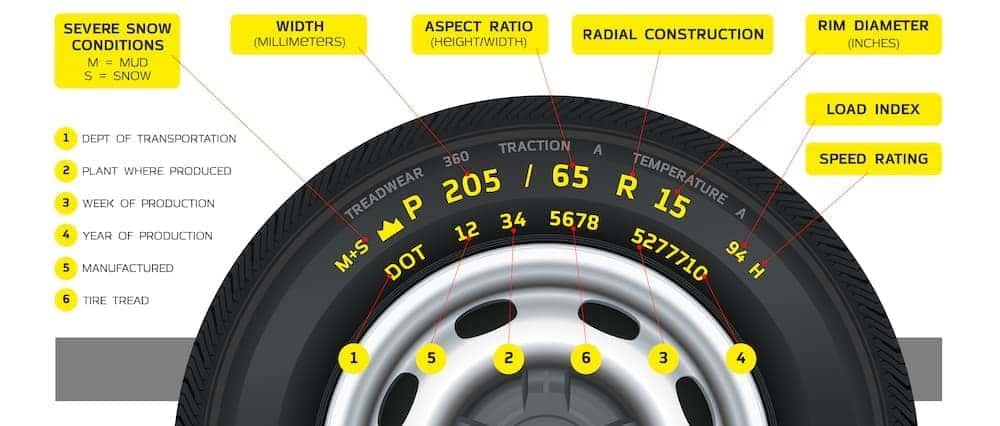
The load rating required for a diesel vehicle’s tires is the figure shown on the sticker inside your driver’s door jamb or listed in your owner’s manual — and you have to equal it or exceed it, never drop below. Since a diesel motor weighs more than a petrol motor of identical displacement, the tires bear a greater burden. If your factory tires came with a load index of 94 and you install replacements rated 91, you sacrifice 55 kg of capacity per tire. Across four tires, that adds up to 220 kg. The presenter’s rule is straightforward: when swapping tires, never drop to a lower load index.
What to Know Before You Buy Diesel Tires
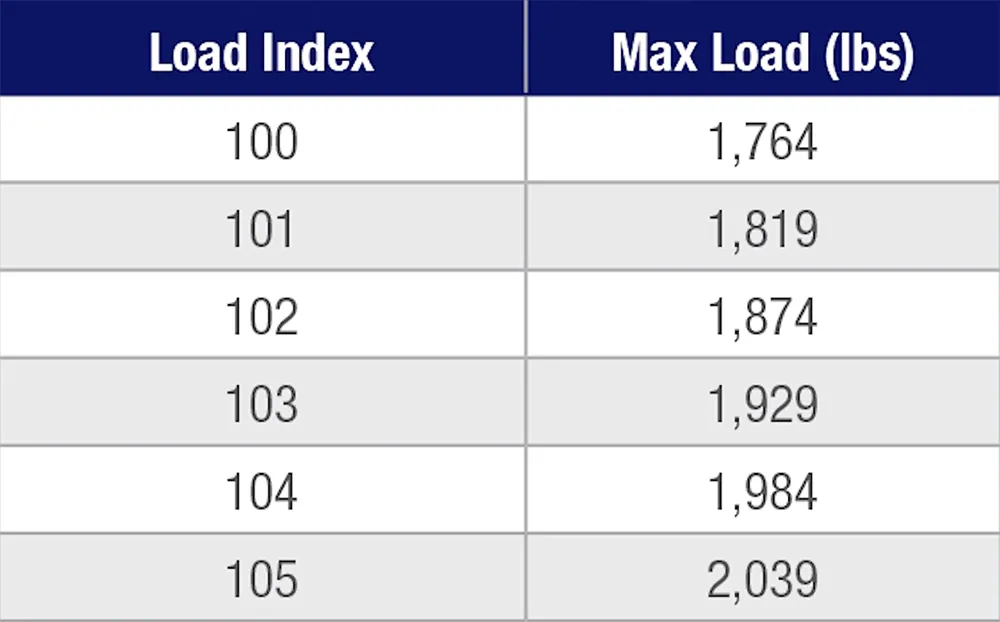
- Before buying anything, look up the recommended load index on your driver’s door jamb or in your owner’s manual. Your new tires have to equal or exceed that figure.
- Look at your current tires. If they’re marked XL, extra load, or reinforced, your replacements must also be XL rated. The presenter calls this non-negotiable.
- Don’t assume the door jamb pressure is right for every tire. That recommendation assumes factory spec tires with the correct load rating.
- If you tow or carry heavy loads, your tires need more air pressure than the normal setting.
- After any tire service, plan to return within 50 to 100 miles to have the lug nuts re-torqued. Loose lug nuts can cause wheel wobble, uneven wear, and in extreme cases wheels coming off while driving.
Why Diesel Tires Wear and Fail Early
| What you notice | What it usually means | What to try first |
|---|---|---|
| Tires wearing out fast, especially at the front | The extra torque of a diesel, particularly in front-wheel drive models, is accelerating wear on the drive wheels | Rotate every 5,000 miles, or sooner if you see uneven wear |
| Center of the tread wearing early, harsh ride, poor grip | Tires inflated to the maximum PSI on the sidewall instead of the pressure your vehicle actually needs | Inflate to the pressure required to carry your vehicle’s actual load, starting from the manufacturer’s recommendation |
| Tire running hot, risk of failure | Under-inflation. A tire can only reach its rated load capacity at the correct pressure | Run tires with the correct load rating, then inflate to the pressure specified for your vehicle’s weight |
| Tires overloaded even at normal pressure | Replacement tires with a lower load index than the originals, on a vehicle that’s already heavier | Match the original load index or go higher |
| Insufficient load capacity at the specified pressure | Standard load tires fitted where the vehicle came with XL rated tires | Check the sidewall marking and fit XL tires if that’s what you had |
Checks to Do in Order
Read the load index on your door jamb or in the owner’s manual. Write the number down before you shop. When you fit new tires, that number is your floor. A lower index means less capacity per tire, and the presenter says diesel engines are already heavy enough that you could end up running at or beyond the safe limit.
Compare the load index on the new tires to the old ones. Sizes can match perfectly while the load index drops. The example given is going from 94 down to 91 — 55 kg less per tire, 220 kg less across all four. If the new number is lower, don’t buy them.
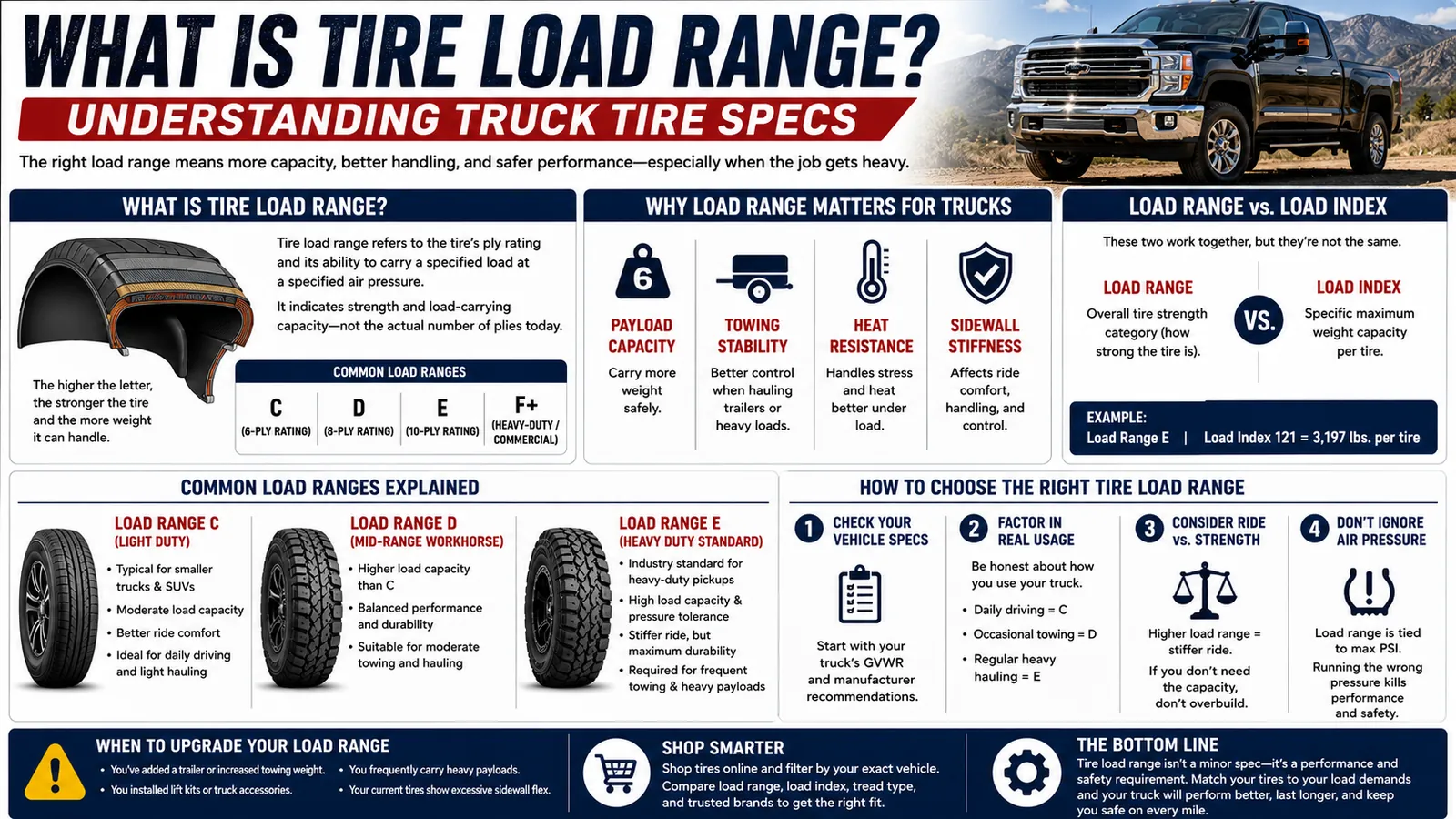
Check whether your current tires are XL, extra load, or reinforced. Standard load tires max out at 35 to 36 psi. Extra load tires can safely run at 41 to 42 psi, and at that higher pressure they carry significantly more weight. If your diesel came with XL tires, the replacements must be XL too.
Inflate to the pressure your vehicle’s weight actually needs. The door jamb sticker is a good starting point, but it assumes factory spec tires. If you’ve changed tire size or model, that pressure may no longer be correct. The presenter’s example: a tire that carries its rated load at full pressure drops to far less capacity at reduced pressure — a significant loss of capacity from pressure alone.
Check tire pressure monthly, when the tires are cold. The presenter says diesel vehicles should be checked more often than petrol ones, because under-inflation has more severe consequences when there’s extra weight involved.
Rotate every 5,000 miles on a high-torque diesel. Manufacturers generally recommend 5,000 to 8,000 miles, but the presenter says front-wheel drive diesels with high torque should be at the shorter end, or sooner if wear looks uneven. If you tow or carry heavy loads, rotate even more often.
Re-torque the lug nuts after 50 to 100 miles. Lug nuts are usually torqued to 80 to 100 ft-lb depending on the vehicle. The first torque compresses the surfaces between wheel and hub, and over the first 50 to 100 miles of driving those surfaces settle, so the nuts can loosen slightly. Many shops do this re-check for free.
When to Stop and Get Help
If your tires have been running at or beyond their safe load capacity, the presenter warns this causes premature wear, a higher risk of tire failure, and in extreme cases blowouts. That’s not a situation to manage yourself with pressure adjustments.
The same applies to loose lug nuts: wheel wobble and uneven wear are warnings, and in extreme cases a wheel can come off while you’re driving.
If you’re unsure whether your load index is correct, or you can’t find the recommended figure for your vehicle, have the work checked rather than guessing.
Two of these jobs are quick and cheap to hand over. Re-torquing after tire service takes a shop minutes, and many offer it free within the first 50 to 100 miles. If you do your own tire work, that’s the point to use a proper torque wrench rather than judgment.
The load rating question is the one worth asking out loud at the counter. Tell the shop the load index on your current tires and ask them to match it or go higher. If they can’t tell you what they’re installing, go somewhere that can.
What the Video Leaves Open
The presenter says the door jamb pressure is correct only for factory spec tires, and that a changed tire size or model may make it wrong. What the video doesn’t give is the actual corrected pressure figure for any specific vehicle or tire combination. It says to calculate the load and inflate to suit, but never walks through that calculation.
Torque specs are given as “usually 80 to 100 ft-lb depending on the vehicle.” The video doesn’t say how a reader finds the exact figure for their own vehicle, or what happens if the wheels are torqued outside that range.
The load index discussion covers matching and exceeding the original. It doesn’t say how far above the original you can safely go, or whether a much higher load index brings its own problems.
The video doesn’t say what a set of XL rated tires costs compared to standard load ones, or whether every tire model is even available in an XL version.
If you fit the correct tires, set the pressure right, rotate on schedule and still get fast wear, the video doesn’t cover what to check next. It names the causes it knows and stops there.
Nothing is said about how long any of this takes, whether the monthly pressure check needs any special tool beyond a gauge, or who shouldn’t attempt the re-torque themselves.
Frequently Asked Questions
Can I use a lower load index tire if the size matches?
No. The presenter is direct about this: never go lower on load index when replacing tires. Size matching is exactly the trap. A diesel owner sees 205/55R16 on the sidewall, finds the same size, and buys it without checking the load index. But the size tells you nothing about how much weight the tire can carry. Going from a 94 to a 91 costs you 55 kg of capacity per tire, and 220 kg across the set. Since the diesel engine is already heavier than the petrol equivalent, that drop can push your tires to or past their safe limit. Match the original number or go higher.
How much heavier is a diesel engine than a petrol one?
The presenter provides a specific number. A 2-liter diesel motor generally weighs 150 to 200 kg more than a 2-liter petrol motor. That works out to 330 to 440 lb of added weight, and it rests over the front axle. This is why the load rating carries more importance on a diesel than on a comparable petrol vehicle. The front tires are supporting weight the petrol version never had, so they require a load index that accounts for it.
What does the load index number on the sidewall mean?
It indicates how much weight each tire can safely support. The presenter offers two examples. A load index of 91 translates to 615 kg per tire. A load index of 94 translates to 670 kg per tire. That’s the entire purpose of the number — it represents weight, not speed or size. When purchasing replacements for a diesel, this is the figure to check against your originals, and against what your door jamb or owner’s manual recommends.
Why does tire pressure change the load a tire can carry?
Inflation pressure and load capacity go hand in hand. A tire can only reach its rated load capacity when inflated to the correct pressure. Let it run softer and it can’t safely support as much weight. The presenter’s example illustrates this clearly: a 265/75R16 10-ply tire achieves its rated load at full pressure, but once pressure drops, that capacity falls considerably. That’s a major drop caused purely by pressure. On a diesel that’s already carrying extra weight, even a slightly low pressure means the tires are overloaded, which generates heat — and the presenter identifies heat as the leading cause of tire failure.
Should I inflate new tires to the max PSI on the sidewall?
No, and according to the presenter, whole shops get this wrong. Maximum PSI is the most the tire can safely withstand, not what your vehicle actually requires. If your diesel weighs 6,000 lb unloaded and the tires are rated to handle 17,200 lb combined at max pressure, you’re inflating them far too much. Over-inflation produces a rough ride, erodes the center of the tread, cuts traction since only the middle makes contact with the road, and leaves the tire more vulnerable to damage from potholes and road debris. Begin with the manufacturer’s recommendation and then adjust for the load you’re actually carrying.
How often should I rotate tires on a diesel?
More often than you would on a petrol car. Most manufacturers say every 5,000 to 8,000 miles. For high-torque diesels, especially front-wheel drive models, the presenter says rotate every 5,000 miles or sooner if you notice uneven wear. The reason is torque. A 2-liter turbo diesel might make 400 Newton meters, against 250 for a 2-liter petrol. That extra torque goes through the front tires, which are also steering and doing most of the braking. If you tow or carry heavy loads, rotate even more frequently.
Your first move is the simplest one: go out and read the load index on your current tires, then check it against the door jamb or owner’s manual. If the number on the tire is lower than the recommendation, you’ve found the problem before it found you. If it matches, note it down and keep it with you when you shop for replacements, so no one sells you a lower index because the size looks right. Do that, and the rest of the list — pressure, rotation, re-torquing — becomes a routine you can actually keep.
