

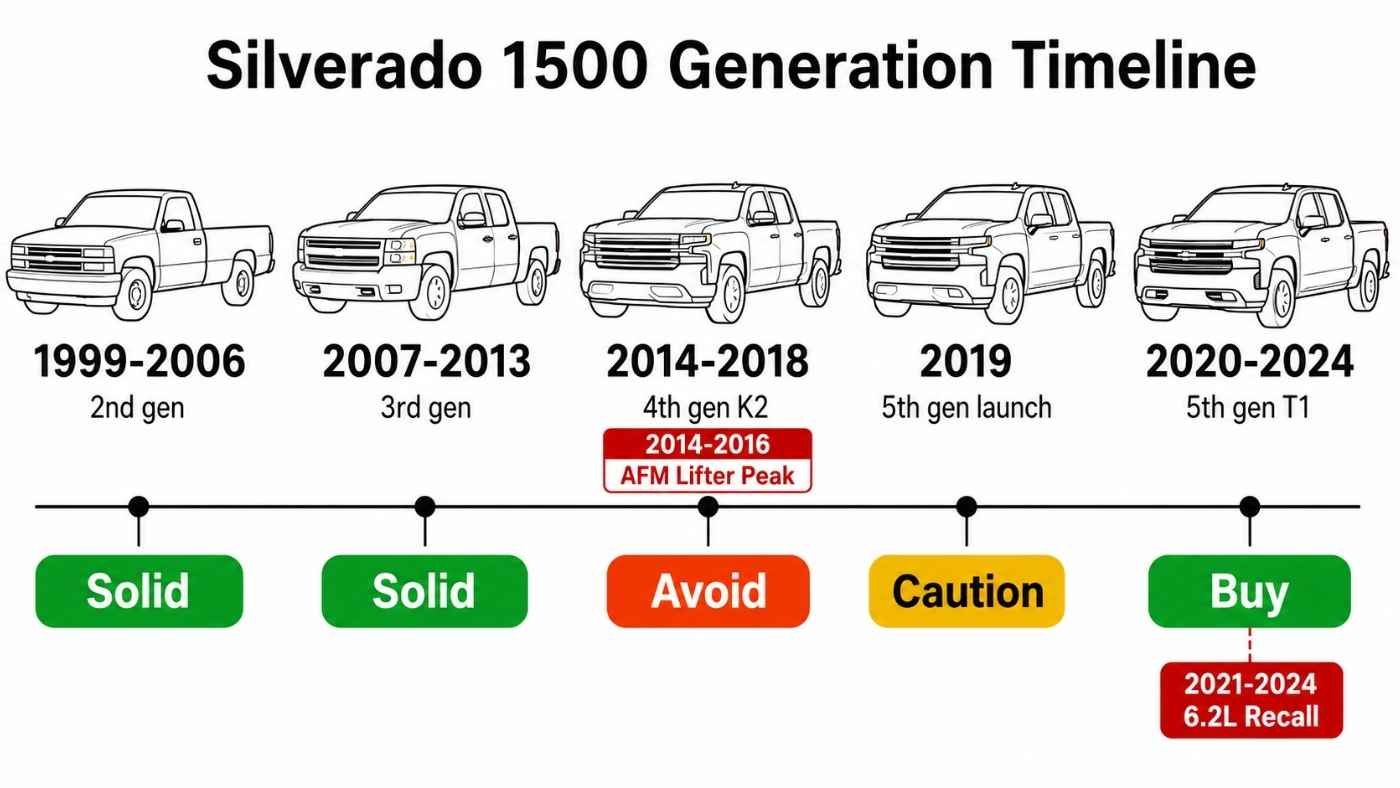
The 2018 Chevy Silverado is the most reliable model from the third generation, standing out for its improved build and fewer reported issues. In contrast, the 2017 model is widely considered the worst to own due to widespread transmission failures that can cost around $3,000 to repair. While the 2014 model also faces significant trouble with failing air conditioning systems—often costing $1,000 to fix—the 2017 transmission problems make it the most problematic year of the past decade. If you’re shopping for a used truck, knowing these specific year-to-year differences is the best way to avoid buying a vehicle that could quickly become a financial burden.
Choosing the Best and Worst Years
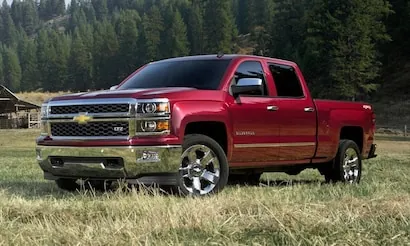
If you’re looking for a reliable used truck from the third generation, then the 2018 model is your best choice.
The presenter notes that 2018 serves as the high point for the third generation of the Silverado. By that time, the manufacturer had corrected most of the major mechanical flaws found in earlier releases. JD Power gave this specific year a score of 85 out of 100, which is the highest rating for any truck in that generation. Car Complaints also recorded a significant drop in reports of issues compared to previous years.
Conversely, the presenter labels 2017 as the year to avoid. Owners frequently reported hard, rough shifts and sudden, jerky movements at low speeds. These transmission issues were so severe that some owners described the truck as feeling like it was falling apart.
Consumer Reports reflected this sentiment by giving the 2017 model a reliability score of one out of five. While the 2014 model is also problematic, the presenter suggests that at least its primary flaw—a failing air conditioning system—doesn’t cause the vehicle to lurch into traffic like the transmission issues in the 2017 model.
Strengths of the 2018 Model
- The 2018 model benefited from years of production tweaks, which helped eliminate major technical bugs.
- It achieved the highest owner satisfaction rating for the third generation of the truck.
- Transmission issues were significantly lower in 2018 compared to the preceding years.
- Widespread air conditioning failures were mostly resolved by this production year.
- It serves as the final year before a redesign, offering a stable and proven platform.
Problems With Specific Years
- The 2014 launch year is plagued by HVAC systems that stop working, leaving owners without defrost or cooling.
- Repairing the 2014 air conditioning system often costs owners about $1,000 out of pocket.
- The 2017 model is notorious for transmission slipping and violent, unexpected jerks while driving.
- Owners of the 2017 model face potential repair bills reaching $3,000 for transmission work.
- Newer models like the 2019 and 2020 versions already show issues with infotainment glitches and electrical gremlins.
- Poor panel alignment and transmission hesitation are common complaints for the 2019 and 2020 trucks.
Who Should Buy a Used Silverado?
The presenter suggests that a used Silverado is a good fit for someone who prioritizes a truck that “just works” over one with complex, fancy features. Because newer models include more complicated electronics that are harder and more expensive to repair, they aren’t always the better choice. If you want a dependable vehicle from the 2014 to 2018 era, the 2018 model is the most suitable option.
However, buyers should be cautious with the 2019 and 2020 models. The presenter notes these are “too new to trust,” as they have already accumulated multiple recalls. Anyone looking for a truck should avoid assuming that a newer model year automatically guarantees better build quality or reliability.
Things the Video Leaves Open

- The video doesn’t provide a list of recommended maintenance schedules to help prevent these failures.
- There’s no information regarding the specific engine types or trim levels that might be more or less prone to these mechanical issues.
- The presenter doesn’t explain how to identify if a transmission or HVAC repair has already been performed on a used truck you’re inspecting.
- The video doesn’t discuss the impact of high mileage on the long-term reliability of these specific model years.
- There’s no advice on whether buying a certified pre-owned vehicle offers enough protection against these known factory flaws.
Related guides
- Ford F150 years to avoid and best years to buy
- Subaru Forester years to avoid and best models to buy
Frequently Asked Questions
Why is the 2014 model considered a bad investment?
The 2014 model suffers from a widespread failure of the HVAC system. This means the air conditioning often stops working, leaving the driver without cooling in the summer or a functioning defrost system in the winter. Because the manufacturer didn’t issue a recall for this specific problem, owners are typically forced to pay around $1,000 for repairs out of their own pockets.
Are the 2019 and 2020 models better than older ones?
Not necessarily. While these trucks are newer, they have already developed a reputation for issues like transmission hesitation, electrical faults, and poor panel alignment. The 2019 model had five recalls on file, and the 2020 model had four. The presenter warns that these newer trucks often come with more complex electronics, which makes them more expensive and difficult to fix when something goes wrong.
Is any Silverado model completely bulletproof?
No. The presenter explains that no Silverado is entirely bulletproof and that every truck has its own weak spots. Reliability isn’t about finding a perfect vehicle, but rather choosing a year where the manufacturer had successfully worked out the major kinks, such as the 2018 model.
How do I know if a truck is reliable if it has few complaints?
Predictive reliability is the key factor. Some issues don’t appear until a truck reaches 60,000 or 70,000 miles, which is often after the initial data collection for reliability reports is finished. Even if a truck has few complaints now, looking at the overall history of that year and its recall count can help you guess what problems might appear later.
When you’re ready to buy, don’t let a clean interior or a shiny exterior distract you from the facts. Dig into the specific year of the truck you’re considering and check for known complaints before you commit. The right model year can provide you with a reliable workhorse, but the wrong one can quickly turn into a significant financial headache. If you’re browsing used listings, keep the 2018 model at the top of your list and be wary of the 2017 transmission issues or the 2014 HVAC flaws. Taking the time to research the model year now will save you from expensive repair bills later. Focus on finding a proven, reliable year so you can spend your time driving your truck instead of visiting a repair shop.
