


Some Toyota RAV4 owners have faced transmission failures costing $3,000 before reaching 100,000 miles. While the vehicle is known for reliability, not every model year is built the same. Certain years suffer from specific mechanical issues that can lead to expensive repairs or safety concerns. To avoid these problems, you should be aware of the specific model years the presenter identifies as risky. By choosing a more reliable year, you’ll likely avoid significant headaches and keep your maintenance costs down. Sticking to proven years helps ensure you get the dependability that the brand is famous for.
Comparing Reliable and Problematic RAV4 Years
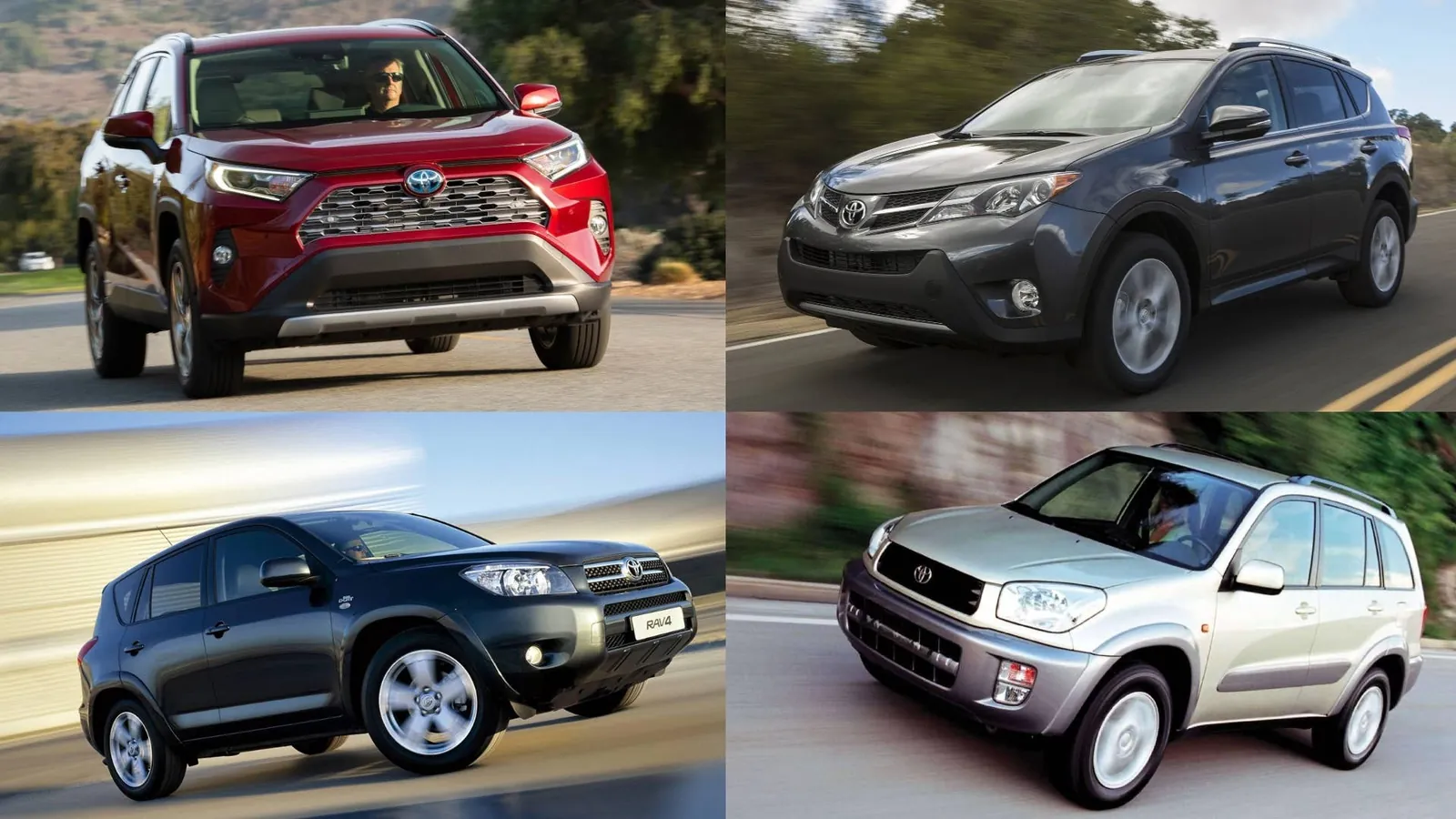
| Model Years | Primary Concerns | Key Benefits |
|---|---|---|
| 2001–2003 | Faulty ECU, transmission failure | – |
| 2004–2005 | – | Resolved ECU, better safety |
| 2006–2008 | Oil burning, steering clunk | – |
| 2009–2012 | – | Refreshed engine, V6 option |
| 2013 | Torque converter vibration | – |
| 2014–2018 | – | High reliability, comfort |
| 2019 | Transmission lag, fuel pump, tech | – |
| 2020–Present | – | Modern tech, fixed bugs |
Understanding RAV4 Reliability Differences
Why are 2001 to 2003 models considered risky?
The presenter advises avoiding the 2001 to 2003 models because of a faulty engine control module, or ECU. This component caused the automatic transmission to shift erratically. Over time, this led to hard shifts, slipping, and complete transmission failure. Owners often faced expensive repairs that cost thousands of dollars out of pocket.
Furthermore, these specific years lack basic safety features like electronic stability control, which became a standard inclusion only a few years later. Unless you can verify that the ECU was replaced and the transmission was rebuilt, the presenter suggests skipping these models entirely to avoid potential financial loss.
What makes the 2006 to 2008 years difficult?
These early third-generation models are described as a maintenance nightmare due to two recurring problems. First, the 2.4-liter four-cylinder engine had bad piston rings, which caused excessive oil consumption. Some owners had to add oil every 1,000 miles to prevent engine damage.
Second, a faulty intermediate steering shaft created a clunking noise when turning at low speeds. The presenter notes that repairs for the steering issue were often temporary, requiring owners to replace the part multiple times. Because not every owner qualified for the service bulletin repairs, many people ended up dealing with blown engines or persistent steering headaches.
How did the 2013 model year cause trouble?
As the first year of the fourth generation, the 2013 RAV4 introduced a new drivetrain that suffered from a strange vibration or shudder during low-speed acceleration. The presenter links this to the torque converter inside the transmission, which caused a jittery ride and could lead to premature wear.
While Toyota later acknowledged the issue with a service bulletin and an extended warranty, it only applied to certain vehicles. Because the problem persisted until the 2016 refresh, the presenter recommends approaching the 2013 model with extreme caution. If you’re looking at one, you must ensure the torque converter has already been replaced by a previous owner.
Why was 2019 a challenging year for the RAV4?
The 2019 model was a redesign year, and the presenter notes that these are always risky. This year saw several serious issues, including an eight-speed automatic transmission that experienced hesitation and jerking in traffic. Some owners reported dangerous lag when pulling into intersections, with some requiring total transmission replacements.
Additionally, there was a fuel pump recall due to potential stalling while driving. Hybrid models also suffered from a design flaw where the gas tank wouldn’t fill completely, which reduced the driving range. Combined with early infotainment glitches, the 2019 model earned its reputation as a year to avoid.
Which RAV4 Should You Choose?
If you want the best balance of reliability and modern features, then aim for the 2020 or newer models. The presenter recommends these because Toyota fixed the early fifth-generation bugs, including the transmission behavior and fuel pump issues. For those on a different budget, the 2014 to 2018 models are considered the safest bet in the used market today, as they offer excellent reliability and comfortable rides.
If you’re looking at older vehicles, the 2009 to 2012 models are highly recommended for their refreshed engines and the availability of a powerful V6 option. The 2004 and 2005 models are also solid choices to round out the second generation with improved safety features. The presenter suggests that if you’re considering a “bad” year, it might be fine only if you have proof that the specific repairs were already performed.
What the Video Leaves Open

- The video doesn’t provide a specific checklist for how to verify if a past repair was actually performed on a used vehicle.
- There’s no information regarding the typical cost of the oil consumption repair for the 2006 to 2008 models if you have to pay for it yourself.
- The presenter doesn’t mention how many miles a replaced torque converter typically lasts on the 2013 model.
- There’s no guidance on how a buyer can test the electronic stability control functionality during a short test drive to ensure it’s working correctly.
- The video doesn’t explain the specific steps a buyer should take if they discover an infotainment glitch during their inspection of a 2019 model.
Frequently Asked Questions
What was the issue with the 2019 Hybrid gas tank?
The 2019 Hybrid models had a design flaw that prevented the gas tank from filling to its full capacity. This issue effectively cut the driving range of the vehicle, which left many owners feeling frustrated. The presenter identifies this as one of the major reasons to avoid the 2019 model year.
Are the 2006 to 2008 models ever safe to buy?
The presenter describes these years as a maintenance nightmare due to oil burning and steering clunk issues. While some service bulletins were issued, not every owner qualified for the repairs. Because the fixes for the steering shaft were often temporary, the presenter doesn’t list these as safe years to buy.
Why is the 2009 to 2012 period considered reliable?
These models received a refreshed 2.5-liter engine that successfully solved the oil-burning issues found in earlier years. Additionally, the steering clunk problems were rare during this time. The presenter notes that the reliability for these years was rock solid and highlights the V6 engine as a powerful, dependable option.
What safety feature was added in 2004?
Toyota added electronic stability control to the RAV4 starting in the 2004 model year. This addition made the final years of the second generation much safer than the 2001 to 2003 models, which lacked this feature entirely.
If you’re currently shopping for a used RAV4, your best strategy is to focus on the years that the presenter identified as proven successes, such as 2014 through 2018 or 2020 and newer. These models offer the most peace of mind and avoid the known mechanical pitfalls of the earlier or redesign years. Before you finalize any purchase, take the time to confirm the vehicle’s history and ensure that any necessary service bulletins were addressed. By prioritizing these reliable years, you can enjoy the dependability that the Toyota brand is known for without the stress of unexpected repairs.
