

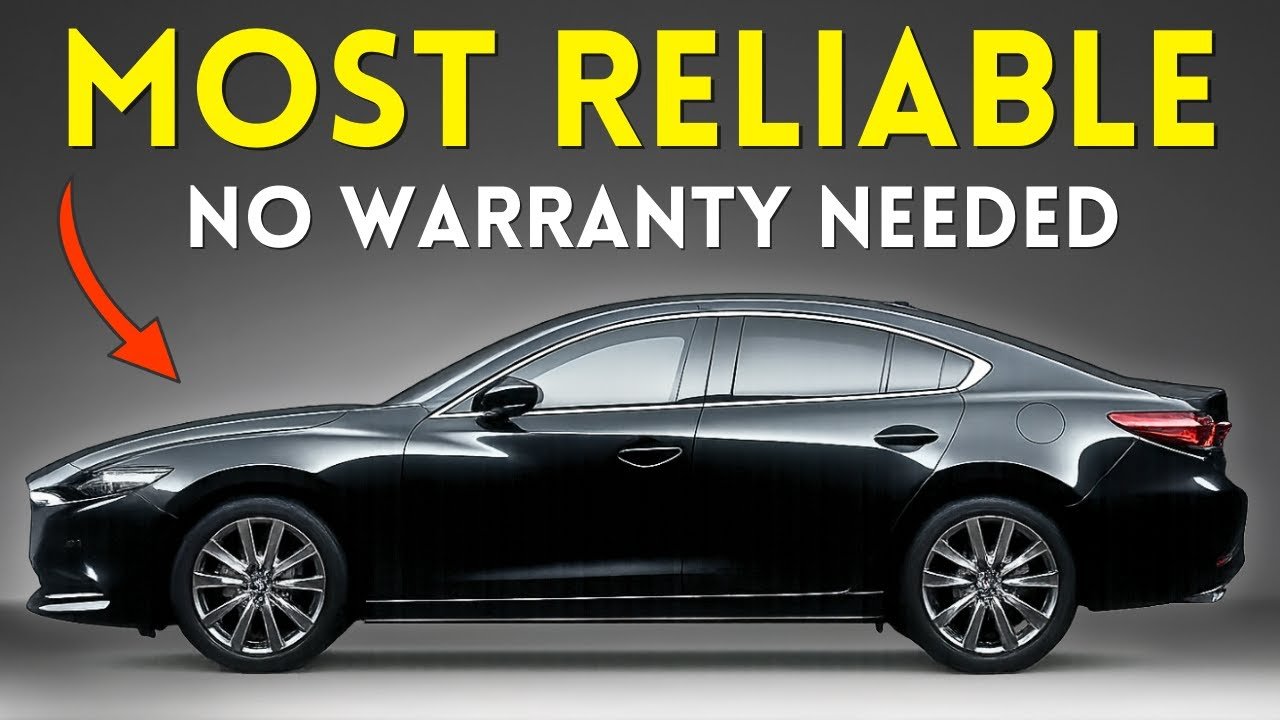
You can own a reliable luxury car after the factory warranty expires by choosing models known for durable engineering and manageable maintenance. The presenter highlights eight specific vehicles from the last decade that avoid common pitfalls like overly complex turbochargers or fragile electrical systems. These selections include the Lexus ES 350 (2013–2018), which can reach over 200,000 miles, and the Lexus RX 350 (2013–2019), which features annual repair costs often under $600. Other dependable choices include the Audi S4 (2010–2016), the Acura MDX (2014–2019), the BMW 440i (2016–2019), the Infiniti G37/Q40 (2011–2015), the Genesis G80 (2017–2020), and the Volvo S60 (2015–2018). By focusing on these specific, time-tested powertrains, you can enjoy a premium driving experience without the fear of frequent, high-cost repairs that often plague luxury ownership.
Choosing a Reliable Luxury Used Vehicle

If you prioritize long-term dependability and lower ownership costs, then you should focus on models with naturally aspirated engines and simple, proven mechanical systems. The presenter emphasizes that the key to avoiding a “money pit” is steering clear of vehicles with overly complicated tech or experimental hardware. Instead, look for cars that share components with more common, mass-market vehicles, as these parts are often easier to service and significantly cheaper to replace.
The walkthrough’s top picks are vehicles that have earned a reputation for longevity, often reaching high mileage without requiring major overhauls. While the presenter notes that even luxury cars require routine care, the models mentioned are less prone to catastrophic failures.
For instance, the presenter points out that selecting a well-maintained example is essential, regardless of the vehicle’s inherent reputation. By sticking to these specific models, you gain the benefit of a high-end cabin and performance without the typical stress of post-warranty repair bills.
Strengths of These Reliable Models
- The Lexus ES 350 and RX 350 utilize a 3.5 L V6 engine that’s simple, durable, and known to last over 200,000 miles.
- The Audi S4’s 3.0 L supercharged V6 offers a reliable alternative to Audi’s smaller, more problematic turbocharged engines.
- The Acura MDX features a 3.5 L V6 shared with Honda vehicles, making it easy and affordable to service.
- The BMW 440i uses the B-58 3.0 L turbocharged inline 6, which is widely praised for its solid engineering and durability.
- The Genesis G80 provides a premium ownership experience with naturally aspirated V6 or V8 engines that avoid complex, gimmicky systems.
- The Volvo S60 combines Scandinavian design with a 2.0 L 4-cylinder engine that’s more durable than many rival small turbos.
Common Weaknesses and Maintenance Concerns
- BMW 440i owners may encounter leaking gaskets over time, though the presenter notes these are generally manageable repairs.
- Early versions of the Acura MDX had some software-related shifting issues with the automatic transmission, which usually required dealer updates.
- Volvo S60 owners might need to address common issues like oxygen sensors or minor suspension components.
- The Infiniti G37 and other models on this list still require standard maintenance like brake pads, oil changes, and fluid flushes, which can cost more than those for non-luxury cars.
- The presenter didn’t name any significant, widespread mechanical failures for the Lexus models or the Genesis G80.
Who Should Buy These Luxury Cars?
These vehicles are ideal for buyers who want an upscale daily driver, a comfortable family SUV, or a sporty sedan but need to keep repair costs under control after the warranty ends. If you’re a growing family needing space or a commuter looking for a quiet, reliable interior, these options provide a way to access luxury features without the usual financial risks.
You should consider these cars if you value long-term potential and want to avoid the “electrical gremlins” often associated with older European luxury vehicles. However, if you’re looking for the absolute lowest possible maintenance costs, remember that even these reliable luxury cars will have higher service fees for parts like tires and brakes compared to standard economy vehicles. If you aren’t prepared for these premium-level maintenance expenses, you might prefer a mainstream brand instead.
Details the Video Leaves Open
- The video doesn’t provide a specific checklist for what to look for when inspecting a car’s service history.
- There’s no information regarding the specific geographic availability of these models or how regional climate impacts their long-term reliability.
- The presenter doesn’t offer a guide on how to perform basic maintenance tasks yourself, so you would need to consult a manual or professional for those steps.
- The video doesn’t detail how to identify if a specific car has been in a previous accident or flood, which is crucial for determining true reliability.
- There’s no mention of insurance cost differences between these luxury models and standard vehicles, which is a major factor in total ownership expenses.
Frequently Asked Questions
Are luxury cars always expensive to repair?
Not necessarily, though the presenter notes that luxury cars generally carry higher costs for items like brakes, tires, and oil changes compared to average vehicles. The key to keeping costs down is choosing models that use time-tested, naturally aspirated engines or proven mechanical systems. By avoiding cars with overly complex air suspension or sophisticated, experimental turbochargers, you reduce the chance of expensive, catastrophic failures. The presenter highlights models like the Lexus RX 350, which can have annual repair costs under $600. While they aren’t as cheap to maintain as a basic economy car, they don’t have to be a financial burden if you select the right, reliable model and keep up with factory service intervals.
Should I get a pre-purchase inspection?
Yes, the presenter strongly advises getting a pre-purchase inspection before buying any used luxury car. Even models with a strong reputation for reliability can suffer from neglect or poor maintenance by previous owners. A professional inspection helps you identify hidden issues, such as leaking gaskets or worn suspension components, before you commit to the purchase. This step is essential to ensure that the “reliable” car you’re buying hasn’t been abused. Along with checking the maintenance records, an inspection is a vital part of the process to ensure that you aren’t inheriting someone else’s expensive problems, regardless of how well the specific model is rated for dependability.
How important are maintenance records?
Maintenance records are crucial when buying a used luxury vehicle. The presenter emphasizes that even the most reliable car needs consistent care to stay in great shape. Seeing proof of regular oil changes, fluid flushes, and other scheduled service tells you that the previous owner treated the vehicle well. If a seller can’t provide these records, it’s much harder to trust that the car has been properly cared for. Always prioritize vehicles that have a clear, documented history of being serviced according to the manufacturer’s intervals, as this is the best way to protect your investment and ensure the car remains reliable for the years you plan to own it.
Do these cars require premium fuel?
The presenter doesn’t provide a specific breakdown of fuel requirements for each model. While many luxury vehicles are designed to run on premium fuel for maximum performance and engine health, the video doesn’t list this as a specific factor in their long-term reliability or ownership costs. If you’re concerned about fuel expenses, you would need to check the owner’s manual for each specific car you’re considering to see if premium gas is required. The video focuses instead on mechanical durability, such as the reliability of the engines and transmissions, rather than the daily operating costs like fuel consumption or insurance premiums.
When you’re ready to move forward, the most important step is to prioritize a thorough pre-purchase inspection and a detailed review of the vehicle’s maintenance history. Even the most dependable luxury models rely on consistent, proper care to maintain their performance and reliability. By choosing one of these proven models and ensuring it has been serviced according to the factory schedule, you can enjoy a premium driving experience without the typical stress of high-cost repairs. Start by researching local sellers or dealerships, but always insist on seeing the service records before you finalize your decision. Taking these simple, proactive steps now will help you drive away with confidence, knowing you have chosen a car that can provide both luxury and peace of mind for years to come.
