


Several truck engines built between 2008 and 2025 are engineered to be so durable that they regularly reach 300,000, 400,000, or even 500,000 miles without major repairs. These power plants prioritize conservative design, overbuilt cooling systems, and minimal complex electronics to avoid the pitfalls of planned obsolescence. While many modern vehicles are becoming increasingly disposable, these specific engines—ranging from naturally aspirated V6 and V8 configurations to robust diesel inline-sixes—are built to outlast the other components of the trucks they power. Owners who maintain these engines can often expect them to function for decades, with some legendary examples documented surpassing the 1 million-mile mark on their original internal components.
Choosing a Long-Lasting Truck Engine
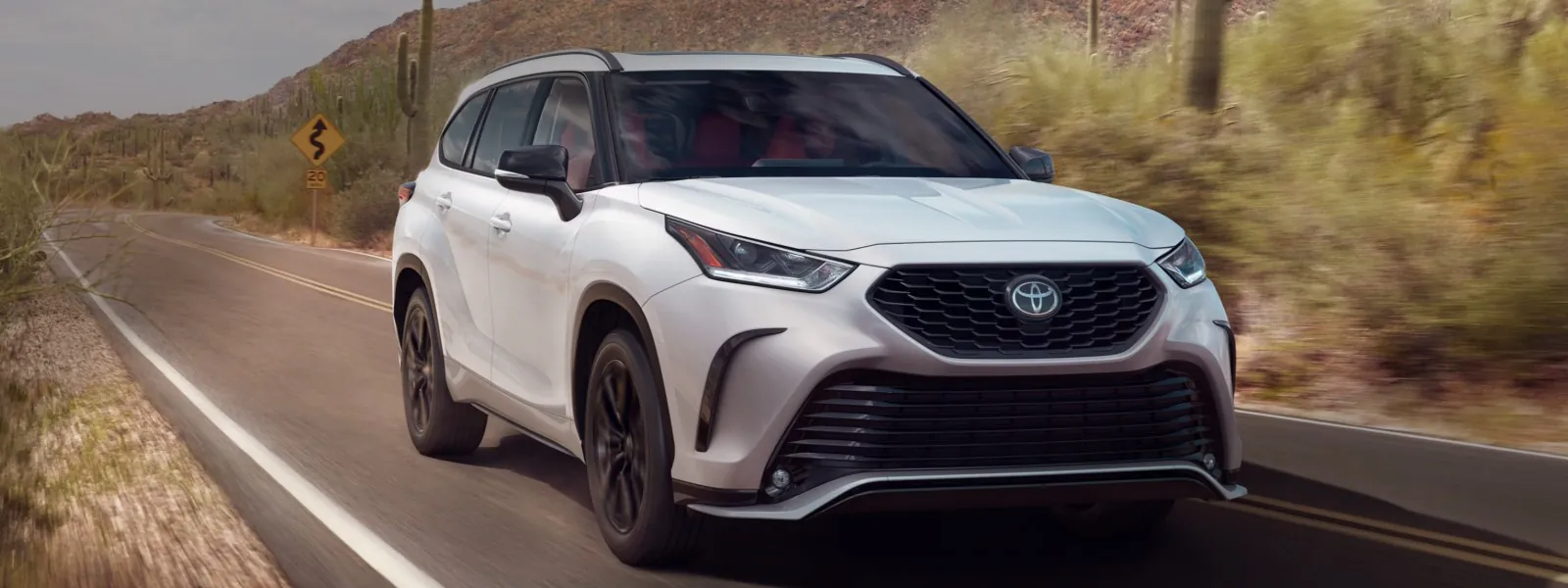
If you prioritize long-term durability over cutting-edge technology or maximum fuel economy, then choose a truck equipped with an engine designed for high safety margins and structural simplicity. The presenter highlights that the most reliable engines avoid complex systems that typically fail as a vehicle ages. Instead, they feature overbuilt components like cast iron blocks, timing chains, and massive cooling systems to prevent overheating.
According to the walkthrough, the best engines operate well below their theoretical stress thresholds. By avoiding aggressive tuning or unnecessary tech like direct injection, these power plants minimise common failure points. The presenter notes that while modern diesel engines must include complex emissions systems, the core mechanical designs of the top-rated diesel options remain exceptionally robust.
Ultimately, the choice depends on whether you prefer the “back to basics” approach of a naturally aspirated gasoline V8 or the high-torque, overbuilt nature of a modern diesel. The presenter emphasizes that for the most reliable ownership experience, you should look for models where the manufacturer focused on evolution rather than revolution, sticking to proven configurations that have demonstrated consistency across many production years.
Reliable Engine Strengths
- Naturally aspirated designs, such as the Toyota 4.0 L V6 and 5.7 L V8, eliminate the complexity of turbocharging.
- Timing chains are used instead of belts, removing the need for expensive, high-risk maintenance intervals.
- The Ford 7.3 L Godzilla V8 uses port fuel injection to prevent the carbon buildup issues common in direct injection engines.
- The Ram 6.7 L Cummins diesel uses an inline-six configuration, which provides better balance and fewer moving parts than V-shaped engines.
- GM’s L5P Duramax diesel features a strengthened block and a redesigned fuel system that removes the problematic CP4 pump found in older models.
- Massive, overbuilt cooling systems in engines like the Toyota 3UR-FE ensure they never reach temperatures that cause internal wear.
Common Engine Weaknesses
- Some modern diesel engines struggle with complex emissions systems that can cause reliability issues, even when the core engine is durable.
- The Toyota 4.0 L V6 was replaced by a 3.5 L V6 in 2016, which hasn’t yet proven the same level of legendary durability.
- Older versions of the Cummins diesel faced head gasket issues before the 2019 design improvements were introduced.
- The 7.3 L Godzilla and the L5P Duramax are relatively new to the market, meaning they lack the decades of long-term data available for older power plants.
- The presenter notes that for some highly durable trucks, the rest of the vehicle may eventually fail or wear out before the engine does.
Who Should Buy These Engines?
These engines are ideal for truck owners who plan to keep their vehicles for a long time and want to avoid the cycle of frequent trading or costly repairs. If you use your truck for commercial work, heavy towing, or high-mileage driving, the presenter suggests that these specific power plants provide the best balance of reliability and performance under stress. They’re suited for drivers who value simplicity and don’t mind sacrificing some of the headline-grabbing horsepower or high-tech features found in more experimental models.
Conversely, if your priority is maximum fuel economy or the latest “cutting-edge” automotive technology, you might find these engines less appealing. Those who prefer a truck that’s packed with complex, modern electronic features may also want to look elsewhere, as these engines are specifically designed to minimize such potential failure points.
Frequently Asked Questions
Which Toyota engine is the most reliable?
Toyota’s 5.7-liter 3UR-FE V8, utilized in the LX 570, Land Cruiser, and Tundra between 2008 and 2022, represents the height of the brand’s dependable engineering. It utilizes a timing chain alongside a robust thermal management setup, incorporating a large radiator and an oil cooler. For the majority of its production, Toyota bypassed intricate systems such as variable displacement or direct injection, which helped reduce potential mechanical issues. Since the engine is naturally aspirated and features a modest tune, it functions under minimal strain, resulting in remarkable durability. Data from Toyota indicates that more than 96% of Tundras purchased within the previous decade and a half are still operational, with certain units verified to have surpassed 1 million miles using their factory-installed powertrain.
Are newer diesel engines less reliable than older ones?
While modern emissions regulations have made diesel engines more complex and harder to build reliably, the presenter highlights specific exceptions. The 2017-present GM L5P Duramax and the 2019-present 6.7 L Cummins are cited as highly reliable. The L5P was redesigned with a strengthened block and a new fuel system to fix past issues, while the 2019 Cummins update addressed previous head gasket problems. Although the emissions systems themselves can still be a source of frustration, the core mechanical designs of these engines remain exceptionally durable and continue to handle high mileage well.
Is the Ford 7.3 L Godzilla a good choice?
The 7.3 L Godzilla is a strong choice for those who want a gasoline alternative to a diesel engine. It’s a “back to basics” naturally aspirated pushrod V8 designed specifically for durability. By avoiding turbocharging and direct injection, Ford reduced the number of potential failure points. The cast iron block and forged steel crankshaft are built to handle more power than the engine produces stock, providing large safety margins. While it’s a newer engine, commercial fleet users have reported excellent results with zero issues, and its design suggests it could easily exceed 400,000 miles.
Does the Cummins engine really last longer than the truck?
The presenter mentions a common saying among mechanics that the Cummins engine doesn’t break down; it simply outlives the truck around it. This is due to the 6.7 L Cummins block being massively overbuilt and operating well below its stress threshold. There are many documented cases of these engines exceeding 500,000 miles, with commercial examples passing 750,000 miles. One well-maintained 2012 model even reached 1.5 million miles on its original internals, proving that the engine’s lifespan often exceeds the structural or electrical life of the rest of the vehicle.
If you’re currently looking for a reliable truck, the best first step is to focus your search on these specific engine models and model years. Researching the service history of a used truck is essential, as even the most overengineered engine requires consistent care to reach these high mileage goals. Avoid trucks that have been heavily modified or pushed beyond their factory specifications, as this negates the safety margins the engineers built in. By selecting a vehicle with one of these proven power plants and committing to a rigorous maintenance schedule, you can secure a truck that’s built to last for many years to come.
