


To keep your vehicle running well past 150,000 miles and avoid unnecessary, expensive repairs, you must move beyond the basic maintenance schedules often suggested by dealerships. Many common maintenance beliefs are outdated or designed for industry convenience rather than your car’s longevity. By following these 11 specific practices, you can significantly improve your vehicle’s long-term reliability and performance. The core of this approach involves proactive care for fluids, filters, and driving habits that prevent wear before it starts. This strategy saves you thousands of dollars by prioritizing the health of critical components like the engine, transmission, and fuel pump over the long term.
Change your oil every 5,000 miles
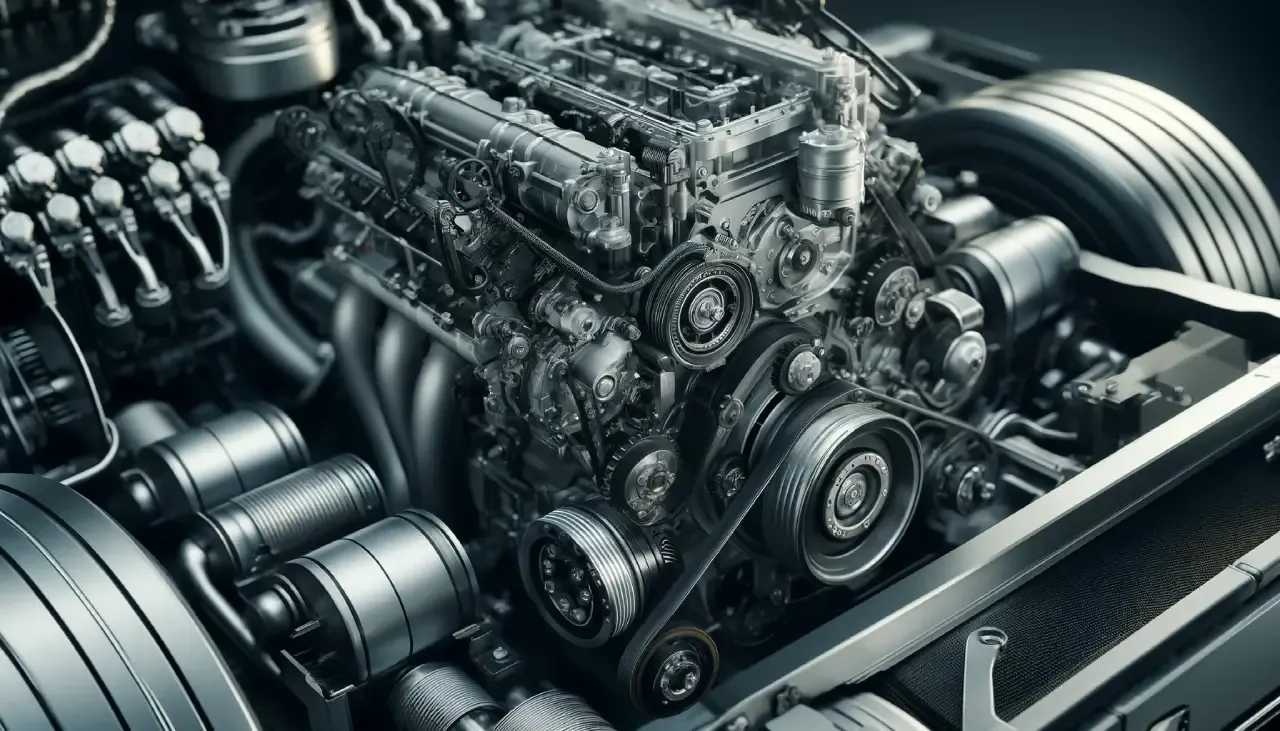
While some manufacturers suggest intervals of 10,000 to 15,000 miles, the presenter advises sticking to a 5,000-mile schedule. The primary reason is that most engine wear occurs during cold starts, when oil hasn’t yet fully circulated. If your oil is old, dirty, or broken down, it fails to protect internal components during those critical first moments after starting the engine.
Following this tighter schedule ensures fresh oil is always in the system, which is essential for extending engine life. The presenter notes that dealerships often push longer intervals because it leads to new engine and vehicle sales.
Protect the engine during cold starts
Over 80% of engine wear happens within the first minute of a cold start. To prevent internal damage, you should let your engine idle for 30 to 60 seconds after starting the car, rather than driving away immediately.
This brief period allows the oil to circulate and properly lubricate the engine’s internal parts. Furthermore, you should never rev a cold engine. These simple adjustments to your starting routine help avoid significant wear and tear that occurs when components move without proper lubrication.
Maintain your fuel system and pump
Modern fuel injectors are highly precise, and even minor carbon buildup can negatively impact efficiency and performance. Using a quality fuel system cleaner, such as Techron, every 5,000 to 10,000 miles helps keep the system flowing smoothly, reduces engine knock, and can improve gas mileage.
Additionally, you should avoid letting your fuel tank run to empty. The gasoline in your tank acts as both a coolant and a lubricant for the fuel pump. When the tank is near empty, the pump is exposed to air and heat, which accelerates wear. Keeping your tank above one-quarter full can potentially double the lifespan of the fuel pump, helping you avoid a repair that could cost between $500 and $1,000.
Service transmission and power steering fluids
The concept of “lifetime” fluids is a myth that typically refers to the duration of the vehicle warranty, not the actual life of the component. Transmission fluid breaks down over time due to heat and friction. If it’s never changed, it loses its protective properties. You should change this fluid every 60,000 to 80,000 miles to avoid a transmission replacement that could cost several thousand dollars.
Similarly, power steering fluid is often ignored because there’s no dashboard warning light for it. Over time, this fluid becomes dirty and can lead to leaks or pump failure. The presenter recommends flushing the power steering fluid every 50,000 miles to ensure the system continues to operate smoothly.
Monitor tires, brakes, and batteries
Tire rotation is essential for protecting more than just the tires; it also safeguards your suspension. You should rotate your tires every 6,000 to 8,000 miles, or whenever you get an oil change. This prevents vibrations from uneven wear that can stress your shocks, struts, and steering rack.
Brake fluid also requires attention because it’s hygroscopic, meaning it absorbs moisture from the air. This moisture lowers the boiling point of the fluid, which can cause a soft pedal feel or even brake failure. You should change the brake fluid every 2 to 3 years.
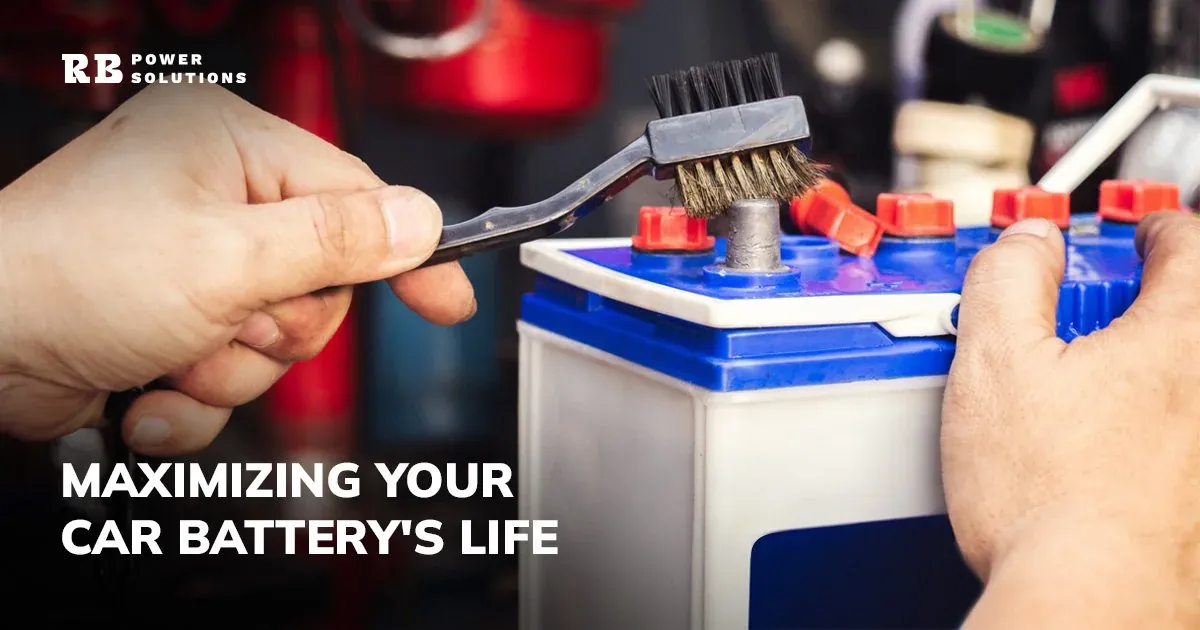
Finally, car batteries lose capacity over time, even if the car isn’t driven. Once a battery is 3 years old, it should be tested regularly. If your vehicle sits for long periods, using a trickle charger will keep the battery topped off and extend its life by years.
Check cabin filters and gas caps
A dirty cabin air filter can strain your heating and air conditioning systems and allow pollutants into the vehicle. You should replace this filter every 12,000 to 15,000 miles. Checking it yourself is an easy task that takes about 5 minutes and costs less than $20.
If your check engine light comes on, don’t panic immediately. A loose or cracked gas cap can prevent the fuel system from sealing properly, which triggers the light. Always ensure your gas cap is tight and clicks when closed. If it’s cracked, replace it to avoid unnecessary diagnostic fees at a mechanic.
What the video leaves open
The presenter identifies several areas that require additional information or individual effort:
- The video doesn’t provide instructions on how to perform specific fluid flushes or filter changes, leaving the exact technical process for the reader to determine.
- There’s no information regarding the specific tools required for the maintenance tasks mentioned, such as the tools needed to access a cabin air filter.
- The video doesn’t detail how to safely dispose of old engine oil or transmission fluid, which are environmental considerations for those doing their own maintenance.
- The presentation doesn’t address how to identify if a fuel pump is already failing, focusing instead on preventative habits rather than troubleshooting existing mechanical issues.
Related guides
- How to improve car engine performance with simple maintenance
Frequently Asked Questions
Why does a check engine light happen?
A check engine light can be caused by a simple issue like a loose or cracked gas cap. Because the fuel system is designed to be sealed and pressurized, a faulty cap disrupts the entire system and triggers the warning light. Before paying for a professional diagnostic, always check that your gas cap is tightened correctly. If the cap is old and cracked, replacing it may be all that’s required to turn the light off and avoid a service fee.
How do I know if my battery is failing?
Car batteries degrade over time regardless of how much you drive. Once your battery reaches 3 years of age, it should be tested regularly to ensure it still holds a proper charge. If you find your car sits idle for days or weeks at a time, the battery may never reach a full charge, which accelerates its decline. In such cases, using a trickle charger is the recommended way to keep the battery topped off and extend its usable life by years.
Can I save money on cabin air filters?
Yes, you can save money by checking and replacing the cabin air filter yourself. It’s a quick task that takes about 5 minutes and costs under $20. Some mechanics may charge for this service without actually performing the replacement, so doing it yourself ensures the job is done. Replacing this filter every 12,000 to 15,000 miles prevents unnecessary strain on your vehicle’s heating and cooling systems and improves the air quality inside the cabin.
To extend the life of your car, start by adopting the habit of keeping your fuel tank above one-quarter full. This simple, cost-free change protects your fuel pump from premature failure and is one of the most effective ways to avoid an expensive repair later. Combine this with regular, proactive maintenance like changing your oil every 5,000 miles and rotating your tires at every oil change. By focusing on these small, consistent actions, you move away from reactive repairs and take control of your vehicle’s long-term health and reliability.
