


Used Jaguars are often priced like basic economy cars because they suffer from rapid depreciation and high ownership costs that scare off many buyers. While a new luxury vehicle typically holds more of its value, a Jaguar can drop to just 27% of its original price after five years. This steep decline happens because the brand faces persistent concerns regarding reliability, costly maintenance, and tough competition from rivals that often have better reputations for dependability. Despite these issues, the low cost of entry makes them an attractive option for some buyers who want high-end performance and prestige at a fraction of the original price.
Why Jaguar Values Drop So Quickly

The primary reason for the low resale value is the brand’s struggle with long-term reliability. According to the 2023 JD Power vehicle dependability study, Jaguar ranked third from the bottom with 86 problems per 100 vehicles. This was a decline from their 2022 score of 76. Furthermore, Repair Pal ranks the brand 29th out of 32 manufacturers, giving it only 2.5 out of five stars.
The presenter notes that Jaguar never prioritized bulletproof reliability, focusing instead on design, performance, and luxury. This approach is compared to buying a designer handbag; you pay for the style and prestige rather than for durability. Because of this reputation, potential buyers are often wary, which lowers demand and accelerates the depreciation cycle.
Specific mechanical issues contribute to these reliability concerns. In models like the XF and XJ, owners often report electrical problems, particularly with infotainment systems and sunroof mechanisms. The F-Pace SUV is known for coolant leaks from its corner radiators. Additionally, engines such as the supercharged V6 and V8 can suffer from supercharger coupler failure or rattling. Other common technical faults include:
- Carbon buildup in direct injection systems.
- Early failure of water pumps.
- Leaking high-pressure injectors.
- Harsh shifting in the ZF 8-speed transmission that requires updates.
How to Manage the Costs of Ownership
If you’re interested in buying a used Jaguar, you must prepare for higher maintenance needs than you would find with a typical vehicle. While an average car visits a repair shop about four times a year, a Jaguar owner should expect to go six or seven times. Annual maintenance and repair costs often range between $1,100 and $1,200. By the time the vehicle reaches its 10th year, these expenses can climb to $3,000 or $4,000 for major services and parts.
To keep your costs manageable, the presenter suggests several strategies:
- Look for certified pre-owned vehicles that include extended warranties for protection against major bills.
- Target models from 2016 or later, as reliability improved following increased investment from Tata Motors.
- Use an independent Jaguar specialist rather than a dealership to take advantage of lower labor rates.
- Budget at least $1,500 per year for maintenance to ensure you’re ready for repairs.
- Research the specific quirks of the model you want, noting that the 3.0 L supercharged V6 is generally considered more reliable than the 2.0 L turbo 4-cylinder.
The presenter notes that these guidelines don’t apply to buyers who prioritize low-maintenance, worry-free transportation over the specific luxury experience Jaguar provides.
Support for the Brand’s Reputation
The presenter cites specific industry data to support the claim that Jaguar struggles with reliability and value retention. Along with the JD Power rankings mentioned earlier, the presenter points to the 30% value loss that occurs the moment a new Jaguar leaves the lot, which is roughly 10% worse than the industry average. This trend continues over time, leaving the average luxury vehicle at 39% of its original price after five years, compared to just 27% for a Jaguar.
What the Video Leaves Open
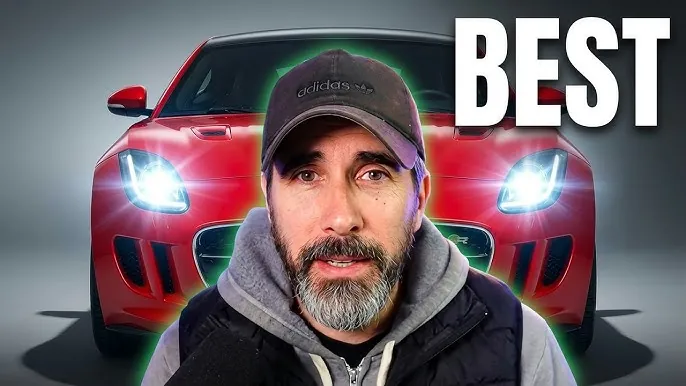
The presenter highlights several areas that remain uncertain or fall outside the scope of the discussion:
- The video doesn’t provide a list of specific, highly reliable independent shops, leaving the reader to find a qualified local specialist on their own.
- There’s no information regarding the long-term impact of the brand’s shift toward electric vehicles or how this might affect the resale value of the current internal combustion models.
- The video doesn’t detail how to verify if a vehicle’s specific repair history was handled by a specialist or a general mechanic, which is information a buyer would need before finalizing a purchase.
- While the video suggests budgeting $1,500 annually, it doesn’t explain how to calculate the potential cost of a catastrophic failure that falls outside of routine maintenance.
Frequently Asked Questions
Why does Jaguar face so much competition?
Jaguar competes in crowded segments where rivals like BMW, Audi, Mercedes, and Lexus often hold their value better and have stronger reputations for reliability. For example, the F-Pace must compete against the Porsche Macan, BMW X3, and Mercedes GLC. Because these competitors are often perceived as more dependable, they remain in higher demand, which forces Jaguar to keep its prices lower to attract buyers.
Is the brand identity clear to buyers?
No, the brand identity has become somewhat murky due to frequent changes in ownership and marketing challenges. Jaguar moved from Ford to Tata Motors. While Tata has invested in the company, the Jaguar Land Rover umbrella often prioritizes the Land Rover lineup for resources and profit. This split focus can lead to less consistent marketing, making it harder for Jaguar to stand out.
Why are SUVs a challenge for Jaguar?
Buyers have shifted their preferences toward SUVs and crossovers, but Jaguar was late to enter this segment. Although the brand now offers the F-Pace and E-Pace, they haven’t yet built the same strong reputation as competitors who established themselves in the market earlier. This late arrival makes it difficult for Jaguar to capture the same level of consumer interest as its more established rivals.
If you’re ready to move forward, start by identifying the specific model you want and setting aside a dedicated maintenance fund. Don’t buy the first car you see; instead, search for a certified pre-owned example that comes with an extended warranty. By choosing a model from 2016 or later and finding a trusted independent specialist, you can mitigate many of the risks associated with these vehicles. While a used Jaguar will always require more attention than a standard commuter car, the steep depreciation makes it possible to enjoy a high-performance, stylish machine for the price of a more basic vehicle. If you want to add some excitement to your garage, a well-researched Jaguar purchase is a viable path.
