

Some vehicles built between 2010 and 2025 can become expensive money pits, often facing serious mechanical or electrical failures well before reaching 80,000 miles. Models from the 2010 Dodge Journey to the 2016 Range Rover are known for risks that can turn a vehicle into a financial burden.
Common Issues in Problematic Vehicles
| Claim | Evidence | Certainty |
|---|---|---|
| Dodge Journey transmissions often fail | Presenter experience | Flat |
| Mini Cooper timing chains snap | Presenter experience | Flat |
| BMW N63 engines consume excessive oil | Presenter experience | Flat |
| Jeep Cherokee nine-speed gearbox glitches | Presenter experience | Flat |
| Range Rover air suspension collapses | Presenter experience | Flat |
Dodge Journey Transmission and Electrical Faults
The 2010-2015 Dodge Journey is known for significant mechanical and electrical troubles. These issues often appear before 80,000 miles. A major problem involves the transmission. Early versions used a four-speed automatic, while later models featured a six-speed. Both versions suffered from frequent failures, including sudden jolts, slipping gears, or total breakdowns that can leave a driver stranded.
Electrical systems in this model also cause headaches. The presenter describes situations where the infotainment system crashes, headlights flicker, or warning lights flare up without a clear cause. While a bad ground wire is sometimes the culprit, other times owners must hunt for expensive, glitchy modules. Additionally, the four-cylinder engines often develop oil leaks around critical gaskets, and the V6 can have cooling system problems if maintenance is neglected.
Mini Cooper S Timing and Cooling Risks
The 2011-2015 Mini Cooper S can become a giant headache. The presenter identifies the timing chain tensioner as a top concern. If it fails, the chain can snap, causing catastrophic damage to the engine’s pistons and valves. This often results in repair bills reaching into the thousands.
Oil consumption is another major flaw. Many of these models burn oil at high rates. The presenter warns that if an owner doesn’t check the dipstick frequently, the engine risks a total meltdown from lack of lubrication. The turbocharger also poses a risk if maintenance is inconsistent. Furthermore, the cooling system is prone to leaks, often starting from a small crack in a plastic connector. This can lead to severe overheating.
BMW 5 Series Engine Minefield
The 2011-2016 BMW 5 Series with the N63 twin-turbo V8 is a mechanical minefield. Despite their luxury and power, these cars carry high-stakes risks. The timing chain is a primary concern, as it can stretch or snap much earlier than expected. The presenter warns that ignoring subtle rattling sounds can lead to internal engine damage and repair bills that hit five figures.
Oil consumption is another issue. Owners may find themselves pouring in quart after quart of oil. If the oil level drops too low, the turbochargers can be destroyed, or the cylinder walls can become scored. Other potential problems include high-pressure fuel pump failures, leaky valve covers, and cooling system issues.
Jeep Cherokee Transmission Troubles
The 2014-2018 Jeep Cherokee with the nine-speed automatic is a cautionary tale. While the gearbox was designed to offer smooth shifting and better fuel efficiency, the presenter reports that it’s plagued by gear hunting and rough transitions. Some owners have even faced complete transmission failures before reaching mid-range mileage.
The presenter explains that some owners have undergone multiple transmission replacements without finding a permanent fix.
Range Rover Suspension and Engine Failures
The 2012-2016 Range Rover has a track record of catastrophic failures before 80,000 miles. The air suspension, meant to provide a comfortable ride, can collapse spontaneously. Replacing one corner costs thousands, with a high risk that the others will soon fail.
The supercharged V8 engine also requires constant vigilance. Small coolant leaks can quickly spiral into severe overheating, which can warp cylinder heads or even seize the entire engine. Other potential issues include timing chain rattles, sensor malfunctions, and infotainment glitches.
What the Video Leaves Open
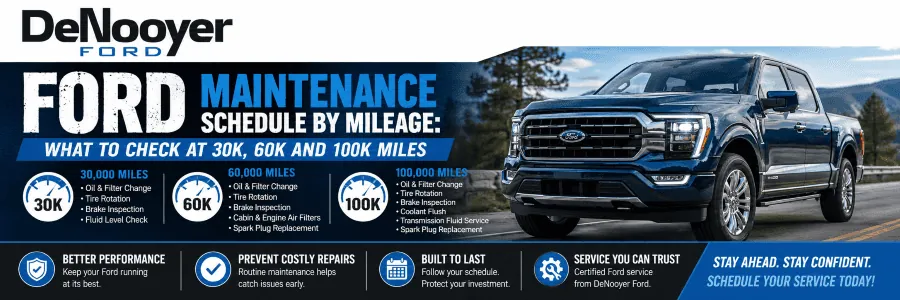
- The video doesn’t provide a specific list of maintenance schedules or approved repair shops to prevent these failures.
- It doesn’t explain how to identify if a specific car has already had these parts replaced by a previous owner.
- The presenter doesn’t offer advice on what to look for during a pre-purchase inspection beyond a test drive.
- There’s no information provided on which specific, alternative vehicle models would be safer or more reliable for a buyer to choose instead.
Related guides
Frequently Asked Questions
Are all of these cars guaranteed to fail?
No. The presenter notes that while these models have a reputation for mechanical and electrical nightmares, some owners may luck out and avoid the worst-case scenarios. However, the presenter emphasizes that the odds are generally not in the owner’s favor. Most people will see maintenance costs stack up quickly, which often destroys any initial value the car had.
Can I fix these issues with a software update?
Not always. For the Jeep Cherokee, the presenter mentions that software patches and recalls were attempted to fix the nine-speed transmission issues. Despite these efforts, many vehicles continued to show the same quirks, such as gear hunting and rough transitions. Because of this, the presenter warns that there’s often no simple or affordable path forward once the transmission starts to act up.
Why do these engines consume so much oil?
The presenter doesn’t define the technical reason for the oil consumption, but notes it’s a notorious flaw for models like the Mini Cooper S and the BMW 5 Series. For the BMW N63 engine, the presenter describes the problem as an infamous issue where the engine runs low on oil quickly. Missing a top-up can lead to serious damage, including destroyed turbochargers or scored cylinder walls.
Is the air suspension on a Range Rover worth the cost?
The air suspension is designed to deliver a cloud-like ride. However, the cost of repair is significant. Replacing one corner of the suspension can cost thousands of dollars.
The presenter suggests that buyers should be very careful when considering these specific models. If you feel you must own one of these vehicles, the best first step is to budget heavily for repairs and perform a very long, thorough test drive to check for any signs of failure. Don’t expect miracles if the car starts to show signs of trouble, as these issues are often deep-seated and expensive to fix. Always be prepared for the possibility of high costs.
